
Tips for Training a Newfoundland Dog:
1. Start by desensitizing them to touch, especially if they are already fully grown.
2. Establish basic commands like sit, stay, come, and down using positive reinforcement.
3. Socialize your Newfoundland by introducing them to various people, animals, and environments.
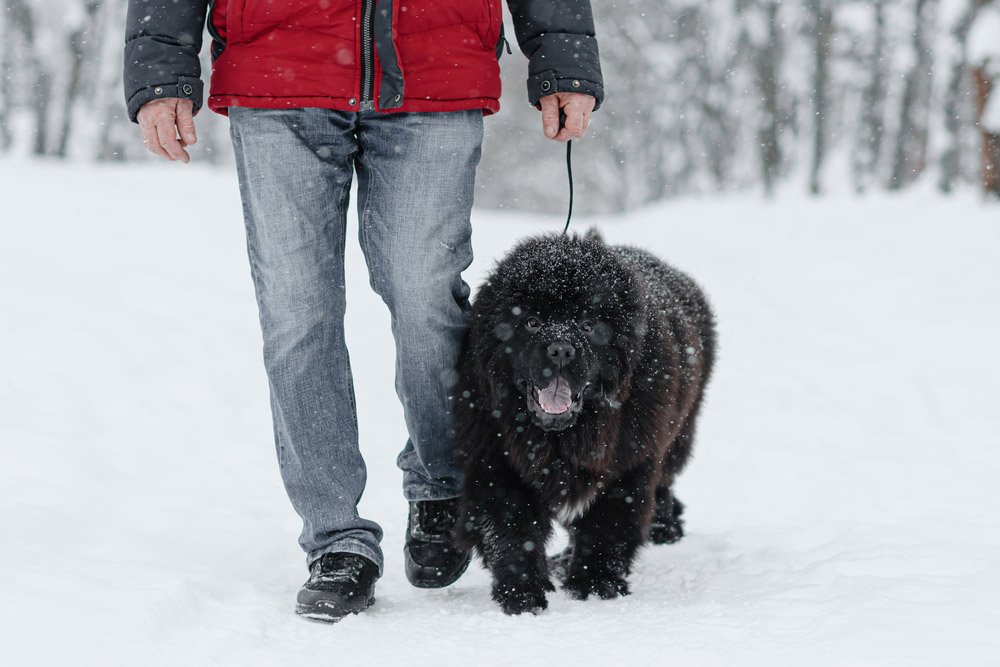
4. Train for loose leash walking to ensure you can control your dog without physical strength.
5. Practice recall commands in a safe, enclosed area using high-value treats as rewards.
6. Teach proper social behavior to prevent jumping, mouthing, or unwanted behaviors.
7. Practice patience and consistency in all training sessions.
8. Provide mental stimulation and exercise before training sessions to help your dog focus.
9. Use a calm and comfortable environment for training, such as an out-of-the-way room or quiet part of the yard.
10. Gather necessary training supplies like treats, a clicker (optional), a leash, and a collar or harness.
11. Ensure the information you are using for training is current and up-to-date according to the latest veterinarian research.
Practice Patience and Consistency
When training Newfoundland dogs, it’s essential to be patient and consistent. These dogs are known for their gentle nature but can be slow learners, especially in distracting environments. Avoid using punishment-based methods and instead focus on short, frequent, and consistent training sessions. It may take several weeks for your dog to learn new tricks, so patience is key in the training process.
8. Introduce Distractions Gradually
As your Newfoundland dog progresses in basic commands, gradually introduce distractions during training sessions. Start with mild distractions and increase the difficulty as your dog learns to ignore them. This helps your dog focus and obey commands even in challenging situations.
9. Keep Training Sessions Fun and Positive
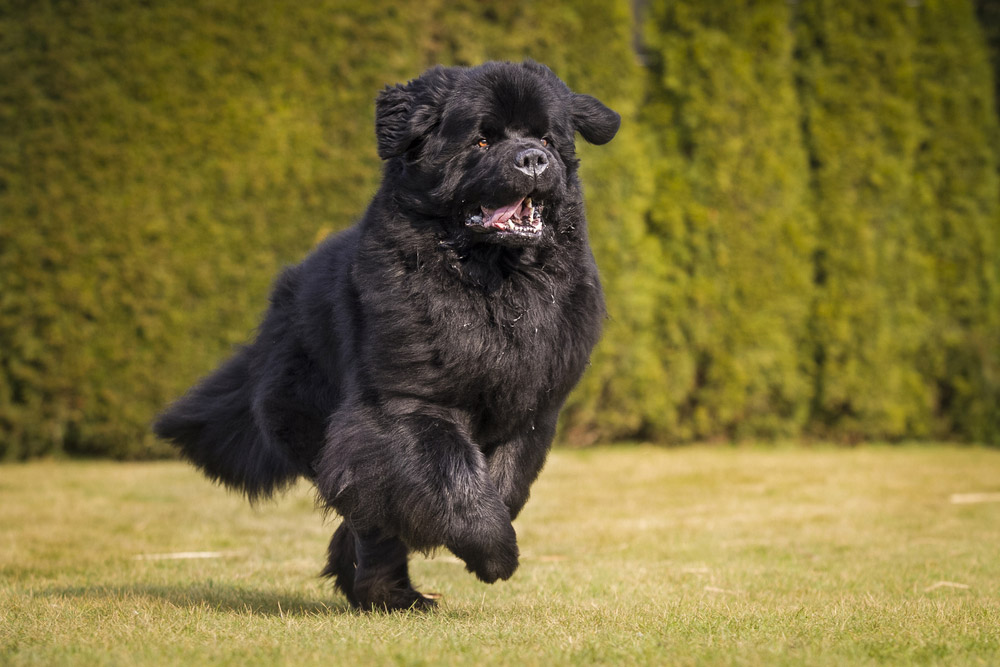
Engage your Newfoundland in enjoyable training sessions by incorporating games, toys, and playtime. Use a positive and enthusiastic tone to show your excitement during training, strengthening the bond between you and your dog. This approach will make your dog anticipate training sessions and accelerate the learning process.
10. Do Advanced Training and Activities
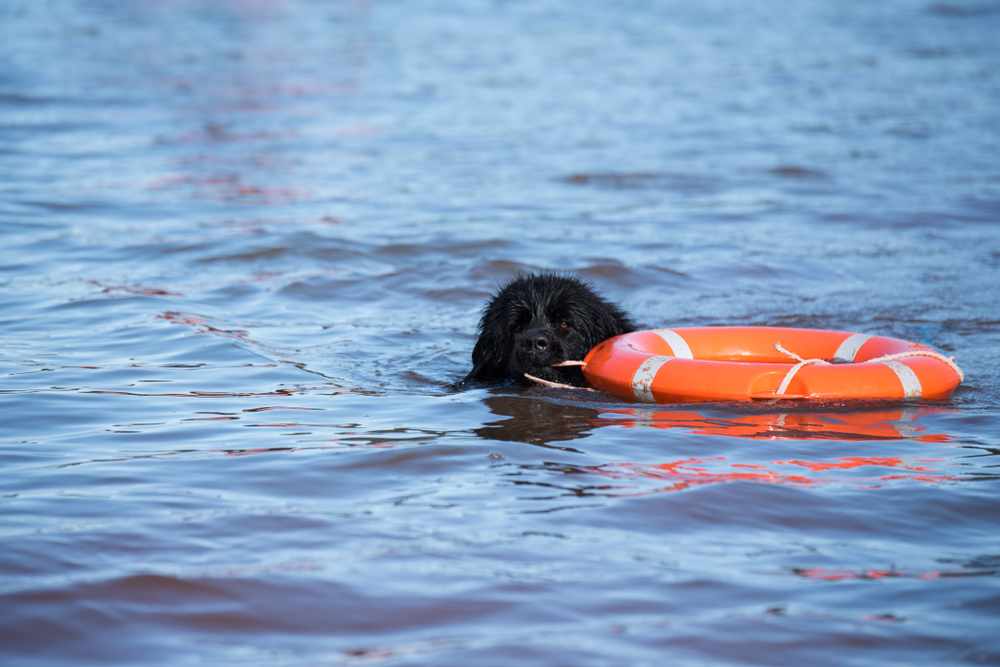
Once your Newfoundland masters the basics and you enhance your training techniques, consider advanced training activities like agility, water rescue, or therapy dog work. These activities provide mental stimulation and help channel your dog’s instincts, leading to better behavior throughout the day.
11. Hire a Professional
If you’re facing challenges in training your Newfoundland or if progress is slow, consider hiring a professional trainer. They can assist in training your dog effectively and provide valuable insights tailored to your pet. Professional trainers have the expertise to address any issues promptly and help you achieve better results at home.

Summary
Training large dogs like Newfoundland breeds is crucial to prevent behavior issues in adulthood. Start early with socialization and obedience training to ensure your dog is well-behaved and safe in various situations. Remember to be patient, consistent, and seek professional help if needed to enhance your training efforts and strengthen the bond with your furry companion.
Featured Image Credit: Anton Pentegov, Shutterstock
The sentence was not provided. Can you please provide the sentence that you would like me to rewrite?