
GLP-1 weight loss can result in significant and rapid changes in body composition. While shedding excess weight may bring about concerns such as loose skin and potential muscle loss, it is essential to focus on rebuilding muscle mass for long-term health and wellness. The rise in skin-tightening and body-sculpting procedures, known as the “Ozempic effect,” underscores the importance of incorporating strength training into a GLP-1 weight loss journey. Fitness entrepreneur and NSCA-certified trainer Megan Davies emphasizes the role of muscle in sustaining metabolism, supporting weight maintenance, and enhancing overall strength and mobility.
Here, we delve into Davies’ insights on approaching fitness goals while using GLP-1 medications, the most effective exercises to consider, strategies for establishing a realistic workout schedule, and essential at-home workout equipment.
Key Fitness Goals to Consider
“When undergoing weight loss through various means, including GLP-1 medications, it is common to experience some degree of muscle loss,” explains Davies. “However, prioritizing regular physical activity, consistent strength training, and a protein-rich diet can help mitigate the muscle loss associated with GLP-1 use.”
Strength training plays a crucial role in preserving and building muscle mass, not only for GLP-1 users but also for individuals of all ages. Davies underscores the significance of incorporating strength-focused exercises as a fundamental aspect of overall well-being, irrespective of weight loss goals.
Effective Exercises for Muscle Building
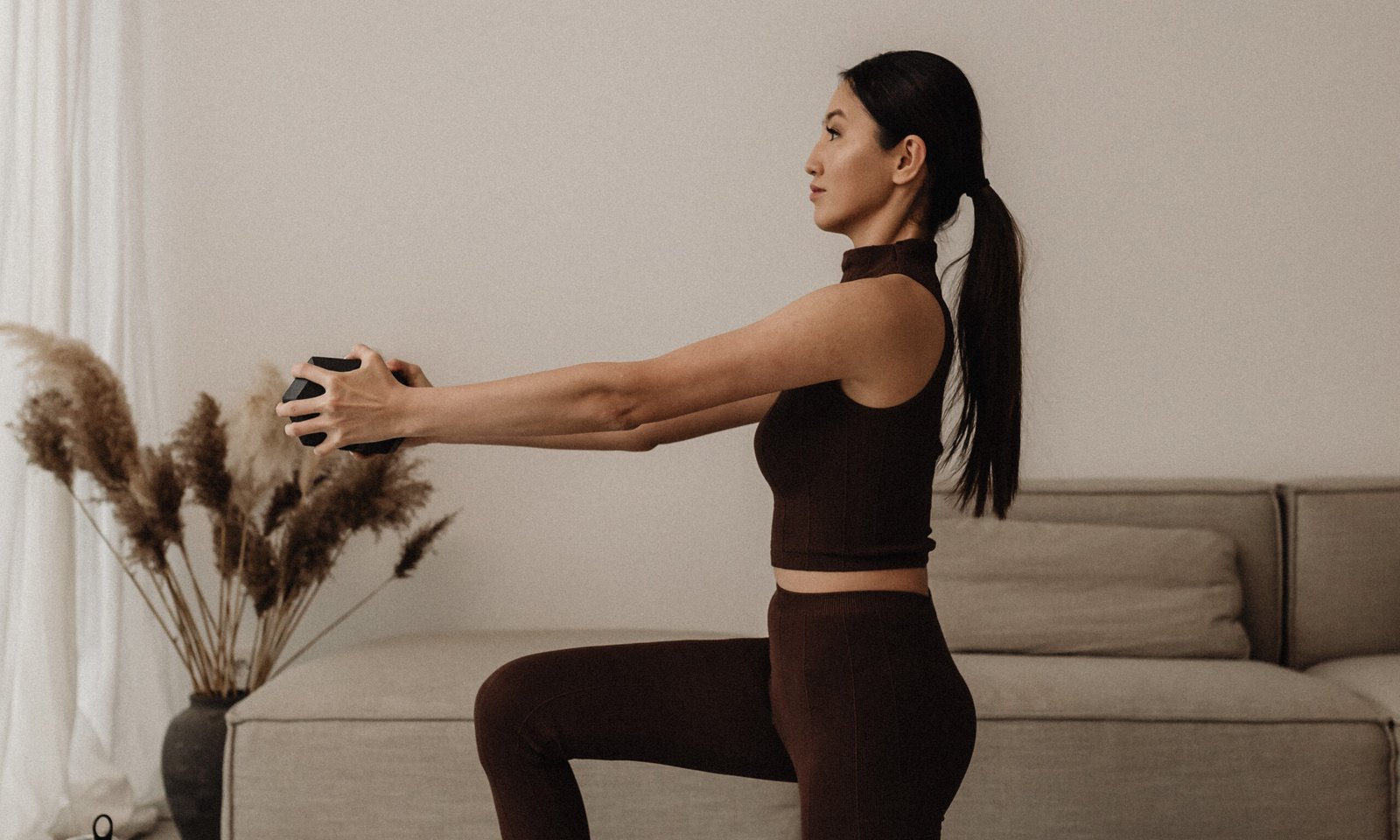
For optimal muscle maintenance and growth, Davies recommends incorporating exercises such as squats, lunges, deadlifts, rows, presses, and carries into your workout routine. These compound movements engage multiple muscle groups simultaneously, aiding in muscle retention and development.
While strength training is vital, Davies also encourages integrating cardio activities like walking, low-intensity cardio, and occasional high-intensity sessions to support cardiovascular health and overall fitness.
Creating a Sustainable Fitness Schedule
Establishing a consistent workout routine can be challenging but crucial for long-term success. Davies suggests starting with two full-body strength training sessions per week, complemented by low-impact cardio and mobility exercises for beginners or those returning to fitness after a hiatus.
As strength and fitness levels improve, gradually increasing workout frequency and intensity can lead to enhanced results. Davies recommends progressing to at least three strength training sessions per week, coupled with a mix of low and high-intensity cardio sessions to optimize physical conditioning.
Adapting the workout schedule to suit individual preferences and lifestyle commitments is key to maintaining consistency and achieving fitness goals over time.
Essential At-Home Exercise Equipment
Contrary to popular belief, elaborate gym setups are not necessary for effective workouts. Davies emphasizes that basic equipment, such as dumbbells, can facilitate significant progress in muscle building. Additionally, incorporating tools like resistance bands, sliders, and ankle weights can add variety and challenge to home workouts.
Having a mix of equipment not only diversifies training options but also enhances workout engagement and enjoyment. Ultimately, consistency and enjoyment in exercise routines are key factors in sustaining long-term fitness progress.