
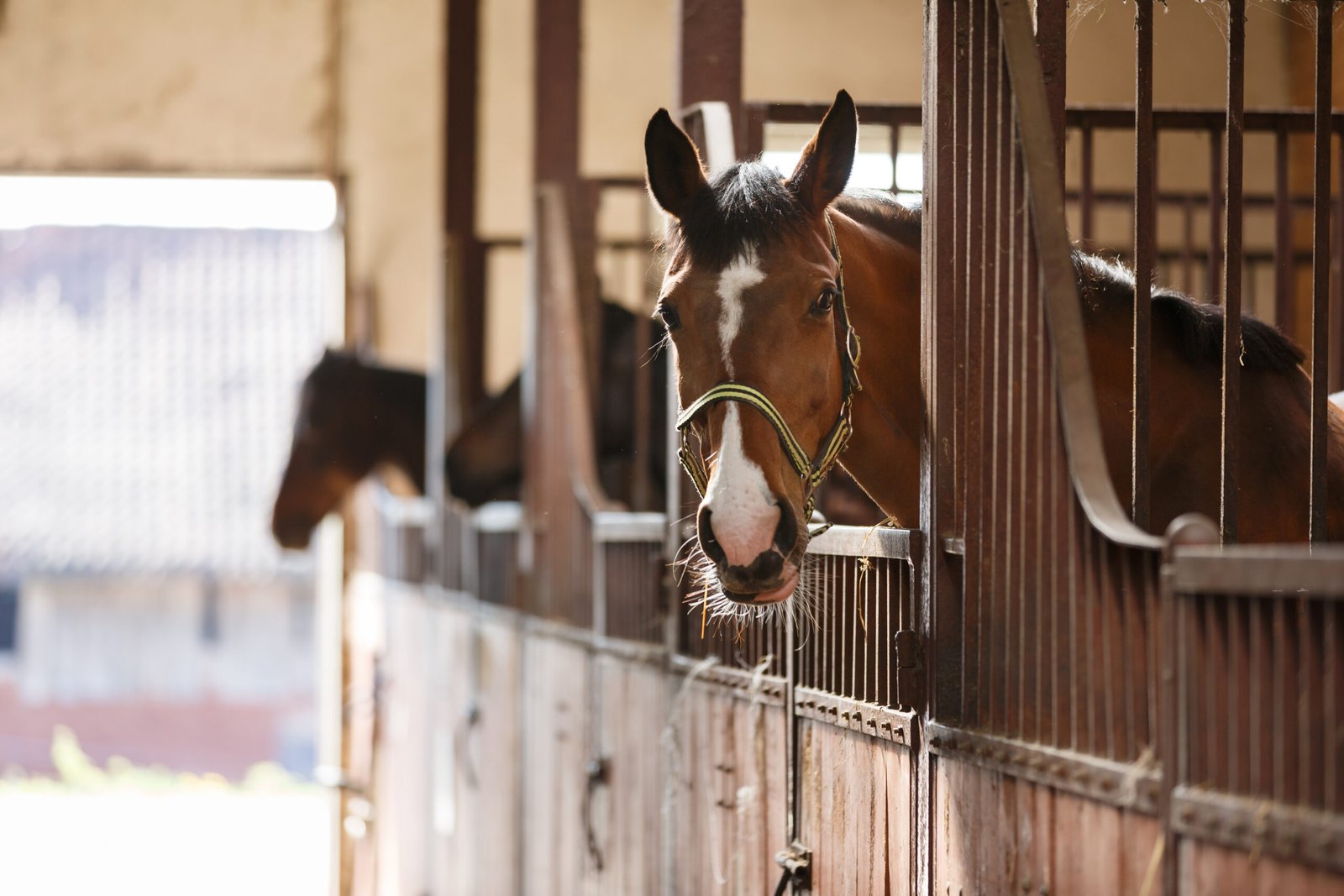

A 4-year-old warmblood gelding recently imported from Austria to Belgium and then to the United States has tested positive for equine influenza. Upon arrival at John F. Kennedy International Airport in New York on Jan. 13, the horse was quarantined until Jan. 16.
After being transported to a private barn in Maryland on Jan. 17, the horse was moved to a boarding facility in Frederick County where he showed symptoms of fever, cough, and nasal discharge. Veterinary care was administered on Jan. 19, and the horse was subsequently transferred to a referral hospital in Virginia for further evaluation and treatment. He is currently recovering in an isolation facility.
EDCC Health Watch is a program by Equine Network that uses information from the Equine Disease Communication Center (EDCC) to create and share verified equine disease reports. The EDCC is a nonprofit organization funded by industry donations to provide accessible infectious disease information.
About Equine Influenza
Equine influenza is a highly contagious respiratory disease affecting horses, ponies, and other equids like donkeys and zebras. The virus spreads through saliva and respiratory secretions, commonly through horse-to-horse contact, aerosol transmission, and contact with contaminated items.
Symptoms of equine influenza include high fever, cough, depression, weakness, nasal discharge, and enlarged lymph nodes. Monitoring your horse’s health at shows by checking temperature daily can help detect infection early. Vaccination is crucial for protection, with US Equestrian mandating proof of vaccination within six months for competitions.
Implementing strict biosecurity measures such as quarantining new arrivals, disinfecting equipment, and preventing nose-to-nose contact can help prevent disease transmission.