Close Menu
  • DIY Projects
  • Home Decor
  • Beauty Products
  • Pets Training
  • Interior Design
  • Pets
  • Pet Care Tips
What's Hot

BC SPCA is now accepting pictures for its annual calendar contest – Castanet

February 5, 2026

Houston Super Sort Returns with 3 Days of Ranch Sorting Action and $25K Added

February 5, 2026

Big Girl Room with Floral Wallpaper

February 5, 2026
Facebook X (Twitter) Instagram
  • Contact
  • Privacy policy
  • Terms & Conditions
Facebook X (Twitter) Instagram Pinterest VKontakte
  • DIY Projects
  • Home Decor
  • Beauty Products
  • Pets Training
  • Interior Design
  • Pets
  • Pet Care Tips
Home»Pets Training»Illinois Horse Tests Positive for EHV-1
Pets Training

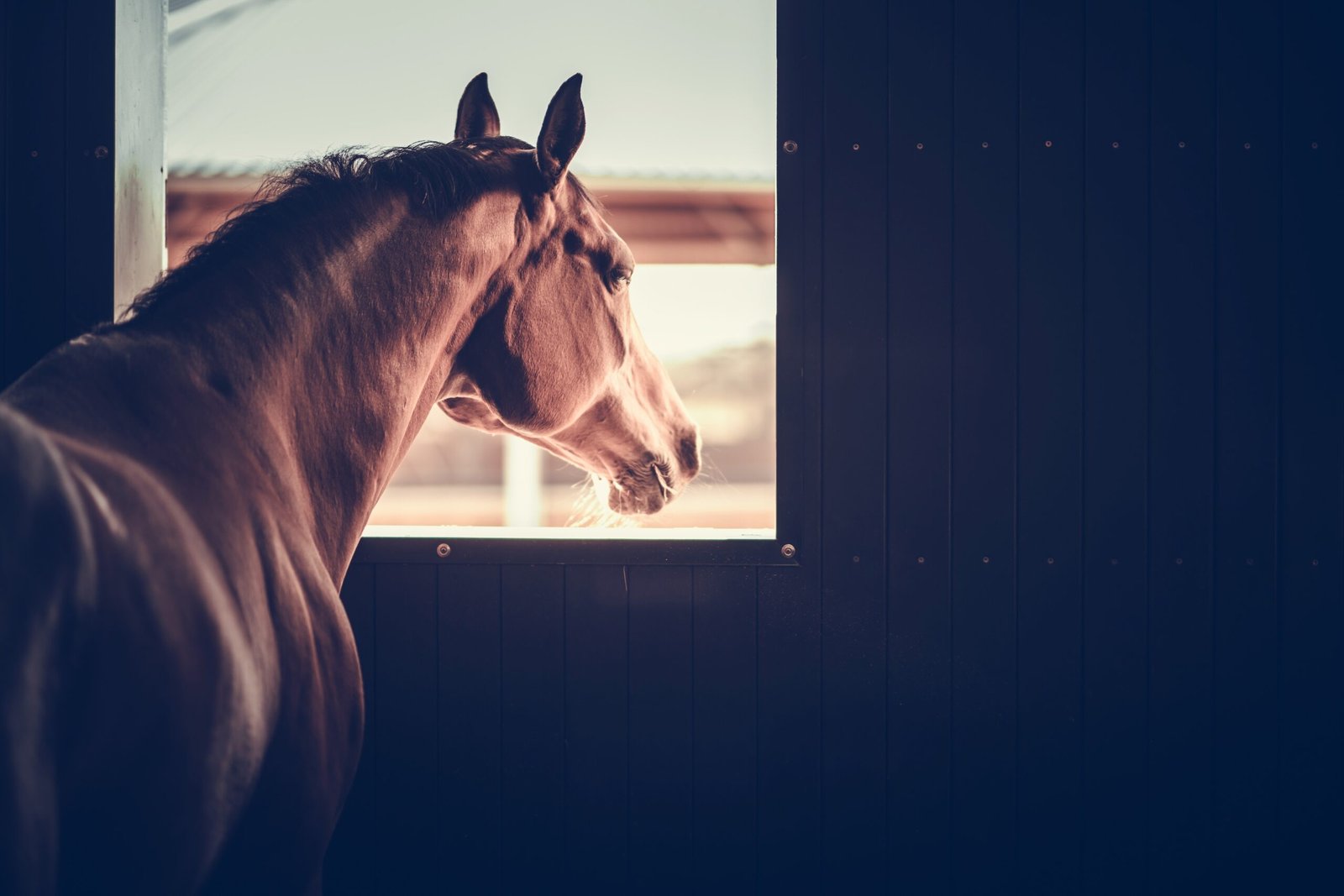
Illinois Horse Tests Positive for EHV-1

February 5, 2026No Comments2 Mins Read
Facebook Twitter Pinterest LinkedIn Tumblr Email
Share
Facebook Twitter LinkedIn Pinterest Email

A case of equine herpesvirus-1 (EHV-1) has been confirmed in a horse in Saline County, Illinois. The affected horse received treatment at a veterinary hospital and showed improvement within 24 hours with supportive care. Following its recovery, the horse has left the hospital, and no other horses were exposed during its stay.

EDCC Health Watch, a program by Equine Network, shares verified equine disease reports sourced from the Equine Disease Communication Center (EDCC). The EDCC is a nonprofit organization that relies on industry donations to provide accessible information on infectious diseases.

Understanding EHV-1

Equine herpesvirus is highly contagious and can lead to various health issues in horses, including respiratory diseases, abortion in pregnant mares, and equine herpes myeloencephalopathy (EHM).

Initial signs of EHV-1 often include fever, which may go unnoticed. Other symptoms in young horses can include coughing, reduced appetite, lethargy, and nasal discharge. Pregnant mares may not show signs before abortion, which typically occurs late in gestation but can happen earlier. Neurological signs in horses with EHM include incoordination, limb weakness or paralysis, urinary issues, tail tone loss, and difficulty rising.

The virus spreads through close contact with infected horses, shared equipment, or contact with contaminated items. Biosecurity measures, such as proper hygiene and disinfection, are crucial in preventing disease transmission. While vaccines can reduce viral shedding, they do not protect against the neurological form of EHV-1. Disease prevention through biosecurity practices remains the most effective control method.

EHV1 Horse Illinois Positive Tests
Share. Facebook Twitter Pinterest LinkedIn Tumblr Email

Related Posts

Ontario Draft Horse Tests Positive for Strangles

February 4, 2026

4 Quarter Horses Test Positive for EIA in Colorado

February 3, 2026

Ontario Foal Tests Positive for Strangles

February 3, 2026

Paying Attention to your Horse with Jim Masterson

February 2, 2026
Add A Comment
Leave A Reply Cancel Reply

Editors Picks

BC SPCA is now accepting pictures for its annual calendar contest – Castanet

February 5, 2026

Houston Super Sort Returns with 3 Days of Ranch Sorting Action and $25K Added

February 5, 2026

Big Girl Room with Floral Wallpaper

February 5, 2026

NewBeauty Editors Reveal Their One True Love Beauty Products

February 5, 2026
Top Post

The Design Trend Everyone Is Talking About…”Color Drenching” Or As We Like To Call it – Grown-Up Color Blocking

The Best Beauty Products on Amazon in September

Home Decor Inspired By The 70s

Facebook X (Twitter) Instagram Pinterest Vimeo YouTube
  • Contact
  • Privacy policy
  • Terms & Conditions
© 2026 Doorpicker.com - All rights reserved.

Type above and press Enter to search. Press Esc to cancel.