Close Menu
  • DIY Projects
  • Home Decor
  • Beauty Products
  • Pets Training
  • Interior Design
  • Pets
  • Pet Care Tips
What's Hot

The Story of Rex: The "First Dog" to President Ronald Reagan – A-Z Animals

April 15, 2026

After a Brain Lesion Nearly Ended His Career, Lee Francois Returns to NCHA’s Biggest Stage

April 15, 2026

From Brain Lesion to NCHA Champion

April 14, 2026
Facebook X (Twitter) Instagram
  • Contact
  • Privacy policy
  • Terms & Conditions
Facebook X (Twitter) Instagram Pinterest VKontakte
  • DIY Projects
  • Home Decor
  • Beauty Products
  • Pets Training
  • Interior Design
  • Pets
  • Pet Care Tips
Home»Pets Training»EHV-1 Case Under Investigation in Montana
Pets Training

EHV-1 Case Under Investigation in Montana

February 11, 2026No Comments2 Mins Read
Facebook Twitter Pinterest LinkedIn Tumblr Email
Share
Facebook Twitter LinkedIn Pinterest Email

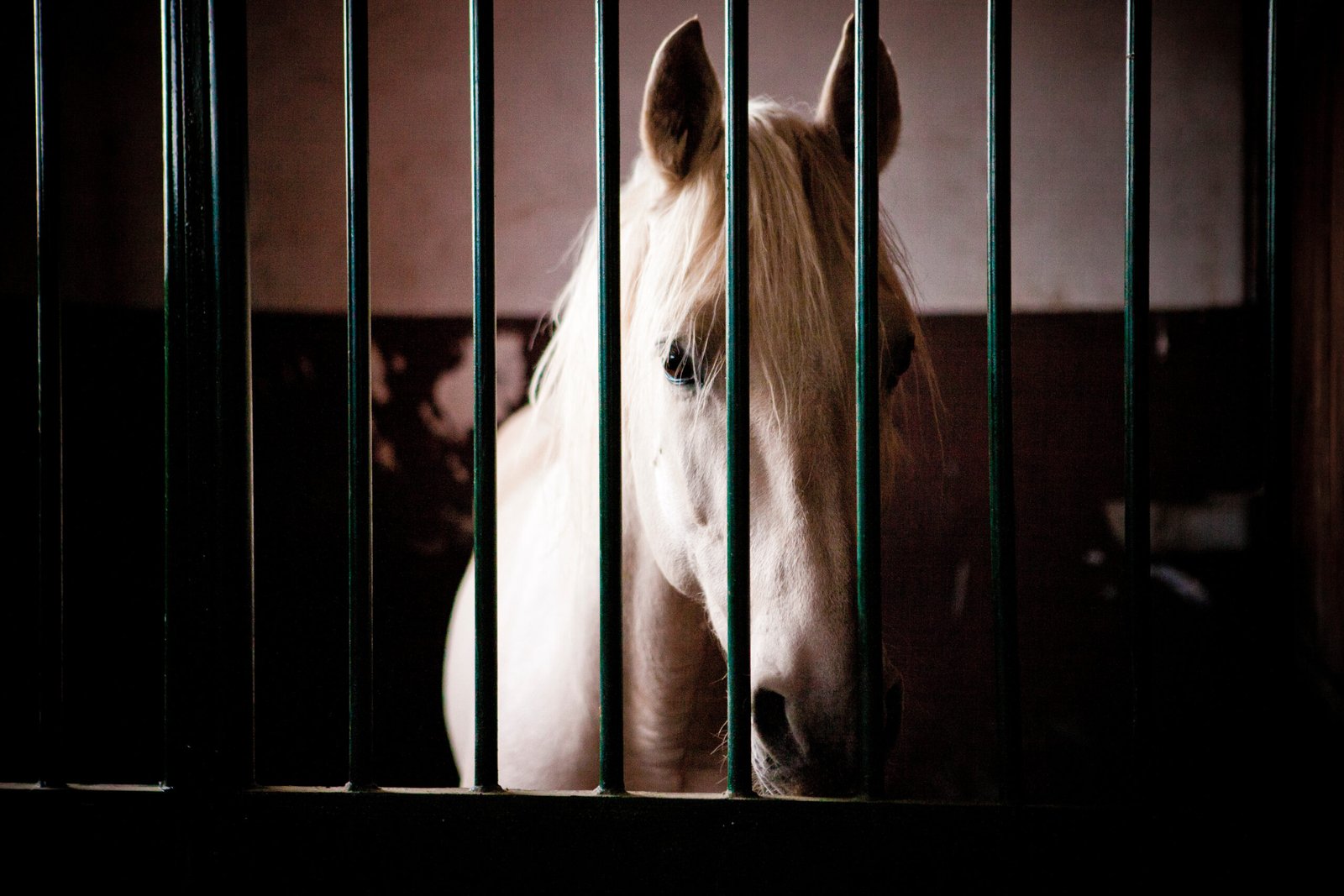
Recently, a horse in Silver Bow County tested positive for equine herpesvirus-1 (EHV-1), with 50 other horses being exposed to the virus. The Montana Department of Livestock is currently investigating this case.

EDCC Health Watch, a program by Equine Network, utilizes information from the Equine Disease Communication Center (EDCC) to provide verified equine disease reports. The EDCC is a nonprofit organization supported by industry donations, offering open access to infectious disease information.

Understanding EHV-1

Equine herpesvirus (EHV) is highly contagious among horses and can lead to various health issues, including respiratory diseases, abortion in broodmares, and Equine Herpesvirus Myeloencephalopathy (EHM).

EHV-1 infection in horses often presents with a fever as the primary symptom, which can go unnoticed. Other signs in young horses may include cough, decreased appetite, depression, and nasal discharge. Pregnant mares may not show signs before experiencing late-term abortions, occurring anywhere from two weeks to several months after infection.

Horses with EHM exhibit fever initially, followed by neurological symptoms like incoordination, weakness or paralysis of limbs, urine retention, loss of tail tone, and recumbency. The virus spreads through close contact with infected horses, contaminated equipment, or contact with individuals who have been in contact with infected horses. Implementing biosecurity measures is crucial for disease prevention.

Vaccines for EHV-1 may reduce viral shedding but do not protect against the neurological form of the disease. Therefore, focusing on routine biosecurity practices is key to minimizing viral spread and preventing outbreaks.

Case EHV1 Investigation Montana
Share. Facebook Twitter Pinterest LinkedIn Tumblr Email

Related Posts

From Brain Lesion to NCHA Champion

April 14, 2026

‘Lioness’ Actor, NCHA’s Holly Francois Win Celebrity Cutting

April 13, 2026

3 Tips for Transitioning a Cutting Horse to Ranch Sorting with Kody Ward 

April 11, 2026

Who Made the 2026 NRCHA Stallion Stakes Open Derby Finals? Full List of Finalists

April 10, 2026
Add A Comment
Leave A Reply Cancel Reply

Editors Picks

The Story of Rex: The "First Dog" to President Ronald Reagan – A-Z Animals

April 15, 2026

After a Brain Lesion Nearly Ended His Career, Lee Francois Returns to NCHA’s Biggest Stage

April 15, 2026

From Brain Lesion to NCHA Champion

April 14, 2026

Cutest Pet: Oliver & Riley – yourerie.com

April 14, 2026
Top Post

Fluffy Friends’ Fables: Adorable Pet Tales

Critics Deemed Them “The Most Miraculous Works of Modern Art America Has Produced” – So Why Aren’t The Artists a Household Name?

Interior Design Ideas For Creating A Rustic Cabin Feel

Facebook X (Twitter) Instagram Pinterest Vimeo YouTube
  • Contact
  • Privacy policy
  • Terms & Conditions
© 2026 Doorpicker.com - All rights reserved.

Type above and press Enter to search. Press Esc to cancel.