
Understanding Why Your Dog is Leaking Urine While Sleeping
A wet spot on your dog’s bed isn’t just a house training accident. When dogs leak urine while lying down or sleeping, it’s a sign of a medical issue that needs immediate attention. Waiting to see if it resolves on its own is not the right approach.
While random dribbles can happen with untrained puppies and senior dogs, consistent urination during rest indicates an underlying condition that requires veterinary intervention. Some causes can be effectively treated, while others may point to serious problems like bladder obstructions or neurological damage that could be fatal if left untreated.
It’s important to understand that your dog is not choosing to pee in their sleep. Their body is failing them in some way, and they need help.
What Your Vet Will Do
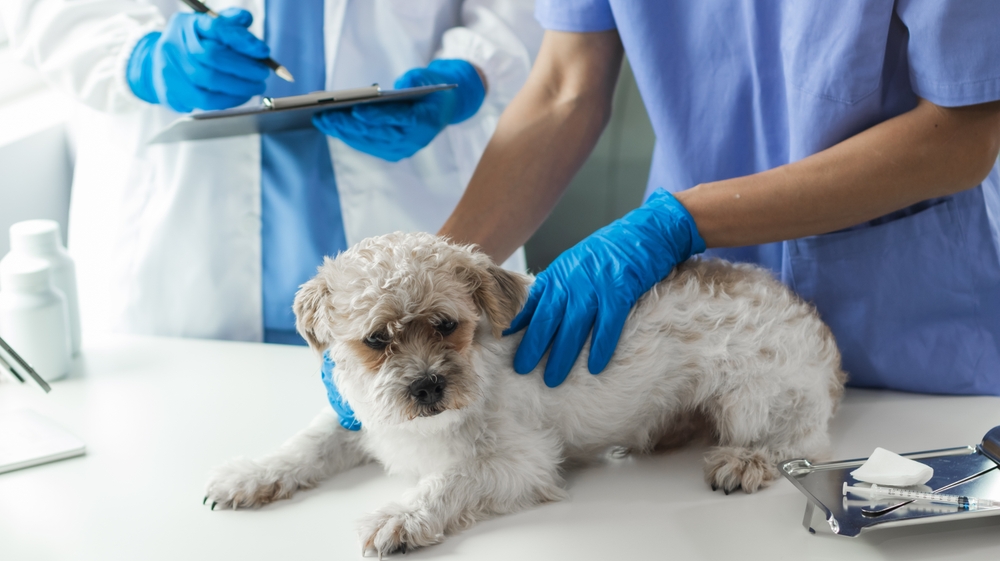
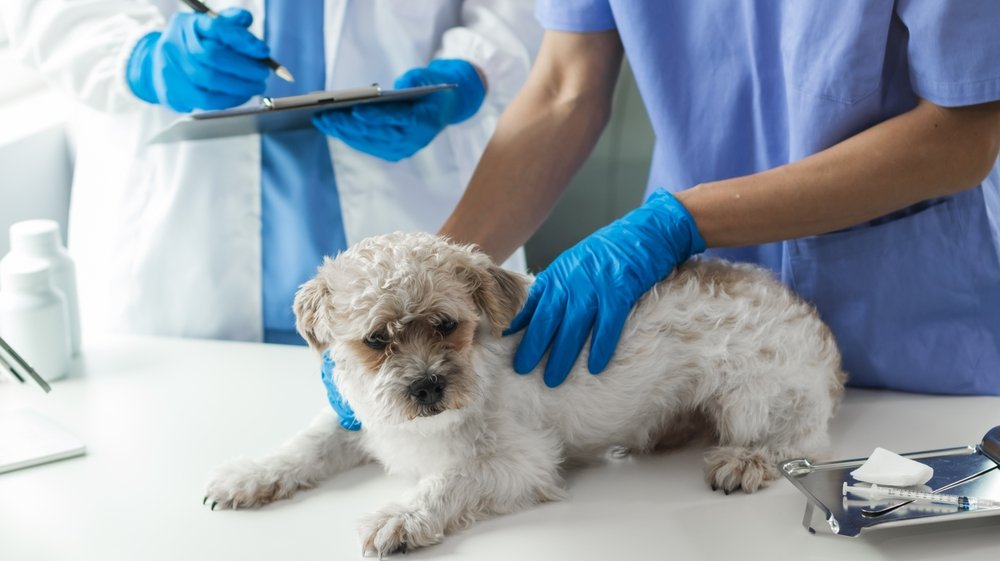
Upon visiting your veterinarian, they will conduct a thorough physical examination and run a urinalysis to check for infections. Blood tests may be done to rule out conditions like Cushing’s disease or diabetes. Depending on the findings, X-rays or ultrasounds may be ordered to further investigate the issue.
It’s helpful to provide your vet with information on when the leakage started, how frequently it occurs, and any other symptoms you have observed.
The Six Possible Causes Behind the Leaking
1. Bladder Obstructions: Blockages from stones, tumors, blood clots, or urethral plugs are serious and require immediate attention. Partial blockages can present symptoms such as urinating in small amounts, straining, unusual accidents, dribbling urine, or blood in the urine. Treatment may involve surgery, specialized diets, or other procedures.
2. Anatomic Abnormalities: Birth defects, injuries, or surgical complications can affect bladder function. Ectopic ureters in younger dogs are a common cause. These abnormal ureters redirect urine to the wrong places, leading to leakage. Treatment may involve medication or surgery.
3. Neurological Issues: Damage to the spinal cord or brain can impact bladder control, resulting in leakage during rest. Diagnostic tests are needed to identify these conditions, which may lead to permanent incontinence or require ongoing treatment.
4. Urethral Sphincter Mechanism Incontinence (USMI): Commonly seen in spayed females, USMI occurs due to weakened urethral sphincter muscles. Hormone replacement therapy can be effective in many cases.
5. Urinary Tract Infections (UTIs): Infections can lead to leakage and are usually treated with antibiotics. Symptoms may include blood in urine, frequent licking, and foul-smelling urine.
6. High Anxiety: Stress and anxiety can cause dogs to hold urine for extended periods, leading to leakage. Treatment involves addressing the underlying anxiety triggers.
Living With an Incontinent Dog
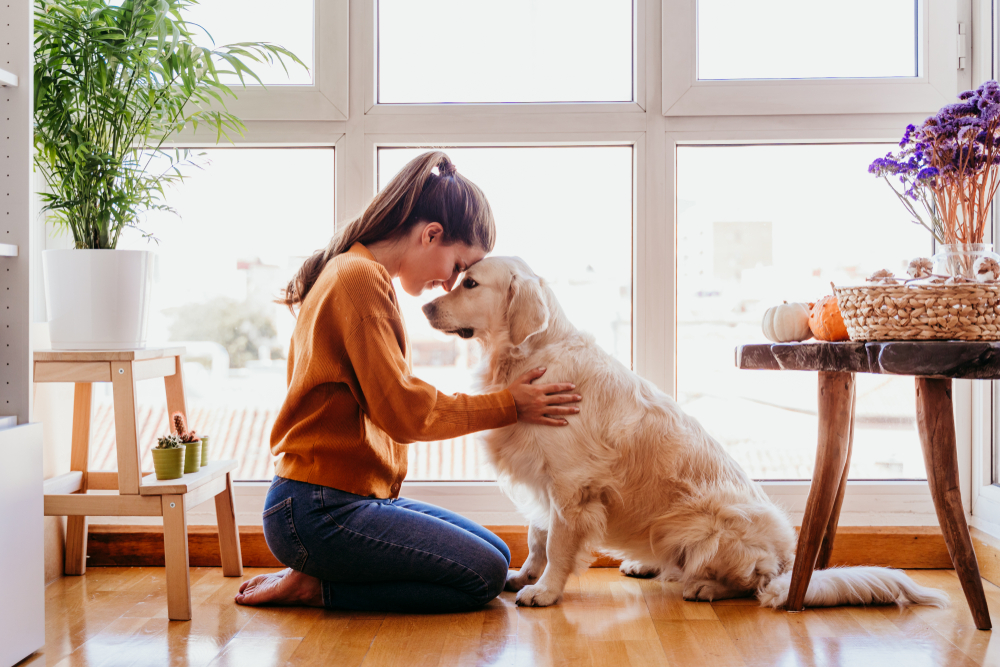
While your dog is undergoing treatment, make adjustments at home to ensure their comfort. Take them out more frequently, use absorbent pads, and consider a waterproof bed. Diapers can be used temporarily, but monitor for any signs of irritation.
Ensure thorough cleaning to prevent skin irritation from prolonged contact with urine. Keep a close eye on your dog’s symptoms and report any changes to your vet promptly.
Conclusion
Dogs that leak urine while lying down require immediate veterinary attention. Early diagnosis is crucial for successful treatment and a full recovery. Don’t ignore that wet spot on the bed – it’s a signal from your dog’s body that something is wrong, and swift action can make a significant difference in their health and well-being.
Feature Image Credit: cunaplus, Shutterstock
Did You Know?
- Stay up to date with our latest posts by signing up for our newsletter!