Close Menu
  • DIY Projects
  • Home Decor
  • Beauty Products
  • Pets Training
  • Interior Design
  • Pets
  • Pet Care Tips
What's Hot

Take A Tour Through This Calm, Neutral Home To Get Some GOOD Inspo (Accent Walls Included)

February 25, 2026

Is the New GLP-1 Pill Better Than Injections?

February 25, 2026

2 Virginia Horses Test Positive for EHV-1

February 25, 2026
Facebook X (Twitter) Instagram
  • Contact
  • Privacy policy
  • Terms & Conditions
Facebook X (Twitter) Instagram Pinterest VKontakte
  • DIY Projects
  • Home Decor
  • Beauty Products
  • Pets Training
  • Interior Design
  • Pets
  • Pet Care Tips
Home»Pets Training»2 Virginia Horses Test Positive for EHV-1
Pets Training

2 Virginia Horses Test Positive for EHV-1

February 25, 2026No Comments2 Mins Read
Facebook Twitter Pinterest LinkedIn Tumblr Email
Share
Facebook Twitter LinkedIn Pinterest Email

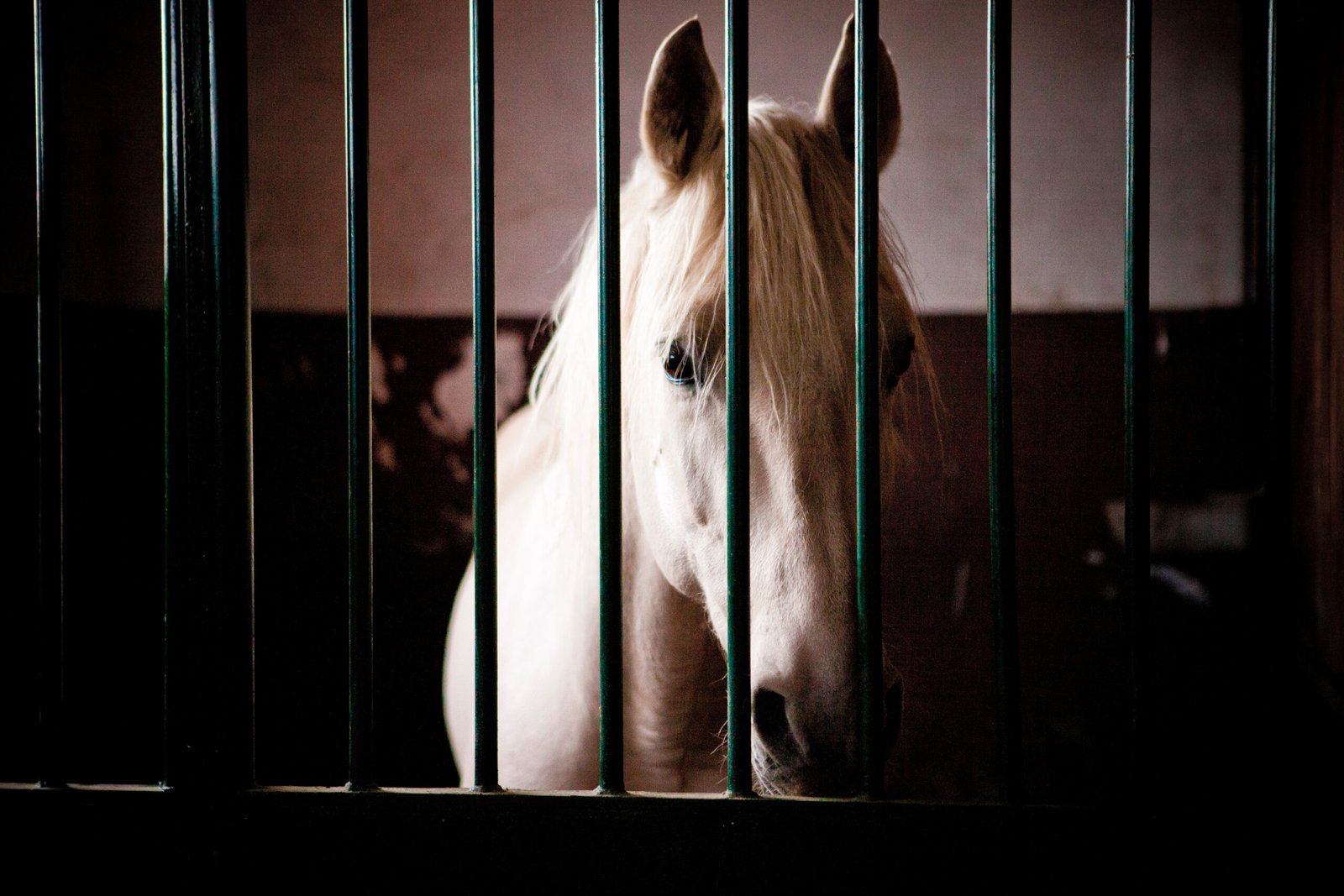
Two horses in Louisa County, Virginia, have recently been diagnosed with equine herpesvirus-1 (EHV-1). The first horse exhibited neurological symptoms, became recumbent, and unfortunately had to be euthanized. Another horse on the same property has tested positive for EHV-1, showing a fever but no neurological signs at this time.

EDCC Health Watch is a program by the Equine Network that uses information from the Equine Disease Communication Center (EDCC) to create and share verified reports on equine diseases. The EDCC is a nonprofit organization supported by industry donations to provide accessible information on infectious diseases.

Understanding EHV-1

Equine herpesvirus (EHV) is highly contagious among horses and can lead to various conditions such as respiratory issues, abortion in pregnant mares, and equine herpesvirus myeloencephalopathy (EHM).

EHV-1 infection in horses often presents with fever as the primary symptom, which can easily go unnoticed. Other common signs in young horses include coughing, reduced appetite, lethargy, and nasal discharge. Pregnant mares may not show any signs before experiencing late-term abortions, typically around eight months into gestation. Abortions can occur within weeks to months following EHV-1 infection.

Horses with EHM initially exhibit fever and respiratory signs, followed by neurologic symptoms like incoordination, limb weakness or paralysis, urinary issues, tail muscle tone loss, and recumbency.

The virus spreads through close contact with infected horses, contaminated equipment, or items that have been in contact with infected individuals. Practicing biosecurity measures such as hygiene and disinfection protocols can help prevent disease transmission.

While current EHV-1 vaccines may reduce viral shedding, they do not offer protection against the neurologic form of the disease. Prioritizing biosecurity practices is crucial for minimizing viral spread, with disease prevention being the most effective control strategy.

EHV1 Horses Positive Test Virginia
Share. Facebook Twitter Pinterest LinkedIn Tumblr Email

Related Posts

3 Wyoming Horses Contract Equine Influenza

February 24, 2026

$15K San Antonio Stock Show & Rodeo Ranch Sorting Results

February 23, 2026

Colorado Quarter Horse Tests Positive for EIA

February 20, 2026

Results: Inaugural Dixie National Super Sort

February 19, 2026
Add A Comment
Leave A Reply Cancel Reply

Editors Picks

Take A Tour Through This Calm, Neutral Home To Get Some GOOD Inspo (Accent Walls Included)

February 25, 2026

Is the New GLP-1 Pill Better Than Injections?

February 25, 2026

2 Virginia Horses Test Positive for EHV-1

February 25, 2026

Cavapoo Puppy's Cute Little Skip After Getting a Treat Is Cartoon-Worthy – AOL.com

February 25, 2026
Top Post

Interior Design Tips For Creating An Art Studio

Professional Beauty Products: Salon Quality At Home

Home Decor For An Eclectic Look

Facebook X (Twitter) Instagram Pinterest Vimeo YouTube
  • Contact
  • Privacy policy
  • Terms & Conditions
© 2026 Doorpicker.com - All rights reserved.

Type above and press Enter to search. Press Esc to cancel.