
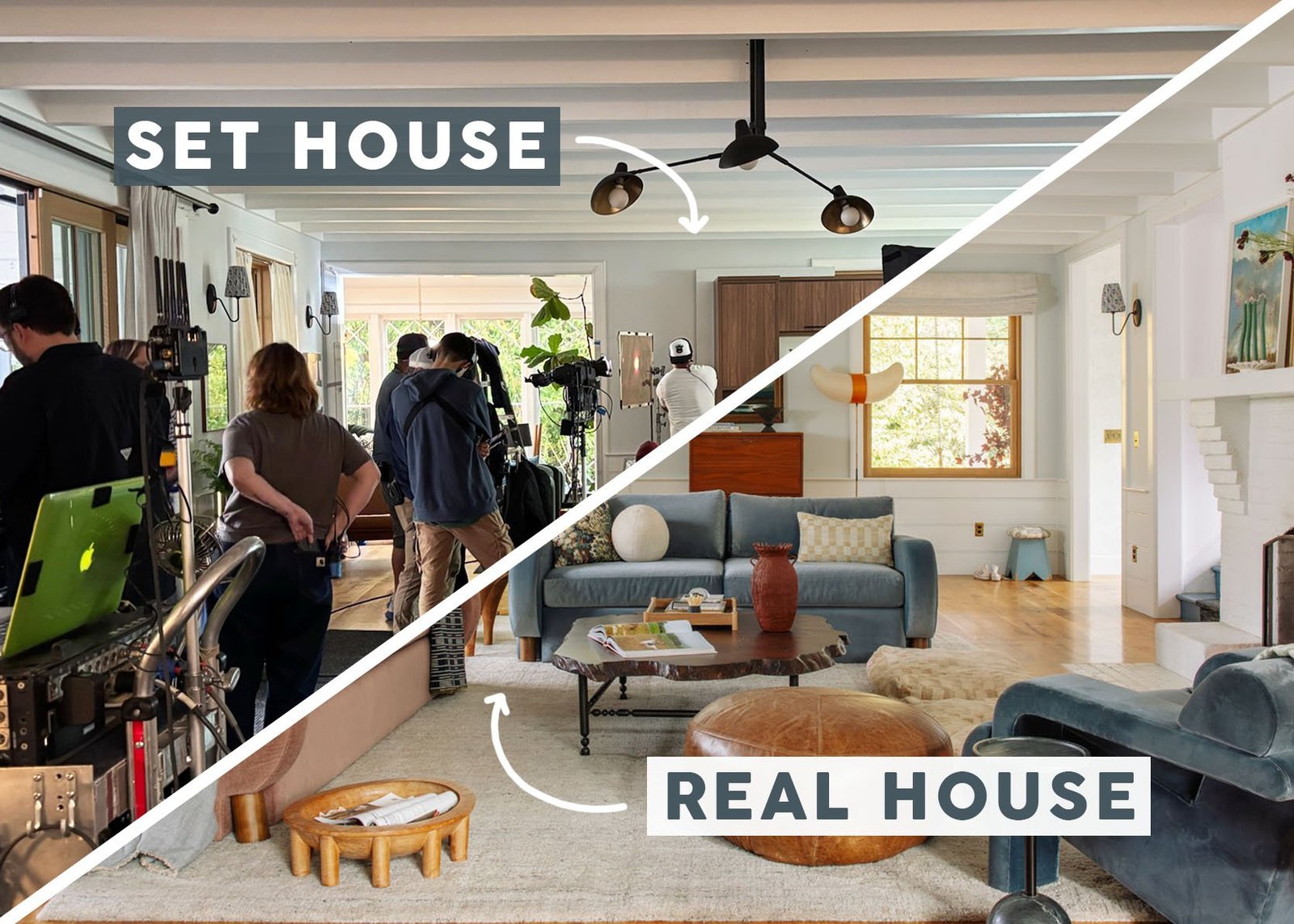
Allowing over 100 strangers to take over your house for multiple days may seem unconventional. However, as the owner of a location house used for photo shoots, this experience is not new to me. I have designed my house to be a revenue stream for such opportunities, so I am always excited when I receive these requests. In this article, I will share with you the process of renting your house as a location for photo shoots.
A few months ago, a client of mine, California Closets, approached me to use my house as a set for a photo and video campaign. Unlike other shoots where I am involved, this time they wanted the house to be the background for their vision, with me staying out of the picture. This type of arrangement may not be suitable for everyone, but after years of working in production, I am comfortable with it. While my family may not enjoy the disruption, they understand the nature of my job, and we have adapted to it over the years.
How Does It Work? How Do You Get Into This?
Becoming a location house is not an easy process, especially outside of major production hubs like LA. Production companies look for houses with the right architecture, amenities, and decor to fit their story without major modifications. Additionally, having a knowledgeable on-site person is essential during the shoot to address any questions or issues that may arise.
- Having the right architecture and design to suit the production’s needs.
- Providing production-friendly amenities such as ample parking and high ceilings.
- Owning unique furniture and decor that can enhance the set.
While my house is known in the industry, getting on the list of location houses can be challenging. I prefer to rent out the house when my kids are not around, and we have had successful experiences with it. The rental rates are negotiated based on the size and duration of the shoot, as well as the extent to which my family needs to be away during the production.
Do You Have To Be There During The Shoot?
Yes, someone familiar with the house needs to be nearby or on-site during the shoot to address any issues promptly.
Can You Sleep At The House?
Depending on the shoot, you may or may not be able to stay at the house. For larger productions, it is common for homeowners to stay elsewhere while the shoot takes place.
How Much Can You Charge?
The rental rates for a location house vary based on the scale of the production and the services required. Negotiations are done on a case-by-case basis to ensure that all parties are satisfied with the arrangement.
Determining the level of disruption and the financial worth of renting out your house for photo or film shoots depends on the size and scale of the production. In Los Angeles, small photo crews typically charge $1-2k a day, while big budget film production companies can charge 10k+ a day for a large, fancy house. The difference in pricing is due to the greater number of people and equipment needed for film shoots compared to photo shoots.
For film shoots, massive grip trucks, semi-trucks full of furniture and props, generators, and a large art department are required, leading to longer shoot days and more wear and tear on the property. While renting out your house can be financially rewarding, it also comes with risks of damage and disruption to your family’s routine. However, for some homeowners, the financial benefit and the opportunity to showcase their home to a wider audience outweigh the challenges.
It’s important to be prepared for potential damage, as it is common in these situations. Production companies typically cover the cost of any damage, but it’s essential to hide or remove any valuable or fragile items before the shoot. Additionally, production crews take precautions to protect the property, such as using protective boards and floor coverings.
While production companies strive to put everything back as it was before the shoot, some minor adjustments may be necessary. Homeowners should lower their expectations and be prepared for slight changes in their home’s appearance after the shoot. Insurance and permits are typically handled by the production company, so homeowners do not need to worry about these details. The liability insurance for the production company covers all risks, not us (although Brian and I have an umbrella policy just in case).
Is it worth it? For the right price, almost anything is worth it, but it can be disruptive to your daily routine. Setting boundaries is essential, such as not allowing anyone in until a certain time. We plan to hire a location person in the future to manage such situations. Working with respectful production companies has made the experience worthwhile.
Here are some behind-the-scenes images from the California Closet campaign. The family room was turned into a “video village” for the client and agency to oversee production. The back porch was used for prop staging.
Our bedroom was transformed into a den, using our own sofa. They also turned our living room into a mudroom and bedroom. Many have mistaken the set for our actual house due to the similarities in paneling and architecture.
They built a pantry inspired by our own pantry. Seeing the product in action was an absolute blast, and I must say, it is truly amazing. The commercial spots featuring the product are all over TV in California, which adds to the excitement. The concept behind the product is refreshingly different from the standard “functional closet” tour, and I am loving the results. The emphasis on showcasing the lack of mess rather than just the organized items really resonates with me.
Our house, along with our adorable dogs, was featured on the Velux Instagram page recently. It was a smaller shoot, and Gretchen stayed with the dogs while the shoot took place. Since Velux is a valued long-term client, I allowed them to use the dogs for free in exchange for staying at the house. It was a win-win situation.
For those curious about how I handle magazine shoots, collaborations with my own product lines, and partnerships with other brands, here are some insights. Magazine shoots typically have limited budgets, so I usually don’t charge for my time or resources. However, for shoots involving my own product lines, I may charge a discounted rate to cover any disruptions. When it comes to partner shoots, I prefer to keep things in-house with my team, but if partners want to shoot on location, it’s all laid out in the contract. Overall, I strive to maintain positive relationships with partners while still ensuring fair compensation for full house takeovers.
If you’re interested in learning more about the behind-the-scenes of my business, head over to my Substack and subscribe for exclusive content. I’m enjoying sharing personal insights with you all and would love to hear any questions or feedback in the comments. following sentence:
The cat is sitting on the windowsill.
The cat is perched on the windowsill. given sentence: The quick brown fox jumps over the lazy dog.
Revised sentence: The fast brown fox leaps over the lethargic dog.