
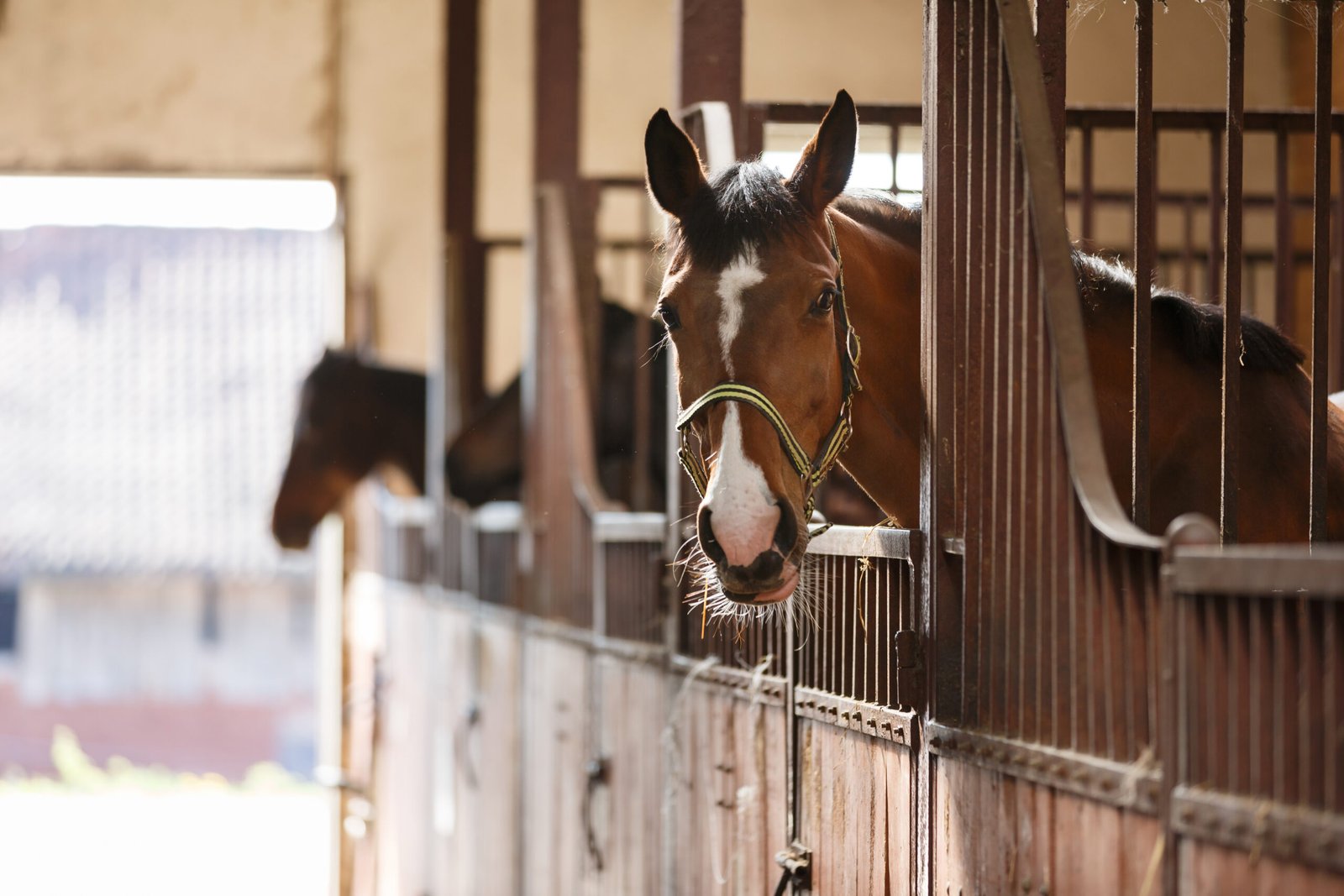

On Feb. 25, a 5-year-old Standardbred gelding in Ashtabula County, Ohio, was diagnosed with equine herpesvirus-1 (EHV-1) after showing signs of ataxia. The horse is currently recovering, and 11 other horses have been exposed to the virus.
EDCC Health Watch is a program by Equine Network that uses data from the Equine Disease Communication Center (EDCC) to produce and distribute confirmed equine disease reports. The EDCC is a nonprofit organization that relies on industry donations to offer accessible infectious disease information.
EHV 101
Herpesvirus is highly contagious among horses and can lead to various conditions, including rhinopneumonitis, abortion in broodmares, and equine herpesvirus myeloencephalopathy (EHM).
EHV-1 infection in horses often starts with a fever, which may go unnoticed. Other common signs in young horses include coughing, reduced appetite, depression, and nasal discharge. Pregnant mares typically do not show symptoms before aborting, which usually happens late in gestation but can occur earlier. Neurological signs of EHM include ataxia, limb weakness or paralysis, urine retention, loss of tail tone, and recumbency.
The virus spreads easily through close contact, contaminated equipment, or contact with infected individuals. Following proper biosecurity measures, such as hygiene and disinfection practices, is crucial to prevent disease transmission. While current EHV-1 vaccines can reduce viral shedding, they do not protect against the neurologic form of the disease. Disease prevention through biosecurity practices is key to controlling EHV-1 spread.