
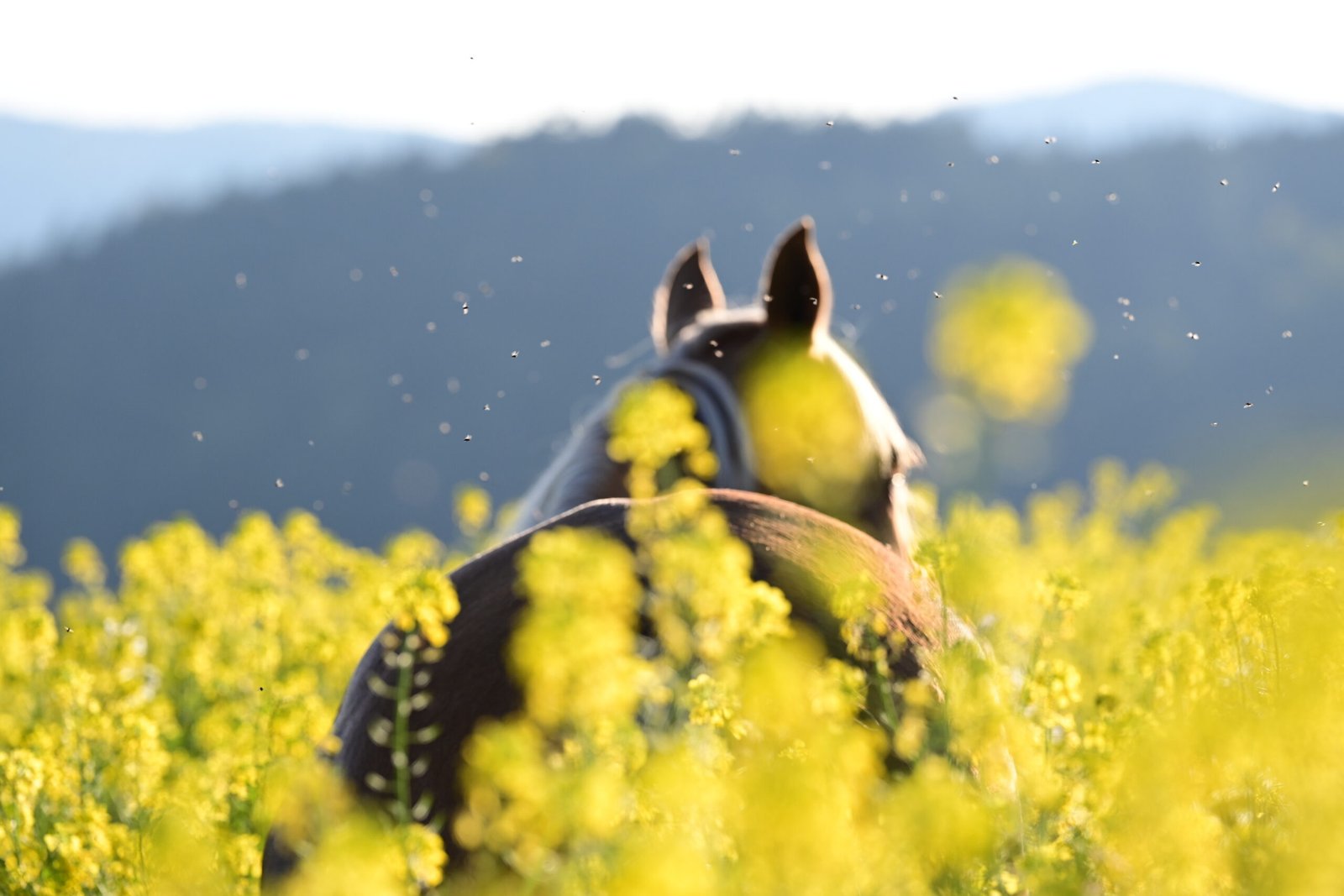
A 5-year-old Belgian gelding in Simcoe County, Ontario, was admitted to a veterinary hospital on July 25 after becoming acutely recumbent. Unfortunately, due to his deteriorating condition, the horse was euthanized. PCR samples taken from his brain tissue confirmed the presence of West Nile virus (WNV). It is important to note that the horse had not been vaccinated against the disease.
This particular horse was one of three on the same property that recently exhibited acute neurologic signs and ultimately succumbed to the illness.
EDCC Health Watch is an Equine Network marketing program that utilizes information from the Equine Disease Communication Center (EDCC) to create and disseminate verified equine disease reports. The EDCC is an independent nonprofit organization that is supported by industry donations in order to provide open access to infectious disease information.
WNV 101
West Nile virus is transmitted to horses through mosquito bites. While not all infected horses display clinical signs, those that do may experience:
- Flulike symptoms, such as mild anorexia and depression;
- Muscle and skin twitching;
- Hypersensitivity to touch and sound;
- Changes in mental alertness;
- Intermittent drowsiness;
- Uncontrolled forward movement;
- Weakness or ataxia;
There is no cure for West Nile virus in horses, and mortality rates can be as high as 30-40%. However, some horses can recover with supportive care. Vaccination has been shown to be an effective prevention method, with annual booster shots recommended for previously vaccinated horses. Unvaccinated horses may require a two-shot series to establish immunity.
In addition to vaccination, owners can help protect their horses by reducing mosquito habitats and limiting exposure to mosquitoes. This can be done by eliminating standing water, regularly cleaning water sources, keeping horses indoors during peak mosquito activity times, and using approved mosquito repellents.