

Close Menu
  • DIY Projects
  • Home Decor
  • Beauty Products
  • Pets Training
  • Interior Design
  • Pets
  • Pet Care Tips
What's Hot

The Hair Product Both Carolyn Bessette-Kennedy and JFK Jr. Used

March 9, 2026

Good Boy review | A dog star is born – Film Stories

March 9, 2026

Turns Out This Bold Primary Color Acts *Basically* Like a Neutral (Let Me Explain)

March 9, 2026
Facebook X (Twitter) Instagram
  • Contact
  • Privacy policy
  • Terms & Conditions
Facebook X (Twitter) Instagram Pinterest VKontakte
  • DIY Projects
  • Home Decor
  • Beauty Products
  • Pets Training
  • Interior Design
  • Pets
  • Pet Care Tips
Home»Pets Training»A Guide On Calming Down Your Reactive Dog
Pets Training

A Guide On Calming Down Your Reactive Dog

July 23, 2024No Comments2 Mins Read
Facebook Twitter Pinterest LinkedIn Tumblr Email
Share
Facebook Twitter LinkedIn Pinterest Email

1 31 3

Before we delve into the topic, let’s first clarify what a reactive dog means. A reactive dog is one that responds to a specific stimulus with an intensity higher than usual. Common signs of a reactive dog include growling, a tense body, barking, urinating, and snapping. If your dog is exhibiting behaviors that are more intense than usual, he is considered reactive.

Reactivity can often lead to aggression, which can be challenging to distinguish until the behavior escalates. Here are some strategies to help your reactive dog stay calm.
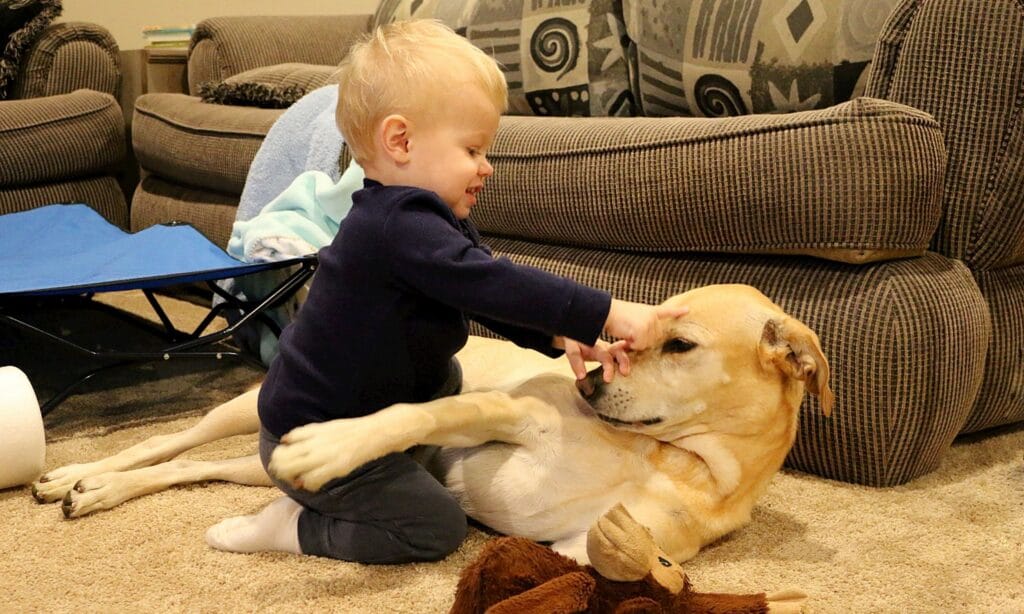
Identify His TriggersIdentify His Triggers

Identify His Triggers

Observe your dog’s body language to understand his triggers. Since dogs can’t verbalize their feelings, it’s essential to pay attention to their body language in various situations. Triggers for your dog may include being touched by strangers, loud noises, being restrained, and unfamiliar movements or objects. If you’re unsure how your dog will react to a stimulus, introduce it gradually or avoid it altogether.

Counter Conditioning And DesensitizationCounter Conditioning And Desensitization

Counter-Conditioning and Desensitization

Counter conditioning involves teaching your dog to change its emotional response to a stimulus, while desensitization entails exposing your pet to a stimulus at a low level to prevent an undesired reaction. The key is to introduce the stimulus, offer a treat before any reaction occurs, then move away from the stimulus. Gradually increase the intensity of the stimulus as your pet becomes less reactive. Reward calm behavior to reinforce positive responses.

Change RoutineChange Routine

Change Routine

Modify your dog’s environment to prevent triggering reactive behaviors. Limit visual access during walks, car rides, and block windows that may cause agitation. Utilize tools like crates and harnesses to assist in managing your dog’s reactive tendencies.

Avoid Aversive TrainingAvoid Aversive Training

Avoid Aversive Training

Avoid using harsh training methods that do not address the root cause of reactive behavior and can harm your dog. Intimidation, shock collars, and severe corrections only suppress the dog’s reactive behavior temporarily. Aversive training can lead to increased stress and worsen behavioral issues in dogs.

Stay CalmCalming Dog Guide Reactive
Share. Facebook Twitter Pinterest LinkedIn Tumblr Email

Related Posts

Good Boy review | A dog star is born – Film Stories

March 9, 2026

Who’s Winning Big at the Houston Super Sort?

March 8, 2026

Baby Sheep Thinks She’s a Dog and It’s Too Cute – AOL.com

March 8, 2026

10 Virginia Horses Test Positive for EHV-1

March 5, 2026
Add A Comment
Leave A Reply Cancel Reply

Editors Picks

The Hair Product Both Carolyn Bessette-Kennedy and JFK Jr. Used

March 9, 2026

Good Boy review | A dog star is born – Film Stories

March 9, 2026

Turns Out This Bold Primary Color Acts *Basically* Like a Neutral (Let Me Explain)

March 9, 2026

Monster Hunter Stories 3 Preview: Me and My Pet Rathalos – IGN Southeast Asia

March 8, 2026
Top Post

See the best animal stories of the year – USA TODAY

A New Beginning Pet Care?

The Best Eyeliners for Mature Eyes, Per Shoppers 40 and Over

Facebook X (Twitter) Instagram Pinterest Vimeo YouTube
  • Contact
  • Privacy policy
  • Terms & Conditions
© 2026 Doorpicker.com - All rights reserved.

Type above and press Enter to search. Press Esc to cancel.