Close Menu
  • DIY Projects
  • Home Decor
  • Beauty Products
  • Pets Training
  • Interior Design
  • Pets
  • Pet Care Tips
What's Hot

The Beauty Products Landman’s Ali Larter Loves

January 22, 2026

Wisconsin Warmblood Tests Positive for Equine Influenza

January 22, 2026

Using Reclaimed Wood In The Guest Cottage

January 22, 2026
Facebook X (Twitter) Instagram
  • Contact
  • Privacy policy
  • Terms & Conditions
Facebook X (Twitter) Instagram Pinterest VKontakte
  • DIY Projects
  • Home Decor
  • Beauty Products
  • Pets Training
  • Interior Design
  • Pets
  • Pet Care Tips
Home»Pet Care Tips»Do Dogs Have Bones in Their Tails? Vet-Verified Facts & Info – Dogster
Pet Care Tips

Do Dogs Have Bones in Their Tails? Vet-Verified Facts & Info – Dogster

September 3, 2024No Comments2 Mins Read
Facebook Twitter Pinterest LinkedIn Tumblr Email
Share
Facebook Twitter LinkedIn Pinterest Email

Here are some facts about dog tails:

  1. Tail Injuries – If your dog’s tail goes limp and they don’t want the base of their tail touched, they may have a muscle injury. Rest and anti-inflammatories can help with pain and swelling.
  2. Tail Fractures – Dogs can suffer tail fractures from physical accidents. Fractures at the tip can heal well, but those near the base may take longer and be more painful. X-rays are recommended.
  3. Happy Tail – Happy tail is a painful condition caused by continuous tail wagging on hard surfaces, leading to damage and open wounds. Healing can be challenging due to the constant re-injury from wagging.

    Dogs’ tails are important for communication and can help prevent conflicts. Other interesting facts include:

  4. Dogs don’t wag their tails when alone.
  5. Dogs can thrive without tails, although it may affect their communication with other dogs.
  6. Puppies learn tail wagging from their mothers.
  7. Tail docking is illegal in many countries due to its inhumane nature and potential health risks.

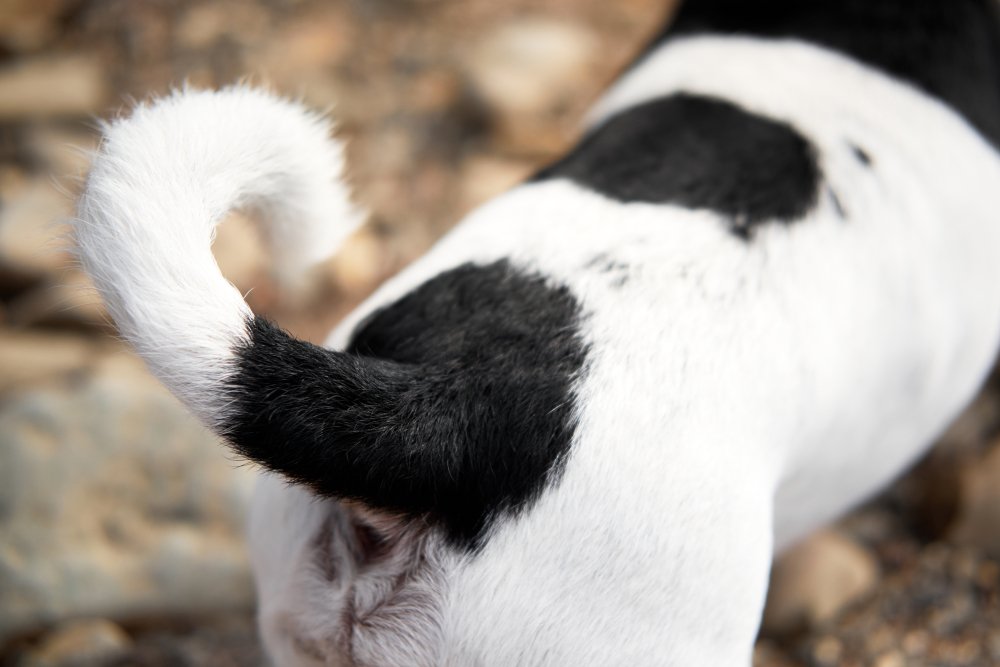
    Dogs can feel pain in their tails, as they contain bones, muscles, tissues, and nerves. Some dogs may have sensitive tails and can develop conditions like slipped discs. Tail wagging is a form of communication that indicates happiness, excitement, or anticipation. Different tail positions and movements convey various emotions and messages in dogs. The tail is not only used for communication but also for balance, swatting away insects, and spreading scent. It is an extension of the spine, containing muscles, nerves, blood vessels, and bones. Starting with wide bones at the base and tapering off to smaller bones at the tip, the tail plays a crucial role in a dog’s overall communication and behavior. text in a shorter form:

    Please let me know if you have any questions or concerns. following sentence:

    The dog ran quickly through the park.

    The dog sprinted through the park at a fast pace.

Bones Dogs Dogster Facts Info Tails VetVerified
Share. Facebook Twitter Pinterest LinkedIn Tumblr Email

Related Posts

Gut Health Support For Dogs: How PetLabCo.’s Probiotics Chews Can Help

January 22, 2026

The Gross Dog Pee Habit That Might Be a Health Warning

January 21, 2026

The Safe Christmas Foods Guide Every Dog Parent Needs

January 21, 2026

Maryland Horse Tests Positive for Strangles

January 20, 2026
Add A Comment
Leave A Reply Cancel Reply

Editors Picks

The Beauty Products Landman’s Ali Larter Loves

January 22, 2026

Wisconsin Warmblood Tests Positive for Equine Influenza

January 22, 2026

Using Reclaimed Wood In The Guest Cottage

January 22, 2026

A Japanese aquarium's sunfish got lonely. Their low-tech solution was brilliantly adorable. – good.is

January 22, 2026
Top Post

8 cute animals that should not be kept as pets – DNA India

Our Hands-On Test – Dogster

What Does It Mean if a Dog’s Nose Is Dry? 10 Vet-Verified Reasons & What to Do – Dogster

Facebook X (Twitter) Instagram Pinterest Vimeo YouTube
  • Contact
  • Privacy policy
  • Terms & Conditions
© 2026 Doorpicker.com - All rights reserved.

Type above and press Enter to search. Press Esc to cancel.