
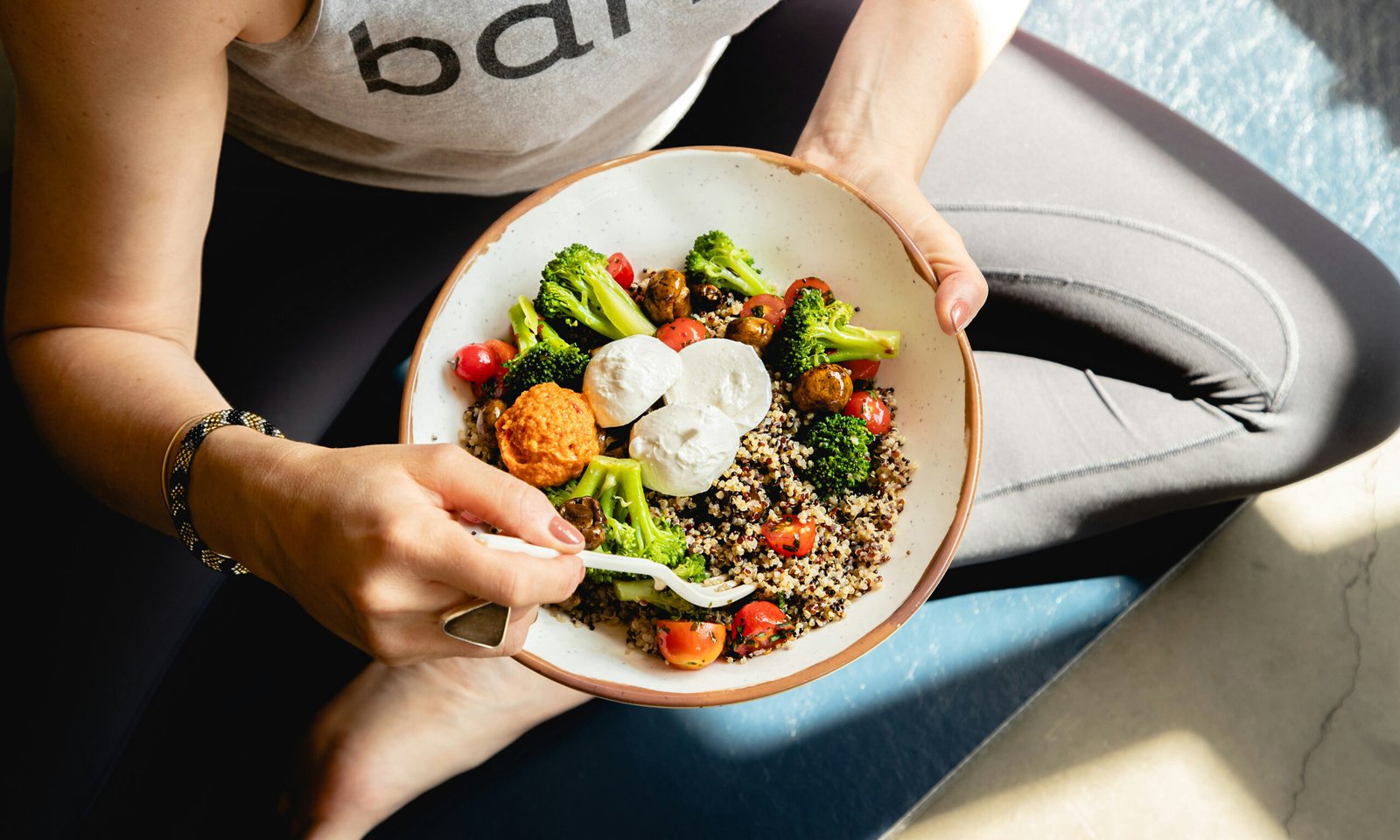
Starting a GLP-1 medication can be a challenging journey, especially when it comes to navigating food choices. Appetite changes, cravings diminish, and the old rules of dieting no longer seem to apply. The focus shifts from “how much should I eat?” to “what should I actually be eating?”
On a recent episode of The Beauty Authority, holistic nutritionist and NewBeauty Brain Trust member Jennifer Hanway delves into what eating on GLP-1s should truly entail, emphasizing energy, muscle preservation, and long-term health over perfection. “Starting a GLP-1 is a period of transition,” Hanway explains. “It’s okay not to have it all figured out right away. Your body, habits, and mindset need time to adjust.”
Why a Reset in Eating Habits on GLP-1s is Necessary
One significant shift in mindset that Hanway highlights is moving away from volume eating. “Prior to GLP-1s, people would consume large quantities of low-calorie foods just to feel full,” she points out. “Things like heaps of vegetables, popcorn, fibrous foods—anything that took up space without adding many calories.”
With a reduced appetite on GLP-1s, this approach no longer works. Hanway advocates for what she calls “bang-for-your-buck nutrition.” “Every bite should serve a purpose,” she explains. “Our focus is on protein and micronutrients—vitamins, minerals, and antioxidants—because there’s simply no room for empty calories anymore.”
The Essential Role of Protein
Protein is a cornerstone of GLP-1 nutrition, not as a trend but because it aids in preserving lean muscle mass. “Lean muscle is crucial for your metabolism,” Hanway clarifies. “Without a proper strategy while on GLP-1s, a significant portion of the weight loss could come from muscle rather than fat.”
Intentional protein intake is key. “Ideally, aim for around one gram of protein per pound of your ideal body weight,” she suggests. “But starting with about 30 grams of protein at each meal—breakfast, lunch, and dinner—is a good place to begin.”
She emphasizes that precise numbers matter less than consistency. “Many people don’t consume enough protein,” Hanway observes. “Rather than striving for a perfect number, I recommend consuming as much protein as you comfortably can. Protein is highly satiating and self-regulating.”
Choosing the Right Protein Sources
The source of your protein matters, especially when dealing with a decreased appetite. “In traditional weight loss approaches, individuals often turn to foods like quinoa, beans, or lentils for their filling properties,” Hanway notes. “However, with GLP-1s, we need to shift that mindset.”
She suggests prioritizing complete, bioavailable proteins. “Animal-based proteins offer a complete amino acid profile, keeping you full for longer and better supporting lean muscle mass,” she advises. “You’ll derive more usable protein from a chicken breast than from a serving of quinoa.”
While protein powders can be beneficial, quality is crucial. “Opt for high-quality protein powders like grass-fed whey or beef, avoiding overly processed ‘protein foods’ that are more about marketing than nutrition,” Hanway recommends.
Foods to Alleviate Side Effects
Nausea, constipation, and fatigue are common early on, and food choices can significantly impact these symptoms. “GLP-1s slow gastric emptying, leading to nausea, especially with high-fat meals,” Hanway explains.
Her advice is to keep meals simple. “You don’t need to eliminate fats entirely, but keep them minimal—opt for a little olive oil or avocado over heavy, rich dishes,” she suggests.
Dealing with constipation requires a gentle approach. “Avoid suddenly increasing fiber intake,” she warns. “Think of your digestion like a clogged sink; adding more fiber only worsens the situation. Focus on hydration first.”
Fatigue, she adds, often stems from undereating or overexertion. “Strength training is important on GLP-1s,” Hanway stresses. “But when intense exercise is coupled with very low calorie intake, fatigue can set in.”
Eating When Appetite is Low
On days when eating feels particularly challenging, Hanway recommends starting with hydration. “Electrolytes can be beneficial,” she notes. “GLP-1s can dampen both thirst and hunger, so reminders to drink are essential.”
She also advises maintaining a consistent eating schedule, even if portions are smaller. “Nausea is often least troublesome in the morning, making it an ideal time to prioritize protein and gradually lighten meals throughout the day,” she suggests.
Preparation is key. “Planning meals in advance removes the burden of decision-making when appetite is low; convenience becomes crucial,” Hanway emphasizes.
Nutrition During Maintenance
For those transitioning to maintenance or tapering off GLP-1s, patience is vital. “As you reduce your dose or discontinue the medication, food concerns may resurface,” Hanway acknowledges. “This is normal.”
She underscores the importance of focusing on what you can control. “While we can’t eliminate food-related challenges, we can support blood sugar balance through protein, fiber, and muscle mass,” she explains. “And remember, you need support. Share your journey with your partner, develop non-food-centric habits, and be gentle with yourself during this adjustment period.”
Her parting advice echoes a recurring theme: “This is a transition, not a setback.”
text in a more concise manner:
Rewrite the text to be more concise.