
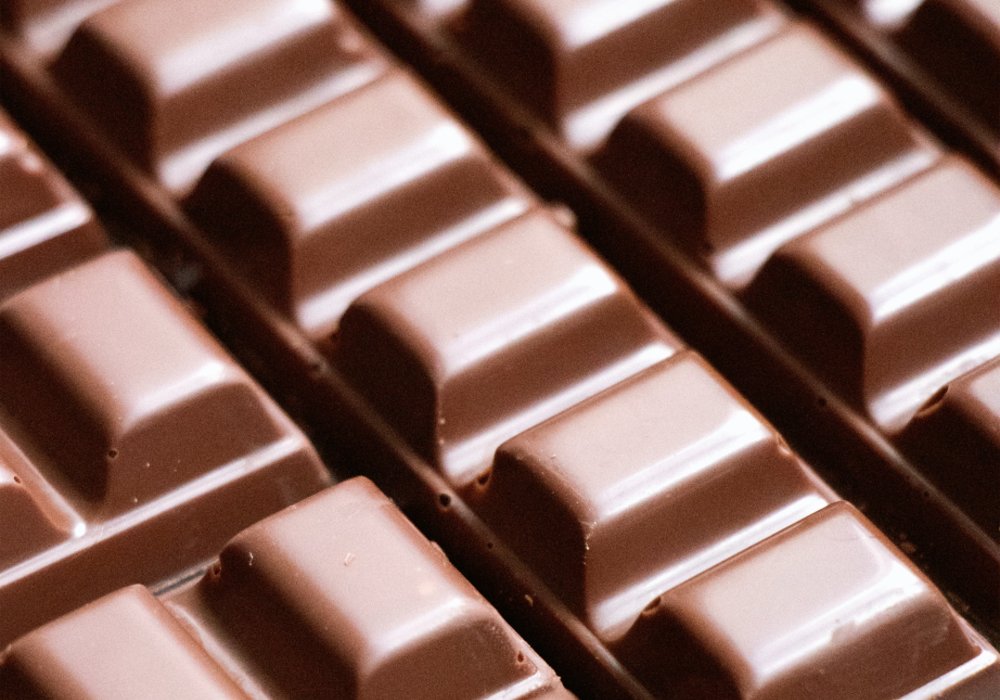
During a recent press conference, Swiss chocolatier Lindt & Sprüngli shared a message countering the belief that GLP-1 medications diminish the demand for chocolate delicacies. The data presented suggests otherwise.
The renowned chocolate maker disclosed a remarkable double-digit organic growth in 2025, with sales surging by 12.4 percent to CHF 5.92 billion and operating profit soaring to CHF 971 million. These results underscore the resilience of the luxury chocolate segment, amidst challenges such as record cocoa prices and economic uncertainties in the global confectionery industry.
A significant portion of this growth was attributed to price adjustments made across Lindt’s product range. In response to escalating cocoa costs, the company implemented an average price hike of approximately 19 percent in 2025, yet consumer demand remained robust.
Interestingly, Lindt also highlighted an unexpected factor driving the demand for premium chocolate – consumers using GLP-1 weight-loss medications. The brand’s data revealed that although only around 15 percent of U.S. households utilize GLP-1 drugs, they contribute to about 17.5 percent of chocolate sales, indicating that consumers continue to indulge, albeit in altered ways.
According to CEO Adalbert Lechner, many of these consumers are simply adjusting their consumption habits rather than completely forgoing treats. As individuals reduce their intake of calorie-dense foods like pizza, pasta, and chips, they are still seeking moments of indulgence by opting for smaller portions of higher-quality products. This signifies a shift towards a “less is more” mentality, where consumers prioritize “small rewards with moments of bliss over mindless snacking.”
This shift towards mindful indulgence is sustaining the demand for premium sweets, even as wellness trends reshape the broader food landscape. In essence, consumers may be consuming less overall, but when they do indulge, they are choosing superior chocolate options.