
If you’ve been scrolling through beauty content on TikTok recently, you’ve probably come across videos discussing facial balancing. This trend has gained popularity on the platform, focusing on subtle, natural changes that enhance facial symmetry and balance.
While many people turn to neurotoxins and fillers for facial contouring, orthodontics plays a crucial role in achieving facial balance. According to Dr. Jen Moran-Kobes, a restorative and cosmetic dentist in Chicago, “Orthodontics is the quiet foundation of facial balancing.” Braces and aligners help reposition the teeth and bite framework, resulting in better harmony in the lips, smile, and lower face.
Interested in learning more about how orthodontics can enhance your facial balance? Keep reading to discover how braces contribute to balancing your face, whether dentists recommend this approach, the timeline for seeing results, and more.
Can Orthodontia Enhance Facial Balance?
Yes, orthodontics is an essential but often overlooked component of facial balancing. In conjunction with injectables, braces can bring about significant improvements in your facial appearance. Dr. Moran-Kobes emphasizes the importance of addressing functional issues first, as orthodontics is a medical treatment. “A stable, comfortable bite can prevent muscular compensations that may affect facial aesthetics over time and safeguard cosmetic and restorative work in the long run,” she explains. Here are some benefits of orthodontic treatment:
- Proportions and symmetry: Braces help align the teeth and improve facial symmetry by correcting issues like crossbites and crowding.
- Smile aesthetics: Orthodontics can enhance smile aesthetics by aligning the smile arc with the lip line, optimizing tooth display, and reducing excessive gum exposure.
- Dental arch width and lip support: Narrow dental arches can be expanded through orthodontic treatment to provide better lip support and improve facial harmony.
- Profile refinement: Orthodontics can subtly reshape the lower face, improving lip posture and jawline definition without the need for surgery.
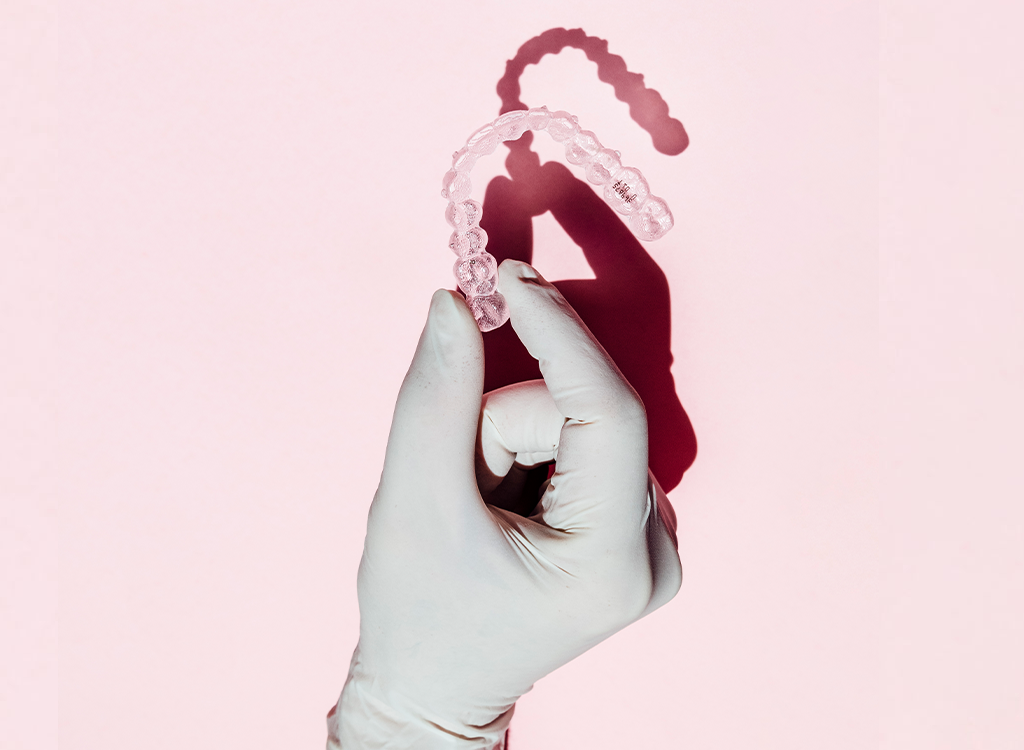
Braces and clear aligners work by applying gentle, continuous forces that allow bone to remodel around the teeth, facilitating precise movements. In more complex cases, additional orthodontic devices may be necessary to achieve the desired results.
Whether orthodontic treatment is suitable for you depends on your specific needs. Dr. Moran-Kobes recommends orthodontics for addressing structural issues that impact facial aesthetics and suggests combining it with other treatments for optimal results.
How Long Does It Take for Braces to Enhance Facial Symmetry?
Unlike injectables, which provide quick results, orthodontic treatment requires time to achieve facial balance. Initial improvements in smile appearance can be seen within three to six months, with further enhancements in profile and lower-face balance taking six to 18 months. The full treatment typically lasts 12 to 24 months, with more complex cases extending up to 30 months.
Dr. Moran-Kobes emphasizes the importance of wearing retainers post-treatment to maintain the results and protect your investment.
Is It Too Late to Get Braces?
It’s never too late to consider orthodontic treatment, even in your 40s, 50s, or beyond. Before starting treatment as an adult, it’s essential to assess your oral health and discuss any potential risks with your provider. Dr. Moran-Kobes advises choosing a knowledgeable team and understanding how the treatment plan will impact your facial features.