
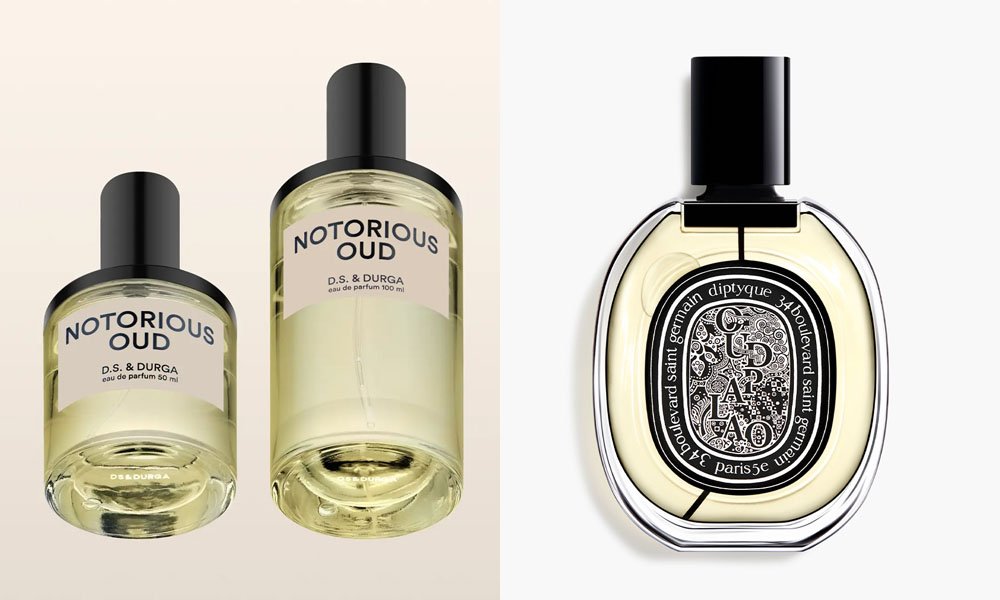
Spend enough time reading up on fragrance—or wandering a fragrance department—and you’re bound to hear the term “oud” tossed around. The word itself oozes seduction and mystique, but many people don’t actually know what it means.
In fragrance, oud is one of nature’s rarest botanical ingredients—so scarce, in fact, that it’s rarely used in its pure form. Instead, expert perfumers recreate the essence of oud using a blend of high-quality oils that capture its signature woody warmth and sweetness.
While many popular fragrance brands offer their own interpretations, not all oud perfumes are created equal. Ahead, everything you need to know about this deeply alluring scent.
Featured Experts
- Euan McCall is a Scottish perfumer and the founder of JORUM STUDIO
- Chriselle Lim is the owner and creative director of Phlur
What Is Oud?
Oud is an oil that comes from Aquilaria trees, found throughout India, China, Thailand, Vietnam, and Laos. According to Scottish perfumer Euan McCall, founder of JORUM STUDIO, the oil is created when the wood becomes infected with fungus. When the Aquilaria lumber is healthy, it doesn’t produce any odor. “When the older trees are attacked by the fungi, the infection creates an oleoresin in the tree that is removed, chopped, and macerated in water before being distilled to yield the oil we call oud,” she explains.
Before it found its way into luxury perfume, oud had long been used in religious and ceremonial practices across cultures for thousands of years.
Why Are Oud Perfumes Pricier Than Other Scents?
Pure, wild oud is an incredibly scarce natural resource, making it impossible to produce at scale. According to McCall, high-quality, commercial-grade oud oil can run around $20,000 per pound, while the finest oils on the market can far exceed that—sometimes fetching high six figures. Using even the smallest amount of real oud oil in a perfume can dramatically increase the price.
What Is Synthetic Oud?
Given the rarity and high cost of real oud, synthetic alternatives are now widely used in fragrance. “Synthetic oud is usually a combination of multiple materials formulated and manufactured by perfumers in order to mimic real oud at a fraction of the price,” explains McCall. It also offers perfumers a unique opportunity to get creative in their formulations, crafting interpretations of oud using other components that feel true and authentic to their personal palette and sensibility.
“It’s worth noting that many oud bases are created using a high percentage of natural materials and are often not the most economical materials,” McCall continues. And while other botanic oils may not be as expensive as oud, they’re still not cheap. He cites cypriol, spikenard, vetiver, and patchouli as quality ingredients that exhibit oud-like characteristics. “Armed with these materials, a skilled perfumer can create a close approximation of oud,” he says.
What Does Oud Smell Like?
Owner and creative director of Phlur, Chriselle Lim, describes oud as having “a deep, woody scent that’s super luxe and captivating, but it’s not just the woodiness. There’s a sexy, smoky undertone too.” Perfumes featuring synthetic oud oils often capture this enchanting mix of woodiness, sweetness, and earthiness, though they can also incorporate floral or fruity notes that add an unexpected twist.
Depending on which notes it’s paired with, the experience of oud can vary widely. “A couple of my favorite pairings with oud are rose, which gives it that luxurious and romantic scent. Or amber, which adds warmth and sweetness,” says Lim.
When working with genuine oud oil, scent profiles can vary even further. According to McCall, differences in fermentation can produce aromas that range from “intensely sweet and fruity to cheese-like or animalic.” Whether real or synthetic, it’s this unpredictability that makes oud so difficult to pin down—and so endlessly alluring.
Oud Perfumes to Try
/
/
/
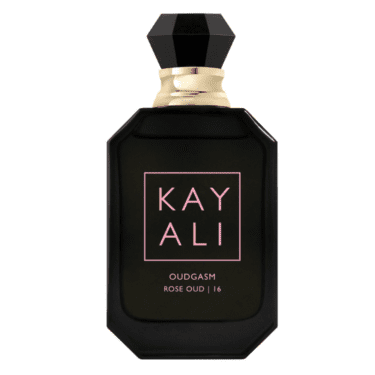
At the base of this fragrance, you’ll discover a cozy blend of vanilla, honey, musk, and plum. Although unexpected, this combination creates the perfect foundation for other notes like pear, pink pepper, and hints of saffron. Just one spritz is all you need to leave a lasting impression. Founded in 2006 by artistic director Romano Ricci, the essence of style and craftsmanship is evident in all his creations. Another Oud, a contemporary and innovative interpretation of a classic scent, features notes of raspberry, bergamot, norlimbanol, and ambroxan, creating a lavish and exuberant fragrance.
French perfume house L’Artisan Parfumer is renowned for its daring and avant-garde scents. Ode a l’Oudh, with its woody base and floral undertones, is no exception. Inspired by a mysterious elixir, the fragrance blends fruit liquor with coriander, saffron, nutmeg, vanilla, and musk, resulting in a soulful and eccentric perfume.
Somebody Wood, while not containing oud, draws heavy inspiration from the historic scent. This oud-inspired fragrance is light enough for everyday wear, with a sensual and cozy woody layer complemented by notes of sandalwood, spicy amber, bergamot, and lemon. The musky base adds earthiness, creating a well-rounded and versatile fragrance. following sentence:
The cat chased the mouse around the house.
The mouse was chased by the cat throughout the house. sentence: Please provide a detailed explanation of your reasoning for selecting this option. following sentence:
I am going to the store to buy some groceries.
I will be heading to the store to purchase groceries.