

Featured Experts
Different Kinds of Breast Surgery Scars
Depending on the breast procedure performed, there are several incision options. The most common are typically inframammary, or under the breast, periareolar (around the nipple) and transaxillary (under the armpit; used mainly for implants). Then there are variations to the above, such as a “lollipop” incision that combines periareolar with a vertical incision down the breast (typically used during a breast lift and breast reduction), and the “anchor” incision, or a combination of lollipop and inframammary incisions. All will need to close and heal, and will unavoidably result in scarring. Here’s how to minimize just how noticeable those scars will be.
When to Start Scar Treatment
Immediately after surgery, the first form of scar treatment will be medical-grade paper tape over the incisions for about two weeks, explains Encino, CA plastic surgeon George Sanders, MD. Your surgeon may also use a “temporary external support like plastic skin clips to reduce tension and yield better scars,” says Dr. Sanders. During the first initial weeks, “gentle cleansing and dryness are key,” adds New York plastic surgeon Mokhtar Asaadi, MD.
Two or three weeks post-op—or “once incisions are fully closed, dry, and free of scabs,” says Dr. Asaadi—it’s time to start your scar therapy.
What to Look For in a Scar Product
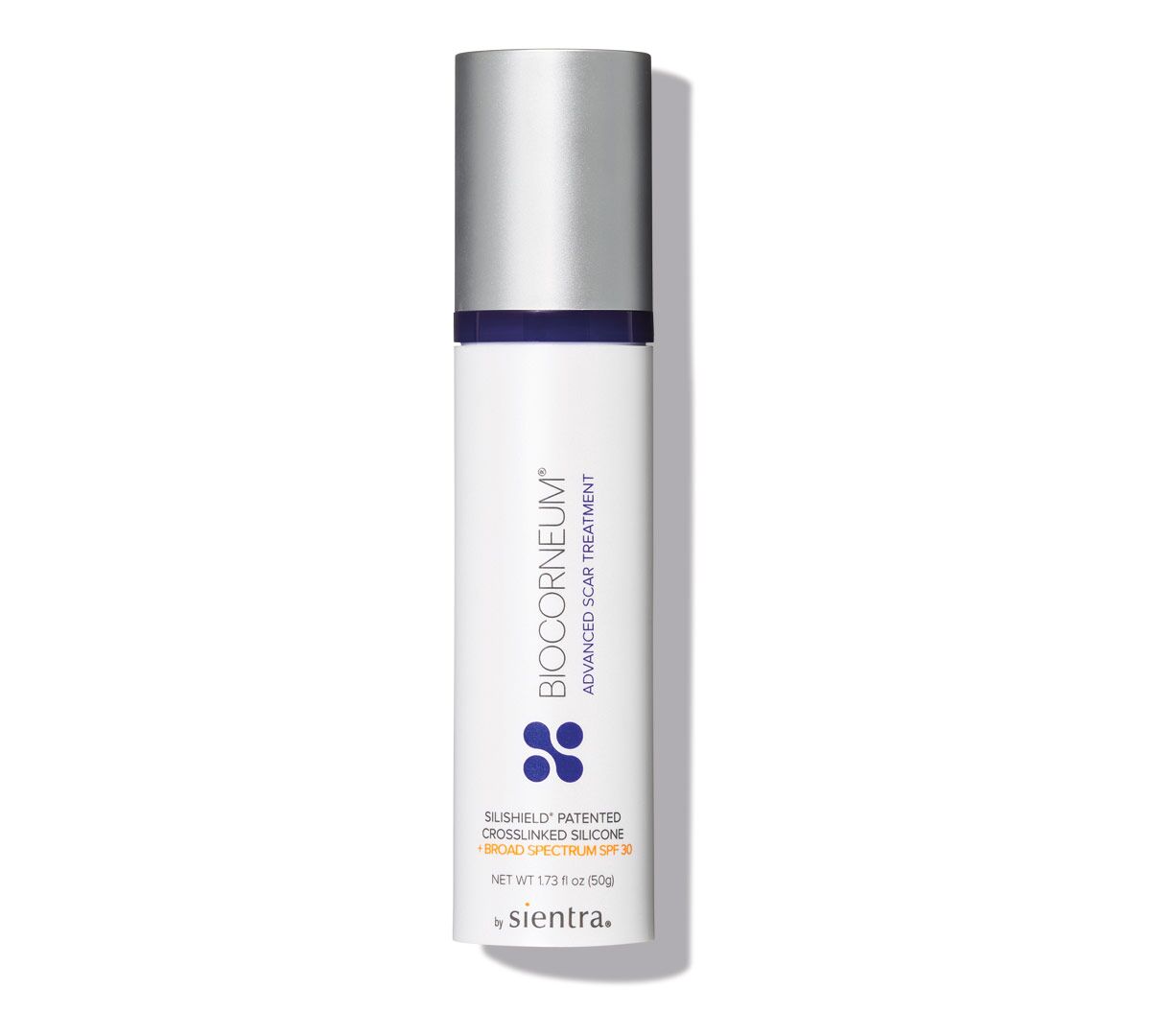
“Medical-grade silicone is the gold standard,” says Dr. Assadi. “Silicone gels and sheets hydrate the scar, reduce collagen overgrowth, and help flatten, soften, and lighten the incision.” Dr. Sanders agrees: “Using a silicone-based scar gel, or silicone sheets, for approximately three months can further improve scar flattening.” As for additional ingredients to support healing, Dr. Asaadi recommends looking for centella asiatica, panthenol, niacinamide, and hyaluronic acid to “help calm inflammation and encourage healthy collagen remodeling.”
When to Expect Scars to Lighten and Fade
In a world where social media makes time seem to exist only in 90 second reels, it’s important to level-set expectations on post-surgical scar healing. “Most patients start noticing early improvements—softening and a reduction in redness—around six to eight weeks. The most significant changes occur between three to six months, with final maturation at about one year,” explains Dr. Asaadi. Simply put: expect to use silicone-based scar therapy consistently for three to six months, and up to 12 months if you are prone to thicker or pigmented scars. If within that time frame scars continue to thicken, steroid injections or laser treatments can be discussed with your surgeon, says. Dr. Sanders to “expedite this process for patients who desire a more rapid improvement.”
Ingredients to Avoid Around Breast Scars
Certain products and ingredients can irritate the skin, prolong redness, or trigger pigmentation around breast scars. Dr. Sanders warns, “Non-medical-grade tapes may cause tape burn or pull on the incision, potentially widening the scar.” Dr. Asaadi cautions against using any products with strong exfoliants (AHAs/BHAs), retinoids, and any fragranced or essential oil–based products around incisions. Dr. Sanders adds alcohol-containing astringents to that list, plus scrubs and exfoliants that can cause “micro-trauma and worsen scarring.” Finally, at-home lasers or devices should only be used with your surgeon’s approval.
Plastic Surgeon-Recommended Scar Creams for Breasts
/
/

/

/

/
Recommended by New York plastic surgeon Dr. Tracy Pfeifer, Skinuva Scar is a revolutionary silicone-based cream that combines highly-selective growth factors with a blend of hyaluronic acid, aloe, centella asiatica, and vitamin C. This innovative formula is designed to effectively reduce the appearance of scars and promote skin healing.
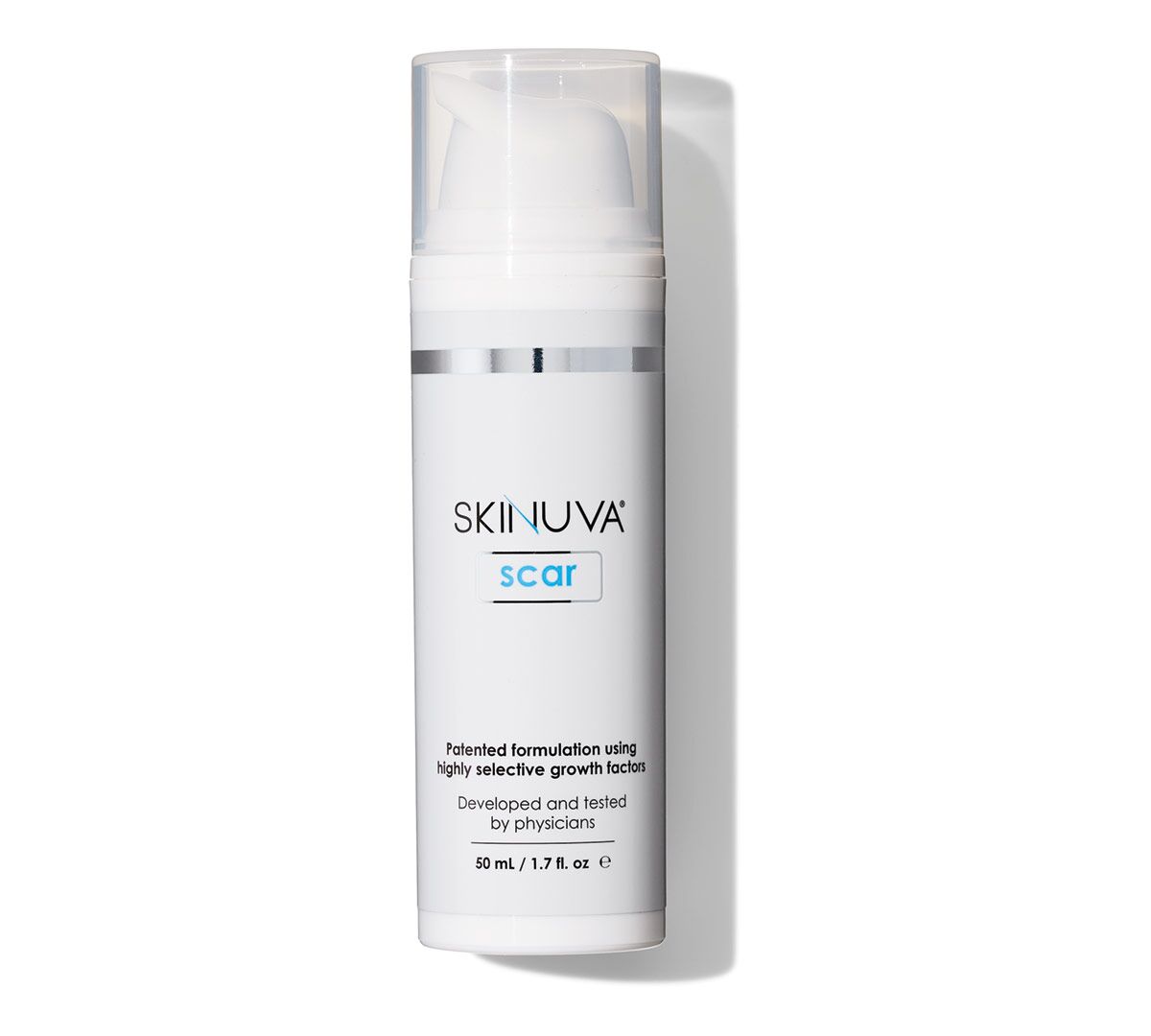
This award-winning product is specifically formulated to improve the texture and tone of damaged skin, making it an essential addition to your skincare routine. With Skinuva Scar, you can enhance the appearance of scars and achieve smoother, healthier-looking skin.