


In this article
Finding a tick on your dog can look like a lot of things, depending on when you catch it. Some are engorged and clearly alive. Others are small, dry, and brittle, easy to mistake for a scab or a bit of debris caught in the fur. A dead tick can feel like a relief compared to a live one, and many dog owners ignore it, but it’s important to note that even dead ticks on your dog still need your attention. Understanding what it means, why it’s there, and how to handle it correctly will save you some stress and protect your dog.
Dead ticks can’t actively transmit bloodborne disease to your dog, so the immediate risk is lower than with a live one. But that doesn’t mean you can ignore it. Here’s everything you need to know.

How do you know if a tick is actually dead?
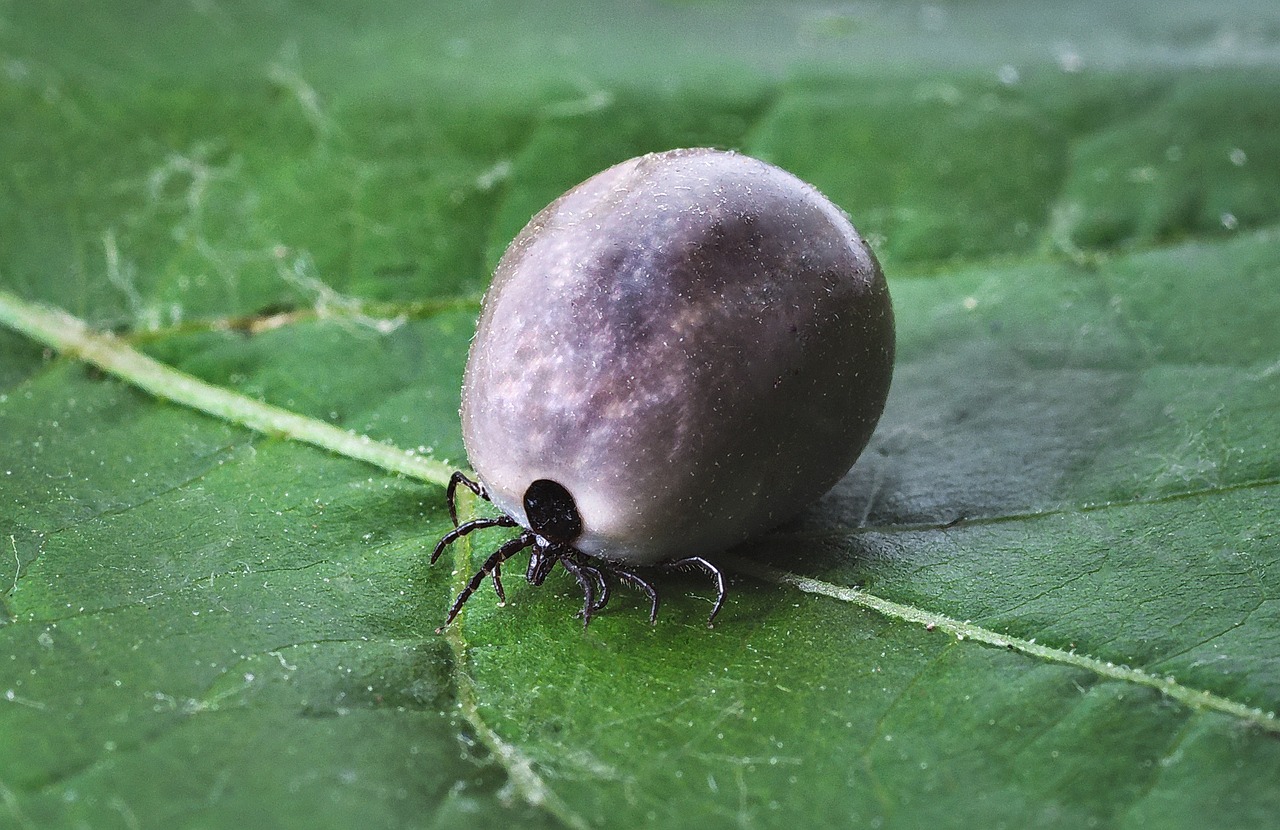
It’s trickier than it sounds. Dead ticks have a silvery white, dry, and brittle appearance rather than the darker coloring of a live one. Their legs curl up toward the body, which is the most reliable sign. A living tick, by contrast, will have its legs stretched outward and may move occasionally, even while feeding. Color alone isn’t enough to go on since ticks can appear grey and still be very much alive.
Size varies considerably, too. An unfed tick is roughly the size of an apple seed, while a fully engorged one can grow to the size of a pumpkin seed or larger.
Why is the tick dead in the first place?
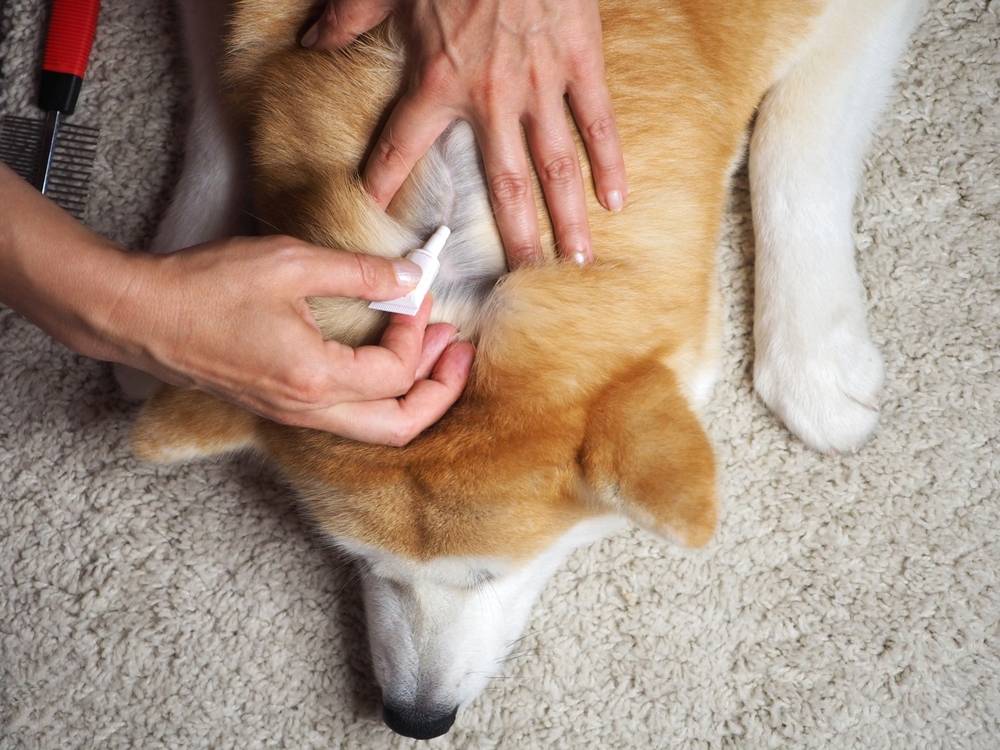
In most cases, it’s your flea and tick prevention doing its job. Medications like Seresto work by entering the dog’s upper skin layer and killing ticks after they bite. So a dead tick on a dog that‛s current on prevention is often a sign the treatment is working, not a sign something went wrong.
The other common cause is trauma. Dogs that scratch or bite at a tick can crush and kill it. Most dead ticks fall off naturally, but the mouthparts are designed to anchor firmly into the skin, which is why some stay attached even after death.
So why does a dead tick still need to be removed?
Because the mouthparts are still embedded in your dog’s skin. A tick can remain lodged in place for weeks, and the longer it stays, the greater the risk of irritation and infection at the bite site. There‛s also another consideration worth knowing: a dead tick can still release residual blood from its body back into your dog during removal if you squeeze or crush it, which is why technique matters.

How to remove a dried, dead tick correctly
The process is the same as removing a live tick, just with a little extra care to keep it intact:
- Confirm the tick is dead and part your dog‛s fur to get a clear view.
- Use fine-tipped tweezers or a tick removal tool, positioning as close to the skin as possible.
- Pull slowly and steadily upward without twisting, spinning, or squeezing the body.
- Continue pulling at a consistent pressure until the head and mouthparts are fully out.
- If you plan to visit the vet, save the tick in a sealed plastic bag for identification.
- Clean the bite area with 70% isopropyl alcohol or 3% hydrogen peroxide.
Check the rest of your dog‛s body
Finding one tick usually means there are more. Do a thorough check from nose to tail, concentrating on areas with long fur, between the toes, on the face, and inside the ear folds. Ticks favor hidden, warm spots where they‛re less likely to be disturbed.
Which diseases can ticks transmit to dogs?
The risk depends on the type of tick and how long it was attached. The main diseases to know:
Lyme disease (carried by deer ticks) is found primarily on the West Coast, the Northeast, and the upper Midwest. A tick needs to stay attached for 36 to 48 hours before Lyme-causing bacteria can be transmitted. Signs appear 2 to 5 months after the bite and include fever, lameness, joint pain and swelling, and in rare cases, fatal kidney disease. Treatment is typically a 28 to 30-day course of antibiotics.
Ehrlichiosis (brown dog tick, lone star tick, American dog tick) presents within 1 to 3 weeks of a bite with fever and low blood platelets, which can show up as bruising and nosebleeds. Anaplasmosis shares the same common symptoms.
Other tick-borne diseases include Rocky Mountain Spotted Fever, Babesiosis, and Bartonellosis, all carried primarily by deer ticks or American dog ticks, depending on the condition.
How ticks find your dog in the first place
Ticks don‛t jump or fly. They use a behavior called questing, where they position themselves on the ends of grass blades along frequently traveled paths and wait for a host to brush past. Prevention comes down to consistent use of approved medications, including sprays, spot-on treatments, or medicated collars. Most of these work by repelling or killing ticks after contact, so staying current on your dog‛s prevention schedule is the most reliable defense.