
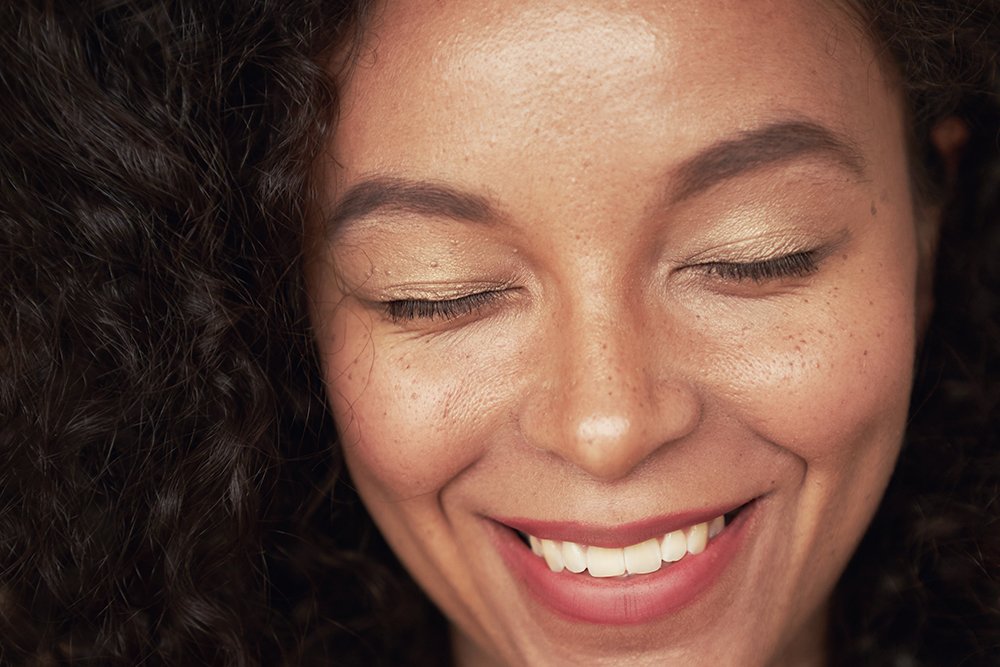
Based on the American Society of Plastic Surgeons, eyelid surgery, also known as blepharoplasty, was the most common facial cosmetic surgery procedure in 2024 and the fifth most common overall, following liposuction, breast augmentation, abdominoplasty (tummy tucks), and breast lifts. While blepharoplasties have typically been popular among individuals over 50, the rise of Zoom meetings, the “no-makeup makeup” trend, and other factors have led to a younger demographic opting for upper blepharoplasties.
Younger individuals, even in their 30s, are increasingly seeking upper blepharoplasties, as noted by New York oculofacial plastic surgeon Robert Schwarcz, MD.
Read on to understand the growing demand for upper blepharoplasties and explore potential alternatives for achieving similar results.
Featured Experts
- Robert Schwarcz, MD is a board-certified oculofacial plastic surgeon in New York
- David Schlessinger, MD is a board-certified oculoplastic surgeon in Woodbury, NY
- Steven Fagien, MD is a board-certified oculoplastic surgeon in Boca Raton, FL
- Mokhtar Asaadi, MD is a board-certified plastic surgeon in New York
What Is an Upper Blepharoplasty?
Essentially, a blepharoplasty is a surgical procedure aimed at rejuvenating the eyelid, explains David Schlessinger, MD, an oculoplastic surgeon in Woodbury, NY. This procedure can target either the upper or lower eyelids.
An upper blepharoplasty specifically addresses the upper eyelid, involving the removal of skin and fatty tissue to refresh the eyelid, as described by Dr. Schlessinger. Due to the delicate nature of eyelid skin and its tendency to show signs of aging early on, younger patients seek this procedure for maintaining or regaining a youthful appearance.
Patients typically express satisfaction with the outcomes of an upper blepharoplasty, often leading to reduced makeup usage and discontinuation of lash extensions, as shared by Steven Fagien, MD, an oculoplastic surgeon in Boca Raton, FL.
Why Do Younger People Want Upper Blepharoplasties?
In recent years, the increased exposure to one’s reflection on platforms like Zoom, the trend of minimal makeup, and the prevalence of selfies have contributed to a surge in younger individuals seeking upper blepharoplasties.
Patient motivations typically revolve around preventive measures for early eyelid issues or addressing aesthetic concerns related to sagging or heaviness in the upper eyelids. Social media’s influence plays a significant role in shaping these desires, with individuals aspiring to achieve digitally enhanced appearances showcased online.
Robert Schwarcz emphasizes the impact of self-perception in today’s visual culture, where enhanced scrutiny on one’s features prompts individuals to seek procedures that combat signs of fatigue and aging.
Despite the desire for subtle enhancements and a refreshed look rather than drastic changes, it’s essential for individuals to recognize that an upper blepharoplasty involves a surgical process with associated downtime and recovery.
Are You a Good Candidate for an Upper Blepharoplasty?
While the stigma around upper blepharoplasties has lessened, it remains a significant surgical procedure that demands careful consideration and planning. Candidates should have excess skin or fat in the upper eyelids, as outlined by Mokhtar Asaadi, MD, a plastic surgeon in New York.
Prior to undergoing surgery, individuals, regardless of age, must undergo a thorough evaluation by a board-certified plastic surgeon to assess their eyelid anatomy, skin quality, and overall facial harmony. It’s crucial to differentiate between true eyelid heaviness and other contributing factors like brow position or volume loss.
Steven Fagien highlights potential misconceptions regarding upper eyelid concerns and underscores the importance of an accurate diagnosis before proceeding with surgery.
Before undergoing an upper blepharoplasty, it is crucial to consult with an experienced surgeon who can accurately assess your individual needs. Especially for younger patients seeking this procedure as a preventative measure, a conservative approach is often recommended. Dr. Schwarcz emphasizes the importance of timing, as intervening too early can have negative long-term effects on the aging process. It is essential to choose a skilled, board-certified surgeon who prioritizes a conservative approach to ensure optimal results in the future.
While upper blepharoplasty is a popular procedure, it is important to take it seriously due to its permanent nature. Dr. Schwarcz advises having thorough discussions about recovery, scarring, and realistic expectations, as well as understanding how the eyelids may change over time. Recovery from upper blepharoplasty is relatively straightforward compared to other eye surgeries, with minimal downtime. Dr. Fagien notes that advancements in cosmetic surgery have led to more refined and individualized procedures, resulting in improved aesthetic outcomes.
If you are hesitant about undergoing surgery, there are alternative options available to achieve similar results. Non-invasive treatments such as Ulthera and laser resurfacing can help lift the brows and rejuvenate the eyelid area with comparable results to surgery. Injectable neuromodulators like Botox can also provide a brow lift effect, while injectable fillers are less effective in improving the upper eyelid area. Consulting with a skilled board-certified surgeon can help determine the best course of action for your specific needs.