

Few things spark panic faster than catching your dog licking up a chocolate crumb. That moment of “oh no!” hits every pet parent at least once and for good reason.
Chocolate is delicious to us but dangerous to dogs. Their bodies just can’t process it the same way ours can, and even small amounts can lead to big problems. Most dogs recover completely, but in rare cases, chocolate can cause lasting harm.
So, how dangerous is chocolate really? What signs should you watch for, and what long-term effects could follow? Here’s the full story, straight from what vets see every year.

Why Chocolate Is So Dangerous for Dogs
Chocolate contains two stimulants—theobromine and caffeine—that dogs can’t metabolize efficiently. In people, these chemicals give us a pleasant energy boost. In dogs, they build up in the bloodstream and can overstimulate the nervous system and heart.
Here’s a quick breakdown:
- White chocolate has almost no theobromine, so it’s usually harmless.
- Milk chocolate contains a moderate amount of theobromine, which is dangerous in larger portions.
- Dark chocolate and cocoa powder are the most toxic because they’re loaded with theobromine.
A general rule: the darker and more bitter the chocolate, the worse it is for your dog. Size also matters: a small dog needs far less to reach toxic levels than a big breed.
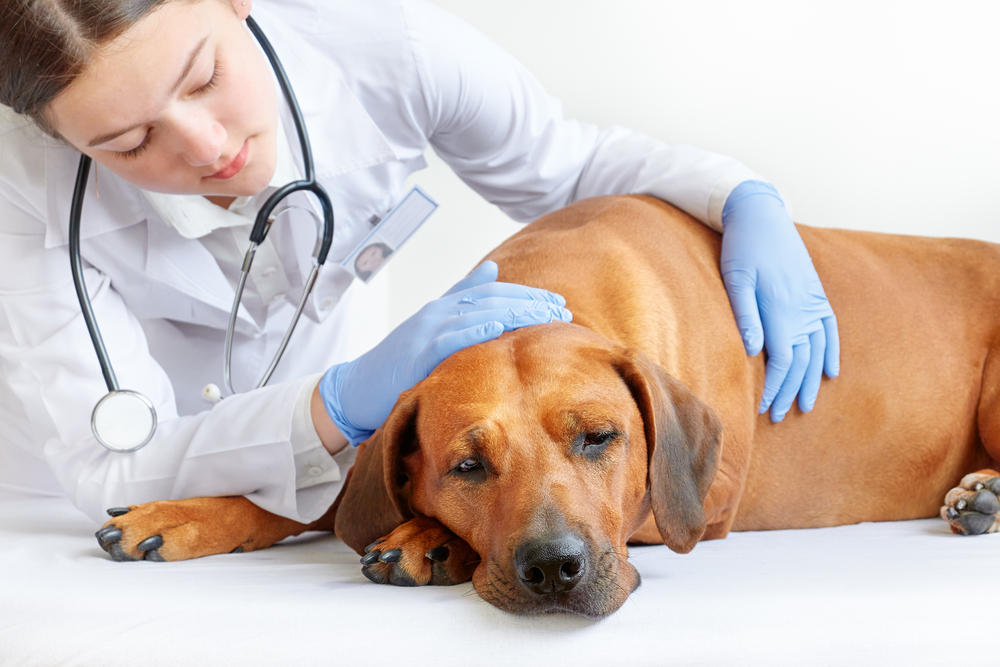
The Early Warning Signs to Watch For
When a dog eats chocolate, symptoms don’t always appear right away. It can take several hours for toxicity to kick in, and once it does, it often lasts for a day or two.
The first signs often look like your dog’s had way too many espressos: vomiting, diarrhea, drooling, pacing, panting, or extreme thirst. As theobromine builds up, more serious effects may follow, including:
- A racing or irregular heartbeat
- Tremors or twitching
- Restlessness and hyperactivity
- Seizures or collapse
If you notice any of these, call your vet immediately. Early treatment makes a huge difference in preventing complications.
Can Chocolate Cause Long-Term Problems?
In most cases, dogs bounce back beautifully after treatment. Once theobromine leaves their system, it doesn’t stick around or cause ongoing toxicity. But there are some rare situations where long-term or recurring health problems can develop, especially if your pup ate a large amount, suffered seizures, or developed secondary inflammation.
Here’s what you need to know about those potential long-term effects.

Pancreatitis: The Sneaky Aftereffect
Sometimes, the danger isn’t from the toxin, it’s from the chocolate’s fat and sugar content. When a dog eats something rich and greasy, it can overwhelm their pancreas, causing it to become inflamed.
This condition, called pancreatitis, can appear a few hours to a few days after chocolate ingestion. Symptoms include vomiting, loss of appetite, hunched posture, abdominal pain, and diarrhea.
The tricky part? Once a dog has had pancreatitis, they’re more likely to have flare-ups again later in life. That’s because the pancreas becomes more sensitive each time it’s irritated. Chronic pancreatitis can even affect digestion over time, so a low-fat diet and regular vet checkups are crucial for dogs who’ve experienced it.
Neurological Complications from Severe Seizures
In the most serious cases of chocolate toxicity, especially if a dog consumes a high dose of dark or baking chocolate, seizures can occur. These happen when theobromine overstimulates the brain and nervous system.
If seizures are intense or prolonged, they can cause brain tissue damage. This might lead to long-term neurological changes such as tremors, trouble walking, or behavioral differences. Thankfully, this level of toxicity is extremely rare and usually only seen when veterinary care is delayed or unavailable.
Most dogs who receive treatment before seizures occur make a full neurological recovery and show no signs of lasting harm.
Stress and Sensitivity After Recovery
There’s one more subtle aftereffect some pet parents notice: temporary anxiety or sensitivity after recovery. Because theobromine and caffeine stimulate the nervous system, some dogs seem more jumpy or restless for several days, even after they appear physically well.
This isn’t permanent brain damage; it’s more like the dog’s system taking time to settle back to normal. Calm environments, gentle exercise, and routine can help your pup feel safe again. If your dog remains unusually anxious or hyper after recovery, a follow-up vet visit is a good idea just to rule out lingering issues.

When to Call the Vet (Hint: Always!)
Even if your dog seems totally fine, don’t wait it out. A single call to your vet can help calculate whether the amount eaten poses a risk based on your dog’s weight, breed, and the type of chocolate they consumed.
It’s especially important to call right away if your dog is small, elderly, or has health conditions like heart disease. Sometimes, what seems like a harmless “taste” can still lead to complications hours later.
If you can, keep the wrapper or ingredient label so your vet can use it to determine how serious the situation might be.
If you need to speak with a vet but can’t get to one, head over to PangoVet. It’s our online service where you can talk to a vet online and get the advice you need for your dog — all at an affordable price!