
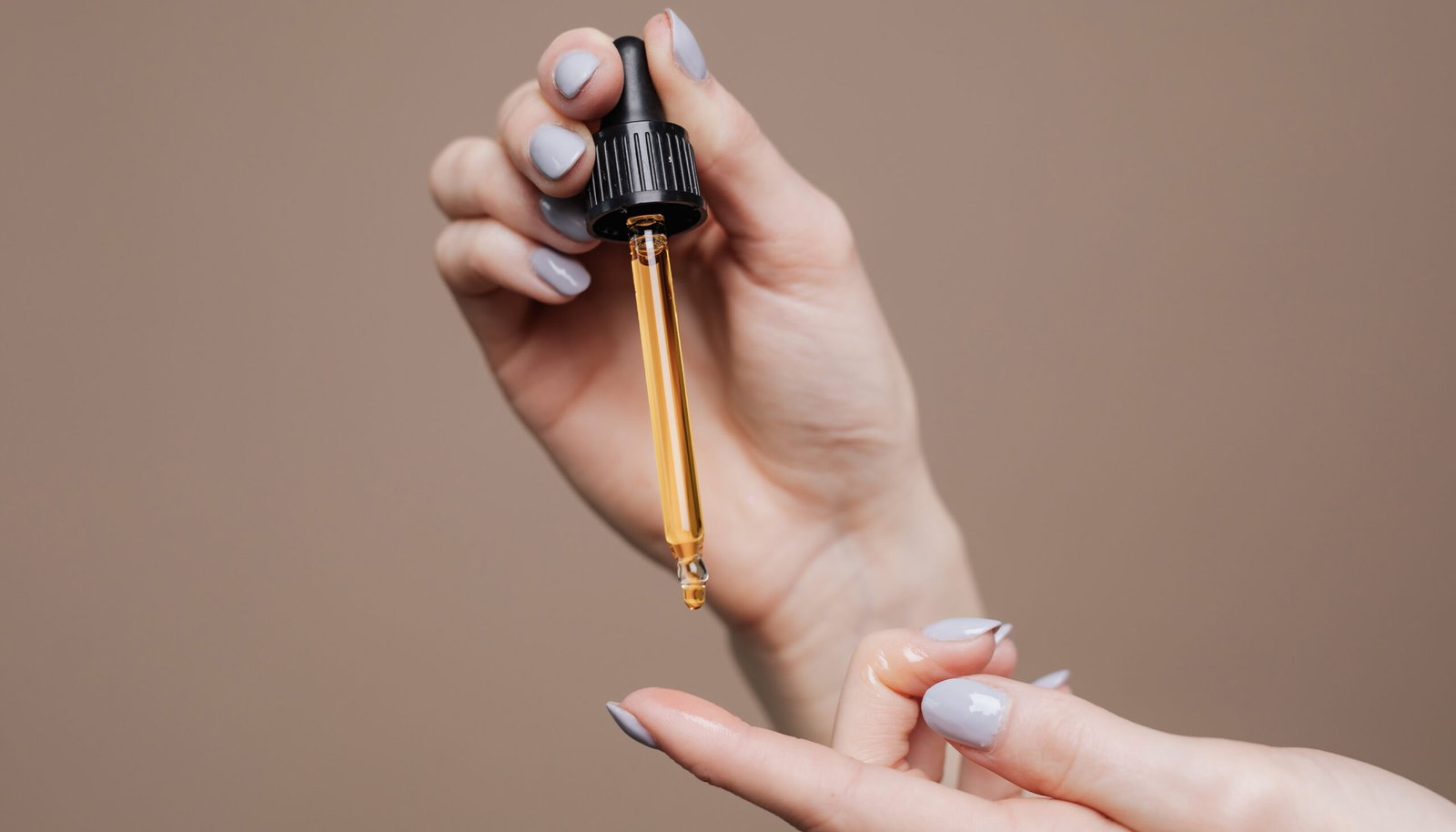
Retinoid products are widely known as the go-to solution for addressing both aging signs and acne. Despite their increasing popularity, there is still some confusion surrounding retinoids, including which type to use and when to start. We consulted with top dermatologists to determine the age and skin concerns that indicate it might be time to incorporate a retinoid into your skincare routine.
Featured Experts
When to Begin Using a Retinoid
While skin types vary, experts generally advise starting retinol in your twenties. “Late 20s is the ideal time to begin!” suggests Dr. Jennifer Segal, a dermatologist in Houston. Dr. Deborah Longwill, a dermatologist in Miami, points out that collagen production starts to decrease in the mid-to-late 20s, making it a suitable period to introduce a retinoid into your regimen.
“Retinol is among the most effective topical ingredients for combating aging,” states Dr. Jody A. Levine, a dermatologist in New York. “I typically recommend starting before noticeable changes occur. Although we can’t halt aging signs completely, early use of retinol can help delay the onset of fine lines and wrinkles, making them easier to manage later on. The optimal age to start is typically between 25 and 30, depending on the individual’s skin needs and concerns.”
However, there are exceptions, such as commencing a retinoid earlier. Levine mentions that some individuals start using a retinoid much earlier than their twenties, especially for acne treatment. Many teenagers are prescribed a retinoid and continue using it for its anti-aging properties.
Some individuals may not use retinol at all, as it may not be suitable for everyone. “For these patients, we have peptide creams and other excellent products,” she adds. It is advisable to consult with your dermatologist before starting a retinoid.
Skin Concerns Indicating It’s Time to Start a Retinoid
“Early signs of aging, like fine lines, uneven texture, acne, or pigmentation, are good indicators,” notes Dr. Longwill. Dr. Levine adds, “Retinol accelerates cell turnover and collagen production, making it beneficial for various skin concerns.” She highlights that dullness and sun damage are also common indicators that the skin may benefit from a retinoid.
When to Opt for a Doctor’s Prescription for Retinol vs. Over-the-Counter Purchase
Although there are numerous effective over-the-counter options, some individuals may benefit from a prescription formula. Dr. Levine explains, “Retinoid is a broad term encompassing ingredients used to address skin issues like fine lines, dullness, and acne.” She emphasizes the availability of prescription retinoids like tretinoin and tazarotene, as well as over-the-counter choices like adapalene (formerly prescription-only but now available OTC) and milder alternatives such as retinaldehyde and other retinols. Dr. Longwill suggests a prescription retinoid for persistent acne, significant sun damage, or more aggressive anti-aging outcomes. Prescription retinoids can be up to 20 times more potent than OTC options and provide superior results when used correctly.
Dr. Longwill suggests considering a prescription retinol if you have persistent acne, significant sun damage, or desire more aggressive anti-aging effects.
It’s crucial to acknowledge that retinoids can be irritating, particularly for beginners or those with sensitive or dry skin, according to Dr. Levine. “For individuals new to retinoids who wish to address mild to moderate acne or prevent aging signs, I recommend starting with a low-dose prescription retinoid or a gentle OTC option to allow the skin to adapt,” she advises. “If a patient struggles with stubborn acne, deep wrinkles, or has not seen results with OTC products, I would recommend a prescription retinoid under dermatologist supervision.”
Tips for Beginners
“I typically suggest starting with a mild formula of low concentration and using it on a spaced-out schedule to allow the skin to adjust, followed by a moisturizer,” says Dr. Levine. Dr. Longwill echoes this sentiment, recommending starting with a low-strength formula, around 0.25 percent to 0.5 percent, and gradually increasing as tolerated.
Dr. Jennifer Segal tends to prefer gentler retinoid formulations over traditional retinols, such as Differin 0.1 Adapalene Gel ($15) and Avene Retrinal Intensive Multi-Corrective Cream ($68). Dr. Levine emphasizes that the most suitable formula depends on the patient’s skin type and concerns, making it essential to consult with a dermatologist.