Close Menu
  • DIY Projects
  • Home Decor
  • Beauty Products
  • Pets Training
  • Interior Design
  • Pets
  • Pet Care Tips
What's Hot

Two college students designed Skechers shoes to help save shelter pets – Florida Today

May 18, 2026

5 Things Corey Cushing Looks for in a Cow HorseĀ 

May 18, 2026

Makeover Winner! Designing For The Sweetest Senior With Vision Disabilities (I Need Your Help!)

May 18, 2026
Facebook X (Twitter) Instagram
  • Contact
  • Privacy policy
  • Terms & Conditions
Facebook X (Twitter) Instagram Pinterest VKontakte
  • DIY Projects
  • Home Decor
  • Beauty Products
  • Pets Training
  • Interior Design
  • Pets
  • Pet Care Tips
Home»Pet Care Tips»2 Arizona Horses Test Positive for EHV-1
Pet Care Tips

2 Arizona Horses Test Positive for EHV-1

January 30, 2026No Comments2 Mins Read
Facebook Twitter Pinterest LinkedIn Tumblr Email
Share
Facebook Twitter LinkedIn Pinterest Email

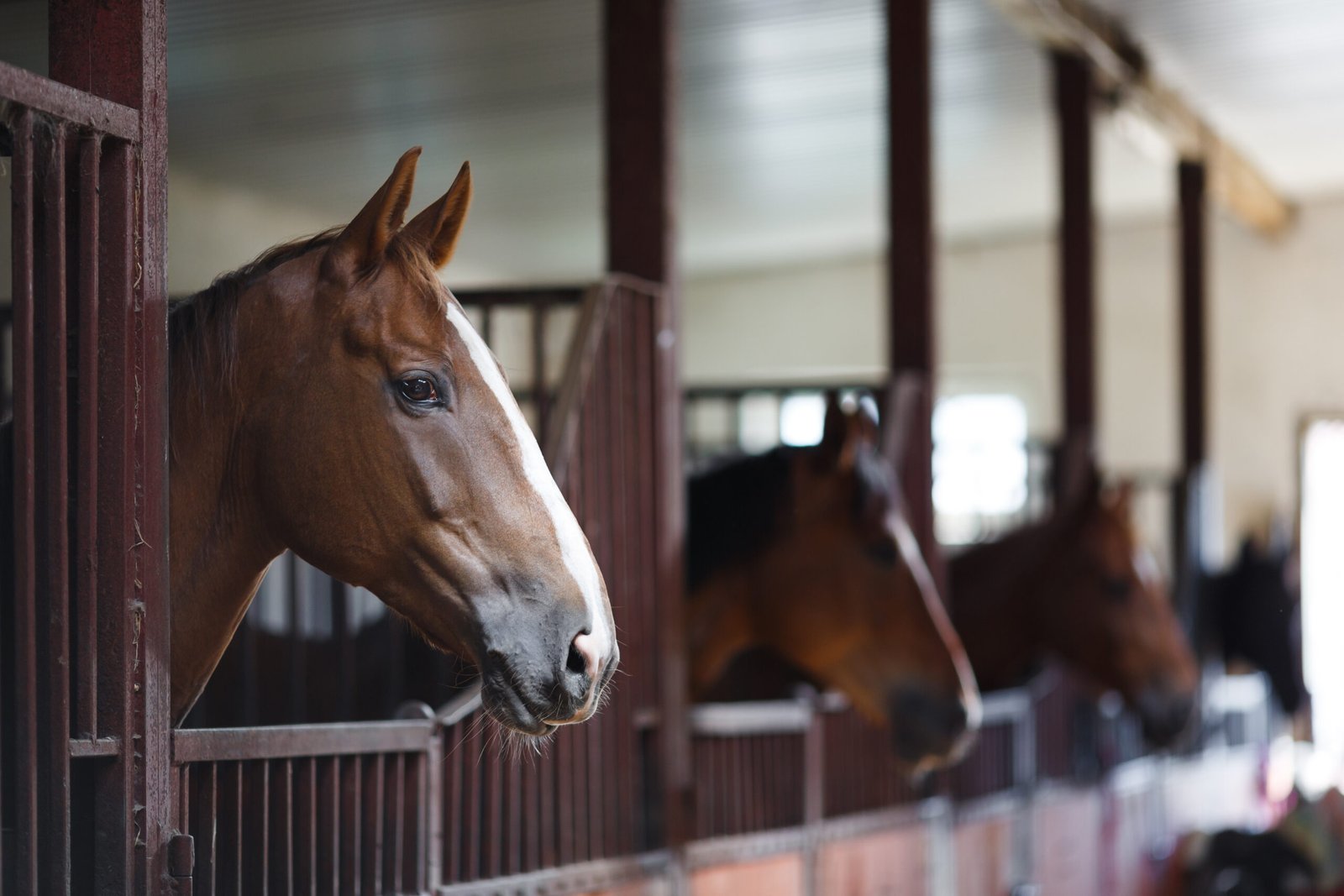
Two horses at a private facility in Pinal County, as confirmed by the Arizona Department of Agriculture, have tested positive for equine herpesvirus-1 (EHV-1). Both horses are currently under quarantine.

EDCC Health Watch, a program by Equine Network, collaborates with the Equine Disease Communication Center (EDCC) to provide accurate equine disease reports. The EDCC is a non-profit organization that relies on industry donations to offer accessible infectious disease information.

Understanding EHV-1

Equine herpesvirus is a highly contagious virus that can lead to various health issues in horses, including respiratory problems, abortions in pregnant mares, and equine herpesvirus myeloencephalopathy (EHM).

Fever is often the initial symptom of EHV-1 infection in horses, which can easily go unnoticed. Other common signs in young horses include coughing, decreased appetite, lethargy, and nasal discharge. Pregnant mares may not display any symptoms before experiencing late-term abortions, which can occur anywhere from two weeks to several months after infection.

Horses with EHM typically exhibit fever and respiratory signs initially, followed by neurological symptoms like incoordination, limb weakness or paralysis, urinary issues, tail tone loss, and recumbency.

The virus spreads through close contact with infected horses, shared equipment, or contact with individuals who have been in contact with infected horses. Maintaining proper biosecurity measures, such as hygiene practices and equipment disinfection, is crucial in preventing disease transmission.

Although current EHV-1 vaccines may reduce viral shedding, they do not offer protection against the neurological form of the disease. Therefore, implementing strict biosecurity protocols is essential for minimizing the spread of the virus, with disease prevention being the most effective control method.

Arizona EHV1 Horses Positive Test
Share. Facebook Twitter Pinterest LinkedIn Tumblr Email

Related Posts

5 Things Corey Cushing Looks for in a Cow HorseĀ 

May 18, 2026

Oregon Horse Euthanized After Contracting Strangles

May 18, 2026

Loveland Luck: Champions Rise at the 2026 Cinch RSNC North Central Regional Super Sort

May 17, 2026

BreaĀ Vardas, SteveĀ Cawthon Win $11K in RSNC #9 Gold Shootout

May 16, 2026
Add A Comment
Leave A Reply Cancel Reply

Editors Picks

Two college students designed Skechers shoes to help save shelter pets – Florida Today

May 18, 2026

5 Things Corey Cushing Looks for in a Cow HorseĀ 

May 18, 2026

Makeover Winner! Designing For The Sweetest Senior With Vision Disabilities (I Need Your Help!)

May 18, 2026

Woman Tries Filming Cute Dog Video—Then Realizes What She Actually Captured – Newsweek

May 18, 2026
Top Post

Botox’s Role in Reducing Sweat

The Best Hydrating Toners for Dewy, Bouncy Skin

Interior Design Ideas For A Cozy Cottage Look

Facebook X (Twitter) Instagram Pinterest Vimeo YouTube
  • Contact
  • Privacy policy
  • Terms & Conditions
© 2026 Doorpicker.com - All rights reserved.

Type above and press Enter to search. Press Esc to cancel.