
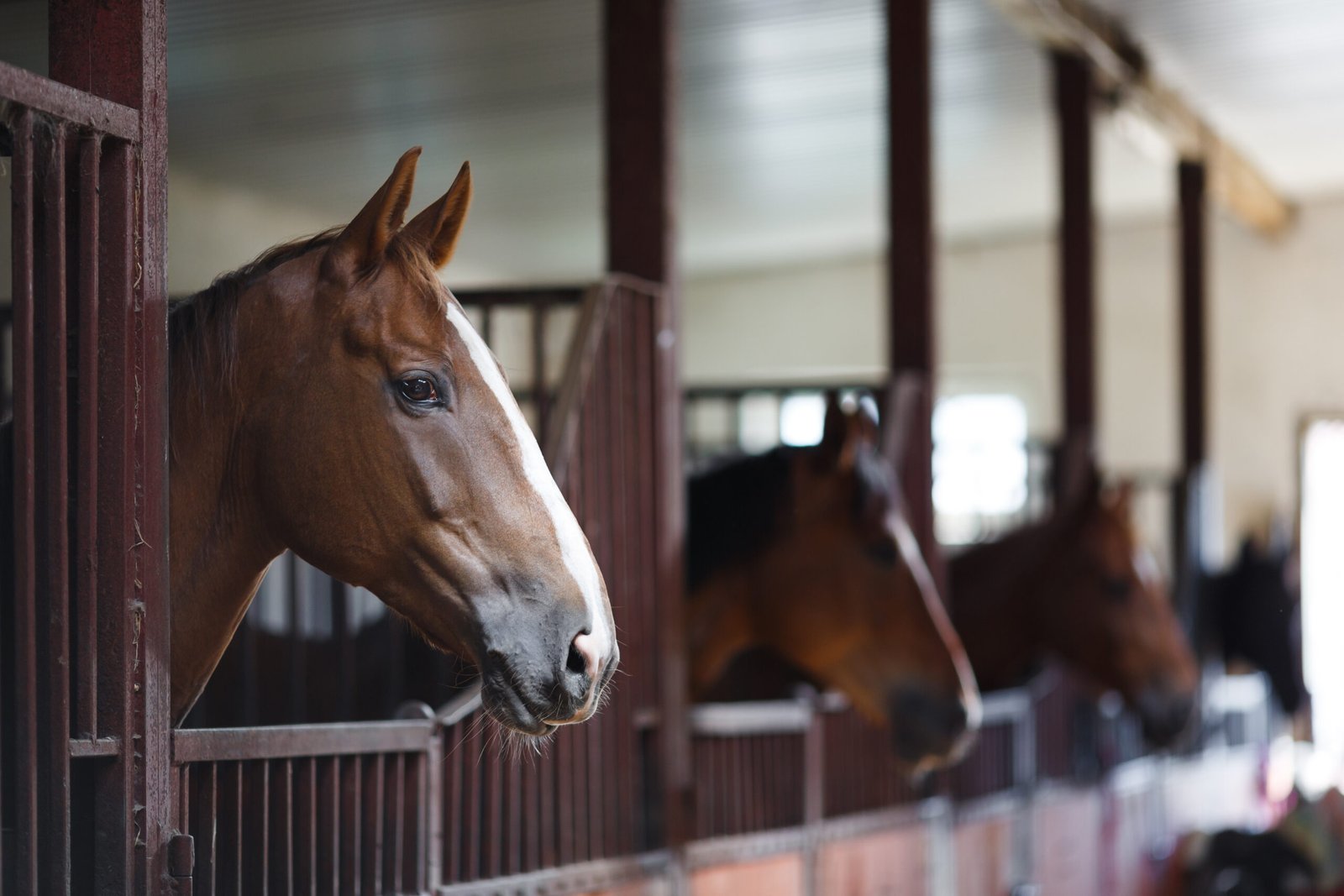

Two horses at a private facility in Pinal County, as confirmed by the Arizona Department of Agriculture, have tested positive for equine herpesvirus-1 (EHV-1). Both horses are currently under quarantine.
EDCC Health Watch, a program by Equine Network, collaborates with the Equine Disease Communication Center (EDCC) to provide accurate equine disease reports. The EDCC is a non-profit organization that relies on industry donations to offer accessible infectious disease information.
Understanding EHV-1
Equine herpesvirus is a highly contagious virus that can lead to various health issues in horses, including respiratory problems, abortions in pregnant mares, and equine herpesvirus myeloencephalopathy (EHM).
Fever is often the initial symptom of EHV-1 infection in horses, which can easily go unnoticed. Other common signs in young horses include coughing, decreased appetite, lethargy, and nasal discharge. Pregnant mares may not display any symptoms before experiencing late-term abortions, which can occur anywhere from two weeks to several months after infection.
Horses with EHM typically exhibit fever and respiratory signs initially, followed by neurological symptoms like incoordination, limb weakness or paralysis, urinary issues, tail tone loss, and recumbency.
The virus spreads through close contact with infected horses, shared equipment, or contact with individuals who have been in contact with infected horses. Maintaining proper biosecurity measures, such as hygiene practices and equipment disinfection, is crucial in preventing disease transmission.
Although current EHV-1 vaccines may reduce viral shedding, they do not offer protection against the neurological form of the disease. Therefore, implementing strict biosecurity protocols is essential for minimizing the spread of the virus, with disease prevention being the most effective control method.