
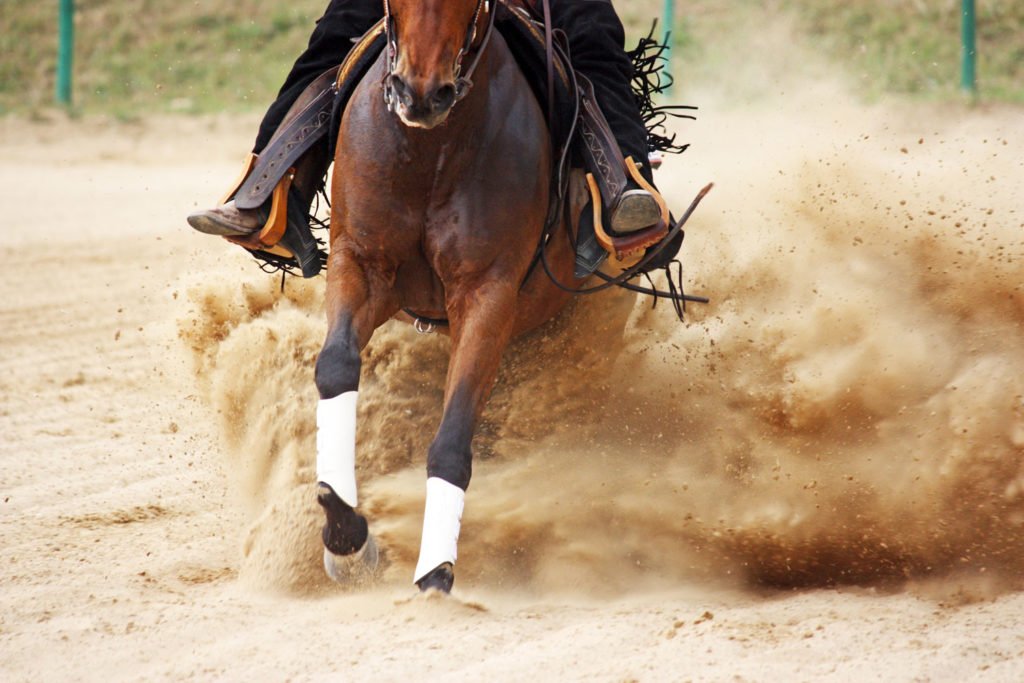
There are often subtle signs that indicate joint discomfort in performance horses. These signs can include needing longer warmups, resistance to collection, or a decrease in power during movement. It’s important to pay attention to these shifts as they may be early indicators of musculoskeletal pain, particularly in the joints.
When a horse fails to meet athletic expectations, veterinarians define it as poor performance. Joint pain is a common cause of this, and it’s crucial to identify discomfort early to effectively manage it. By the time lameness is visible, inflammation inside the joint may already be present. Taking proactive measures can help prevent further damage.
Here are five practical ways to protect joint function in active horses:
1. Take Small Changes Seriously
Small changes in performance, such as missed leads or sticky transitions, should not be ignored. These could be signs of discomfort rather than just training issues. A thorough lameness exam and diagnostic tests can help pinpoint the source of pain early on.
2. Condition the Structures That Protect the Joint
Proper conditioning of muscles, tendons, and ligaments can help reduce the strain on joint surfaces. Progressive conditioning and appropriate farriery can support efficient motion and reduce the risk of joint injuries.
3. Add Oral Joint Health Supplement Support
Joint supplements containing glucosamine and chondroitin sulfate can support cartilage structure and the synovial environment in performance horses. It’s important to choose a supplement with scientific backing and integrate it into a comprehensive management plan.
4. Treat Your Horse’s Recovery as Part of Training
Adequate recovery time between rides allows the musculoskeletal system to adapt to training stress. Cold therapy and liniments can help manage post-exercise inflammation and support comfort during intense training periods.
5. Reevaluate When Your Horse’s Performance Doesn’t Rebound
If a horse does not respond as expected to treatment, reassessment is necessary. Refining the diagnosis and broadening the search for pain can ensure that the correct structure is being treated.
Take-Home Message
Early attention to signs of discomfort, along with smart conditioning and recovery practices, can help manage joint stress and prevent future issues. It’s important to be proactive in caring for your equine athlete’s joint health.