Close Menu
  • DIY Projects
  • Home Decor
  • Beauty Products
  • Pets Training
  • Interior Design
  • Pets
  • Pet Care Tips
What's Hot

Darling Little 'Gremlin' Foster Dog Is the Most Adorable '10 Pounds of Sass and Joy' – AOL.com

September 30, 2026

Michigan Horse Tests Positive for WNV

September 30, 2026

Level Up Your Chances to Get Recruited for College Riding Programs

September 30, 2026
Facebook X (Twitter) Instagram
  • Contact
  • Privacy policy
  • Terms & Conditions
Facebook X (Twitter) Instagram Pinterest VKontakte
  • DIY Projects
  • Home Decor
  • Beauty Products
  • Pets Training
  • Interior Design
  • Pets
  • Pet Care Tips
Home»Pets Training»What Is Thrush?
Pets Training

What Is Thrush?

March 30, 2026No Comments2 Mins Read
Facebook Twitter Pinterest LinkedIn Tumblr Email
Share
Facebook Twitter LinkedIn Pinterest Email

Thrush is a common bacterial infection of the hoof that can affect any horse kept in unclean conditions or muddy paddocks. It can also develop in hooves with built-up dirt and manure, particularly in the clefts alongside the frog on the underside of the hoof. While hooves with deep clefts and narrow heels are more susceptible, thrush can also occur in flatter, wider hooves. Horses shod with therapeutic pads are also at risk, as the bacterium can thrive between the hoof and pad.

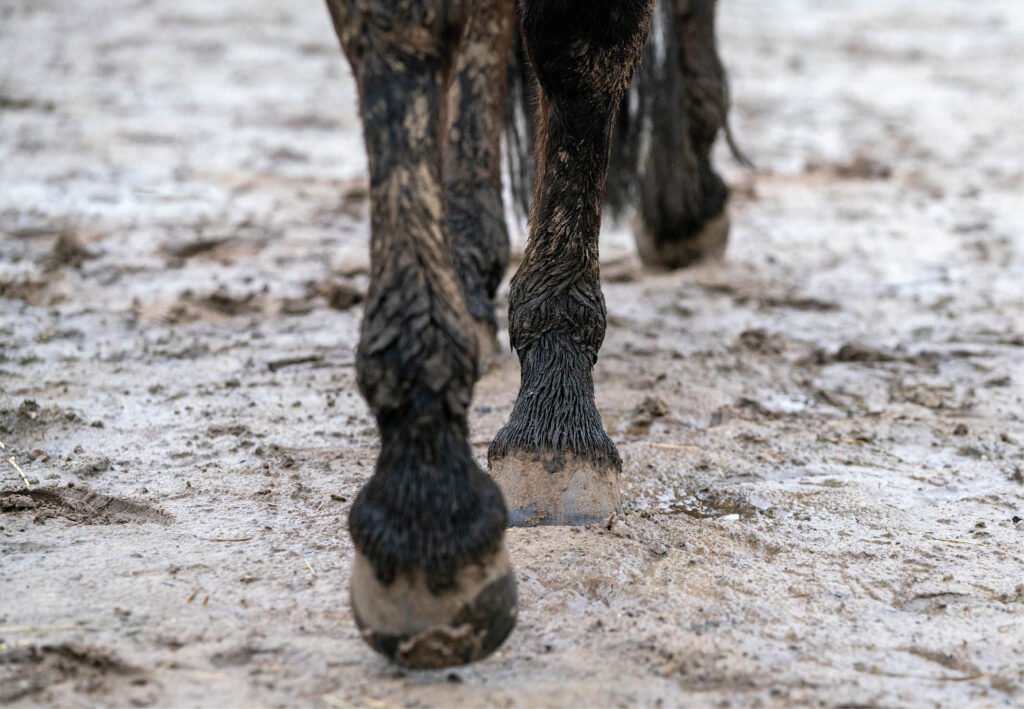
Thrush, a common bacterial infection of the hoof, is often easily detectable by sight and smell. The bacterium causing thrush thrives in damp and unsanitary conditions. Photo by PIC by Femke/ stock.adobe.com

How To Recognize It 

Thrush is easily detectable once it takes hold. It emits a foul odor and appears as a black pus-like fluid in the clefts alongside the frog. The black color of thrush stands out against the natural color of the hoof, and the affected frog may become black and spongy as well. While thrush typically doesn’t cause lameness, it can lead to soreness if it penetrates deep into the sensitive tissues of the hoof, causing the horse to flinch and potentially exhibit lameness.

How To Treat It

To combat thrush, maintain a clean and dry stall with fresh shavings. If the horse is in a wet or muddy environment, consider relocating him to a drier area or providing a dry place to stand. Remove debris from the hoof twice a day, paying attention to the clefts and grooves. Clean the entire bottom of the hoof with warm water, a hoof brush, and antiseptic, then apply an antimicrobial thrush treatment product. Consistent treatment for a week or more should clear up the thrush. If the condition persists, consult your veterinarian for further assistance.

Thrush
Share. Facebook Twitter Pinterest LinkedIn Tumblr Email

Related Posts

Level Up Your Chances to Get Recruited for College Riding Programs

September 30, 2026

What We’re Watching at the All American Quarter Horse Congress

September 29, 2026

Maryland Warmblood Tests Positive for EHV-1

September 26, 2026

Equine WNV Cases Confirmed in Indiana and Utah

September 25, 2026
Add A Comment
Leave A Reply Cancel Reply

Editors Picks

Darling Little 'Gremlin' Foster Dog Is the Most Adorable '10 Pounds of Sass and Joy' – AOL.com

September 30, 2026

Michigan Horse Tests Positive for WNV

September 30, 2026

Level Up Your Chances to Get Recruited for College Riding Programs

September 30, 2026

Home Depot’s Three-Story Farmhouse Bird Feeder Brings Vintage Charm to Any Yard – ParadePets

September 29, 2026
Top Post

I’ve Been Talking Everyone’s Ear Off About This Water-Bottle-Size Hair Dryer

Homemade Vanilla with Printable Label

Why Starting Aesthetic Procedures Early Leads to Better Results

Facebook X (Twitter) Instagram Pinterest Vimeo YouTube
  • Contact
  • Privacy policy
  • Terms & Conditions
© 2026 Doorpicker.com - All rights reserved.

Type above and press Enter to search. Press Esc to cancel.