Close Menu
  • DIY Projects
  • Home Decor
  • Beauty Products
  • Pets Training
  • Interior Design
  • Pets
  • Pet Care Tips
What's Hot

Gorgeous British Longhair Kitten Kneading Biscuits Resembles One, Too – AOL.com

October 20, 2026

4 Suspected Pigeon Fever Cases in Oregon

October 20, 2026

The Ride Podcast Ep. 143: Rick Brown on Faith, Perseverance and Finding His Way Back to the Saddle

October 20, 2026
Facebook X (Twitter) Instagram
  • Contact
  • Privacy policy
  • Terms & Conditions
Facebook X (Twitter) Instagram Pinterest VKontakte
DoorPickerDoorPicker
  • DIY Projects
  • Home Decor
  • Beauty Products
  • Pets Training
  • Interior Design
  • Pets
  • Pet Care Tips
DoorPickerDoorPicker
Home»Pet Care Tips»Michigan Horse Tests Positive for WNV
Pet Care Tips

Michigan Horse Tests Positive for WNV

September 30, 2026No Comments2 Mins Read
Facebook Twitter Pinterest LinkedIn Tumblr Email
Share
Facebook Twitter LinkedIn Pinterest Email

A single horse at a stable in Wayne County, Michigan, has been confirmed to have tested positive for West Nile virus (WNV).

EDCC Health Watch is a marketing program by Equine Network that utilizes information from the Equine Disease Communication Center (EDCC) to generate and distribute verified equine disease reports. The EDCC is an independent nonprofit organization that relies on industry donations to provide accessible infectious disease information.

WNV 101

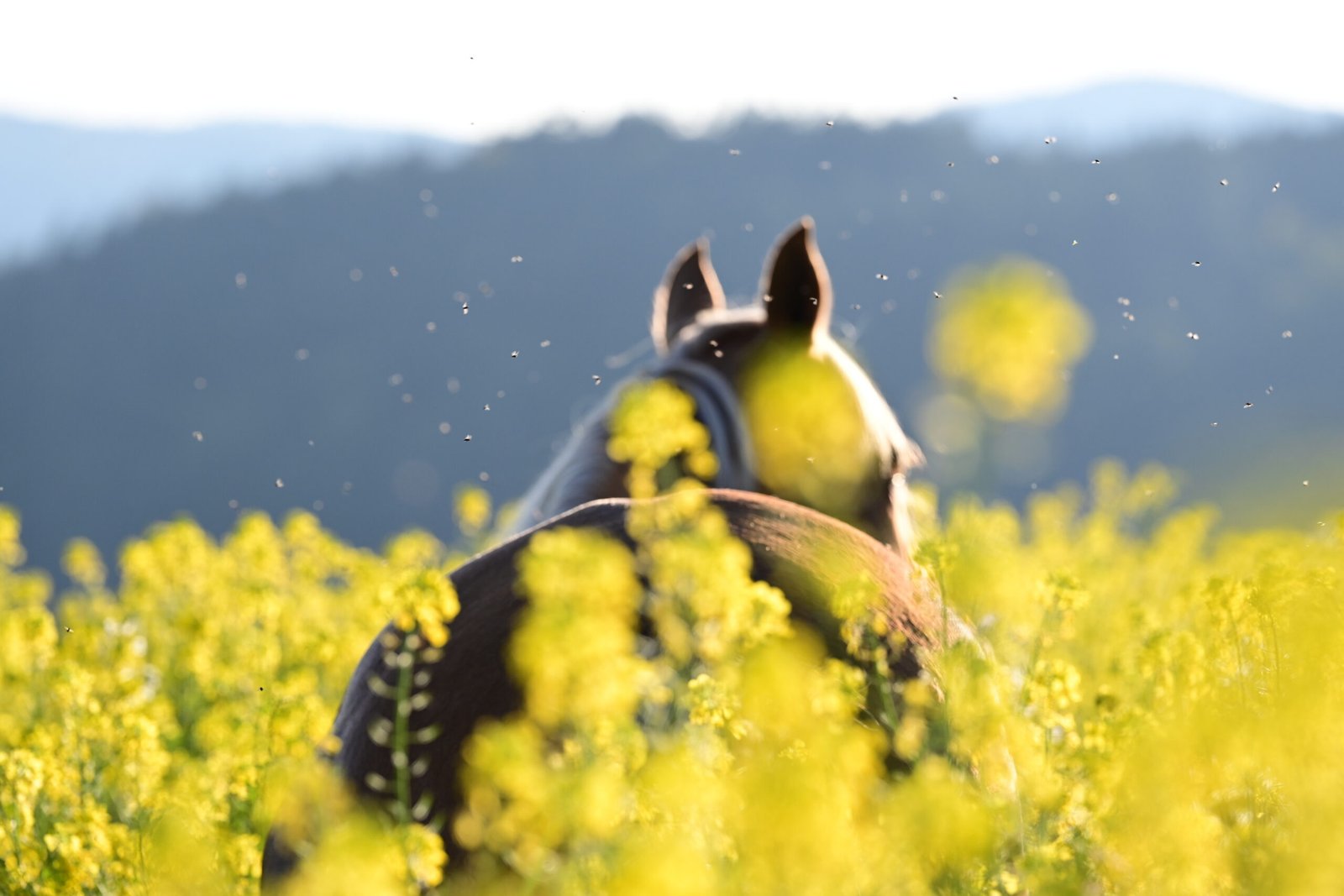
West Nile virus is transmitted to horses through bites from infected mosquitoes. While not all infected horses display symptoms, those that do may show:

  • Flulike signs, such as mild anorexia and depression;
  • Fine and coarse muscle and skin twitching;
  • Hypersensitivity to touch and sound;
  • Changes in mental activity;
  • Occasional drowsiness;
  • Propulsive walking;
  • Spinal signs like weakness; and
  • Ataxia, either asymmetrical or symmetrical.

There is no cure for West Nile virus in horses. However, some may recover with supportive care, though mortality rates can be as high as 30-40%.

Research has indicated that vaccines are effective in preventing WNV. Horses previously vaccinated should receive an annual booster, with some veterinarians recommending two boosters per year in areas with extended mosquito seasons. Unvaccinated horses will need a two-shot series within a three to six-week timeframe. It takes several weeks for full protection to develop after vaccination.

Alongside vaccinations, owners should take steps to reduce mosquito populations and limit exposure for their horses by:

  • Eliminating stagnant water sources;
  • Regularly cleaning and refilling water containers;
  • Keeping animals indoors during peak mosquito activity times;
  • Applying approved mosquito repellents for horses.
Horse Michigan Positive Tests WNV
Share. Facebook Twitter Pinterest LinkedIn Tumblr Email

Related Posts

4 Suspected Pigeon Fever Cases in Oregon

October 20, 2026

The Pedigrees That Made the 2026 NRCHA Snaffle Bit Futurity Open Finalists

October 19, 2026

Equine WNV Cases Confirmed in Tennessee and California

October 18, 2026

Equine Disease Outbreak: When News Starts Moving Fast

October 17, 2026
Add A Comment
Leave A Reply Cancel Reply

Editors Picks

Gorgeous British Longhair Kitten Kneading Biscuits Resembles One, Too – AOL.com

October 20, 2026

4 Suspected Pigeon Fever Cases in Oregon

October 20, 2026

The Ride Podcast Ep. 143: Rick Brown on Faith, Perseverance and Finding His Way Back to the Saddle

October 20, 2026

6 feel-good stories to start your Monday: Minnesota’s longest bike path, $250M for pet care & more – AOL.com

October 19, 2026
Top Post

Pet Care Tips For A Vibrant And Healthy Coat

How To Design A Functional And Stylish Bathroom

Printables

DoorPicker
Facebook X (Twitter) Instagram Pinterest Vimeo YouTube
  • Contact
  • Privacy policy
  • Terms & Conditions
© 2026 Doorpicker.com - All rights reserved.

Type above and press Enter to search. Press Esc to cancel.