
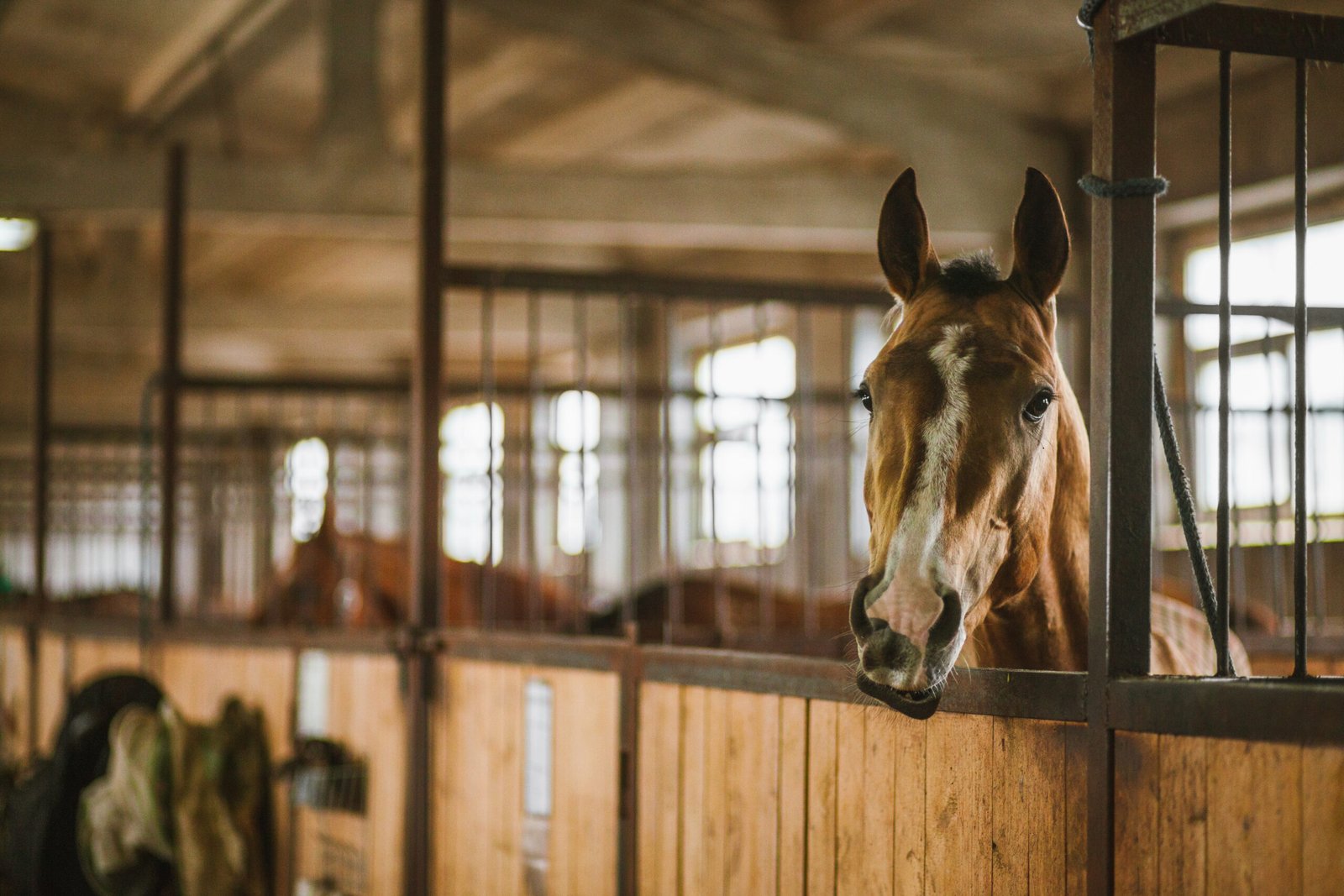
Equine influenza was detected in a yearling Quarter Horse gelding at a private facility in Dane County, Wisconsin, on May 14. The horse, who was not fully vaccinated, showed initial symptoms of a dry cough on May 11. He is currently in recovery and has been placed in quarantine.
EDCC Health Watch is a marketing program by Equine Network that uses data from the Equine Disease Communication Center (EDCC) to produce and distribute verified equine disease reports. The EDCC is a nonprofit organization supported by industry donations to provide accessible infectious disease information.
About Equine Influenza
Equine influenza is a highly contagious respiratory illness that affects horses, ponies, and other equids like donkeys, mules, and zebras. The virus spreads through saliva and respiratory secretions of infected horses, commonly through horse-to-horse contact, aerosol transmission, and contact with contaminated humans, equipment, or tack.
Symptoms of equine influenza include high fever, dry cough, depression, weakness, nasal discharge, and enlarged lymph nodes. Monitoring your horse’s health at shows by checking its temperature daily can help detect infections early and prevent disease spread.
Vaccination is a crucial and cost-effective method to protect your horse. US Equestrian mandates equine influenza vaccination within six months before participating in sanctioned events. Consult your vet for other beneficial vaccines for your horse.
Aside from vaccination, implementing strict biosecurity measures like quarantining new arrivals, disinfecting equipment, and preventing direct horse contact can reduce the risk of infection and disease.