Close Menu
  • DIY Projects
  • Home Decor
  • Beauty Products
  • Pets Training
  • Interior Design
  • Pets
  • Pet Care Tips
What's Hot

Modern Family’s ‘Claire and Phil’ Gave Me Parenting Advice

May 10, 2026

Conformation Clinic: Performance Horse Mares

May 10, 2026

The Happiest Animal in the World Is the Cutest Thing You’ll Ever See – Reader's Digest

May 10, 2026
Facebook X (Twitter) Instagram
  • Contact
  • Privacy policy
  • Terms & Conditions
Facebook X (Twitter) Instagram Pinterest VKontakte
  • DIY Projects
  • Home Decor
  • Beauty Products
  • Pets Training
  • Interior Design
  • Pets
  • Pet Care Tips
Home»Pets Training»Avoid Frostbite
Pets Training

Avoid Frostbite

July 19, 2024No Comments2 Mins Read
Facebook Twitter Pinterest LinkedIn Tumblr Email
Share
Facebook Twitter LinkedIn Pinterest Email

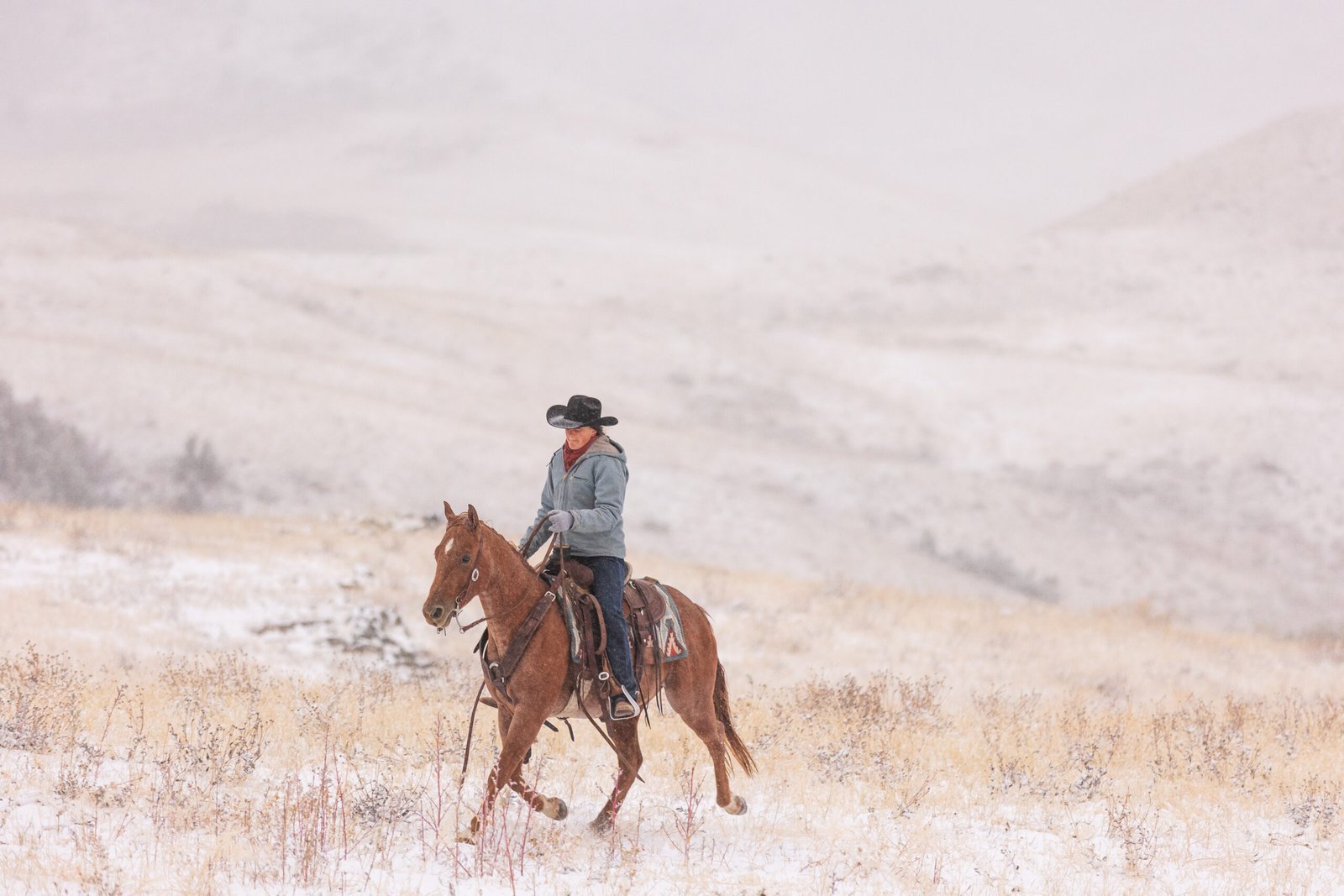
If you’re planning on riding during the winter, it’s important to take precautions to stay warm and healthy, especially in cold weather. Frostbite and hypothermia can occur even at temperatures as high as 40 degrees Fahrenheit, and wind chill from riding at a trot or lope/canter can make it even worse.

If you start to feel numbness or waxy skin on your face or other exposed areas, such as hands or wrists, it’s crucial to stop and seek shelter. Check on your riding buddies regularly for signs of frostbite, like white or yellowish spots on their faces. Avoid wearing metal jewelry or accessories next to your skin, as they can freeze and increase the risk of frostbite.


Take precautions in cold weather riding to stay safe. Terri Cage/adobe.stock.com

Here are 5 other tips to mitigate cold weather risks:

  1. Dress Appropriately: Layer up with warm clothing and opt for moisture-wicking materials to stay dry. Avoid tight clothing that restricts circulation and don’t forget to protect your extremities with insulated gloves, hats, and warm socks.
  2. Protect Your Horse’s Extremities: Make sure your horse’s legs are well-insulated with leg wraps or boots to prevent frostbite. Consider using snow pads for shod horses to prevent snow and ice buildup.
  3. Limit Exposure to Cold and Wet Conditions: It’s best to avoid riding in extreme weather, especially when it’s windy, rainy, and cold. If the weather is severe, consider rescheduling your ride or finding an indoor alternative.
  4. Regularly Check for Signs of Frostbite: Conduct daily inspections of your extremities, looking for any redness, swelling, or discoloration that could indicate frostbite.
  5. Provide Shelter and Protection: Ensure your horse has access to suitable shelter during breaks or when not in use to protect them from harsh weather conditions and reduce the risk of frostbite.

[Horse Soundness Do’s and Don’ts]

Avoid Frostbite
Share. Facebook Twitter Pinterest LinkedIn Tumblr Email

Related Posts

Conformation Clinic: Performance Horse Mares

May 10, 2026

2 New Hampshire Horses Test Positive for Strangles

May 8, 2026

Quick Tips For Road Trip ‘Purrfection’ With Your Cat

May 4, 2026

Manitoba Horse Tests Positive for EIA

May 2, 2026
Add A Comment
Leave A Reply Cancel Reply

Editors Picks

Modern Family’s ‘Claire and Phil’ Gave Me Parenting Advice

May 10, 2026

Conformation Clinic: Performance Horse Mares

May 10, 2026

The Happiest Animal in the World Is the Cutest Thing You’ll Ever See – Reader's Digest

May 10, 2026

The Link Up: Em’s “Invisibly Soft” Affordable Underwear, Arlyn’s Transformative Shower Head, And Two Great Sales

May 10, 2026
Top Post

Revisiting A 2013 Project, DesignLoveFest’s Apartment (+ What I Think About It Now)

DIY Projects For A Glamorous Home

The Best New Spring Denim I’m Really Really Into (And Everything Is Comfortable)

Facebook X (Twitter) Instagram Pinterest Vimeo YouTube
  • Contact
  • Privacy policy
  • Terms & Conditions
© 2026 Doorpicker.com - All rights reserved.

Type above and press Enter to search. Press Esc to cancel.