Close Menu
  • DIY Projects
  • Home Decor
  • Beauty Products
  • Pets Training
  • Interior Design
  • Pets
  • Pet Care Tips
What's Hot

Cute pet names for your little princess – The Times of India

April 20, 2026

Over puppy yoga? Try it with snakes. – NPR

April 19, 2026

The Link Up: Em’s Throw-On-And-Go Cool Pants, Mal’s Outdoor Pillow That Make Her Life Better, And Our “No Sun” Tanning Hacks

April 19, 2026
Facebook X (Twitter) Instagram
  • Contact
  • Privacy policy
  • Terms & Conditions
Facebook X (Twitter) Instagram Pinterest VKontakte
  • DIY Projects
  • Home Decor
  • Beauty Products
  • Pets Training
  • Interior Design
  • Pets
  • Pet Care Tips
Home»Pet Care Tips»Equine Influenza Case Confirmed in Montana
Pet Care Tips

Equine Influenza Case Confirmed in Montana

March 9, 2026No Comments2 Mins Read
Facebook Twitter Pinterest LinkedIn Tumblr Email
Share
Facebook Twitter LinkedIn Pinterest Email

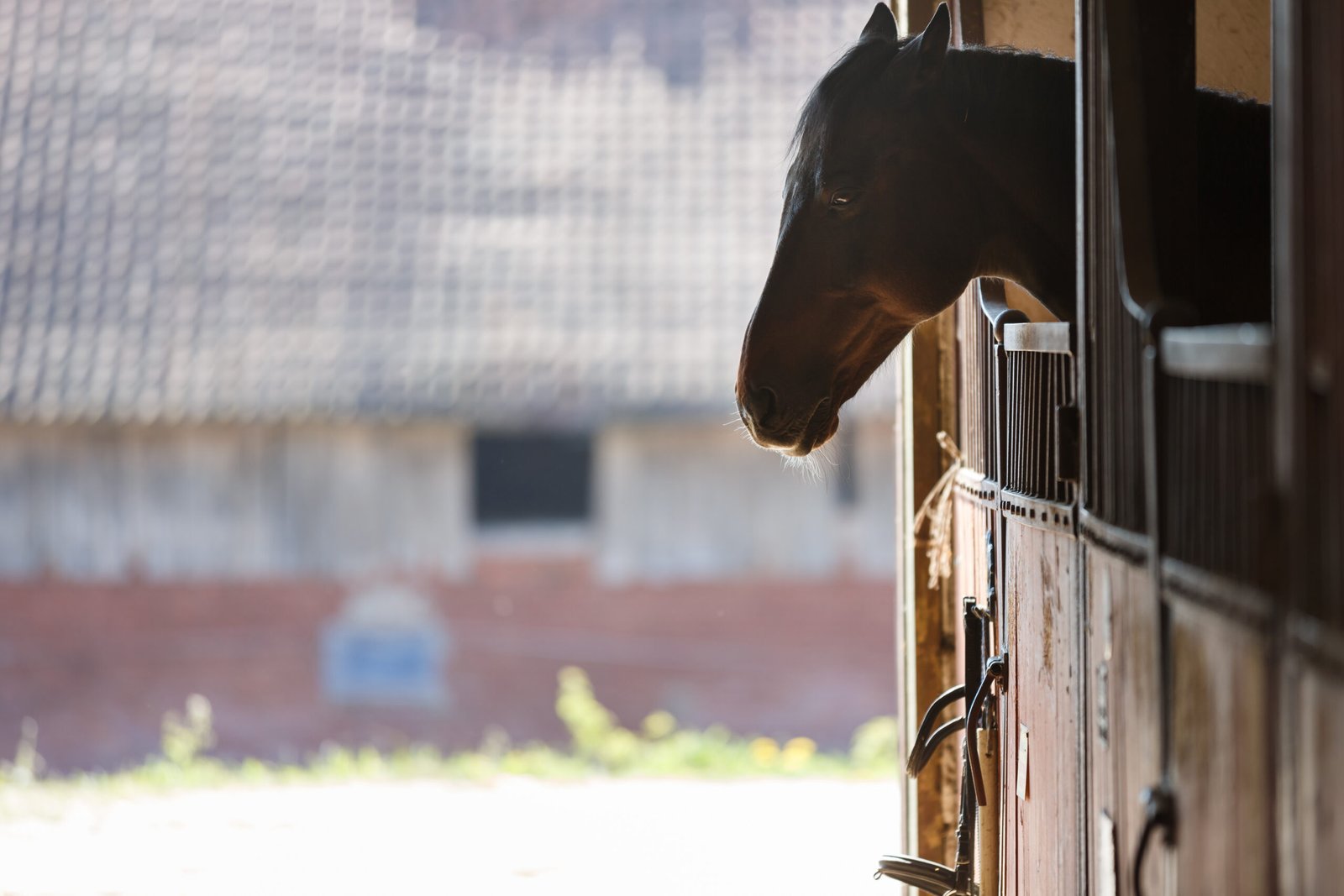
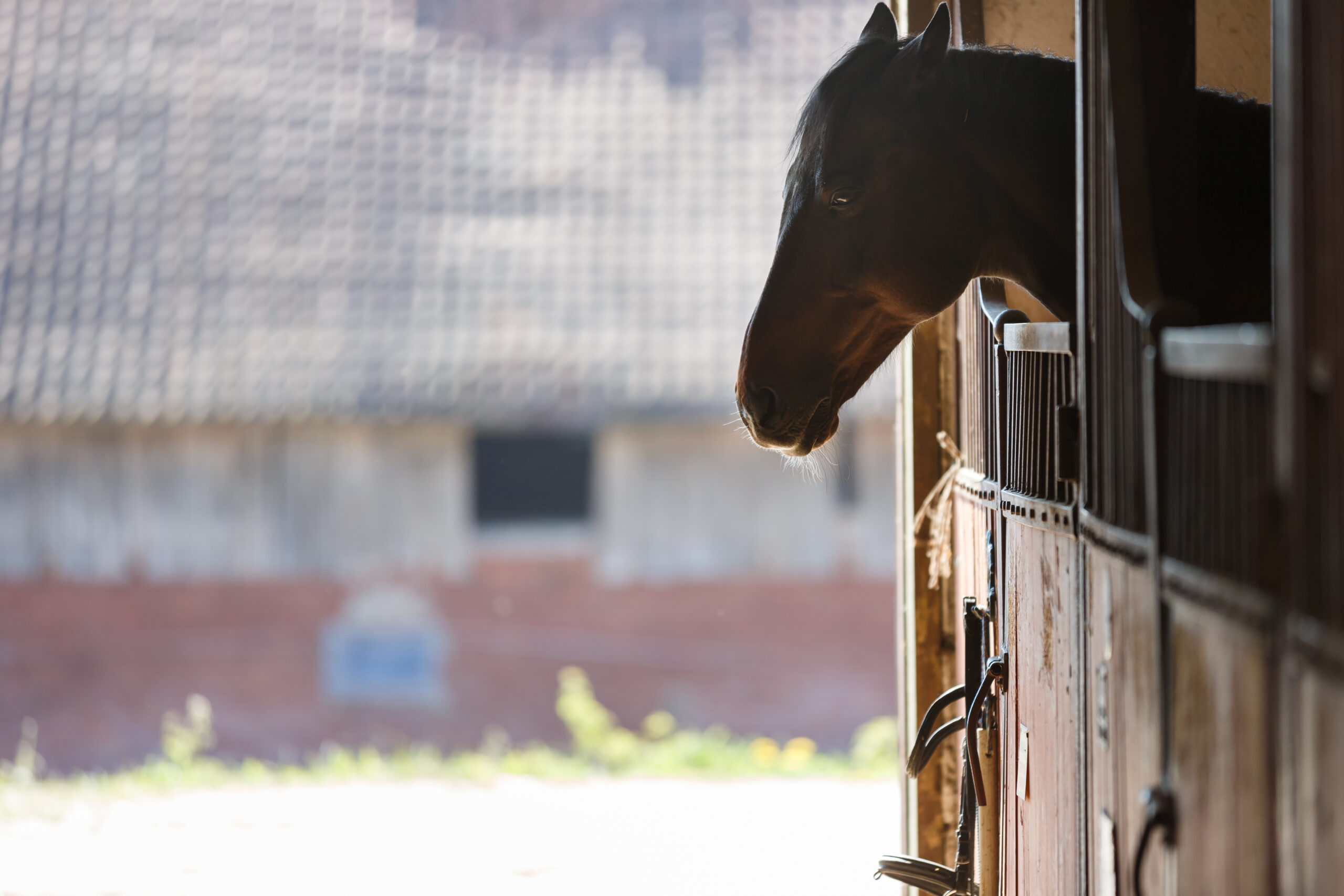
Equine influenza has been detected in a horse in Gallatin County, Montana, leading to the horse being placed in quarantine.

EDCC Health Watch, a program by Equine Network, leverages information from the Equine Disease Communication Center (EDCC) to generate and circulate authenticated equine disease updates. The EDCC is a nonprofit organization that relies on industry contributions to provide accessible infectious disease information.

Understanding Equine Influenza

Equine influenza is a highly contagious respiratory illness that affects horses, ponies, and other equids like donkeys, mules, and zebras. The virus responsible for this disease spreads through saliva and respiratory secretions from infected horses. Common transmission routes include direct horse-to-horse contact, aerosol transmission from coughing and sneezing, and contact with contaminated hands, gear, or equipment.

Symptoms of equine influenza may include a high fever, dry cough, lethargy, weakness, loss of appetite, nasal discharge, and swollen lymph nodes. Monitoring your horse’s health, especially at events, by checking its temperature daily can assist in early detection and appropriate action to prevent disease spread.

Vaccination is a crucial and cost-effective method to safeguard your horse. US Equestrian mandates proof of equine influenza vaccination within six months before attending sanctioned events. Consult your vet to determine additional vaccines that may benefit your horse.

Implementing rigorous biosecurity measures alongside vaccination can decrease the risk of infection and disease in your horse. These measures include isolating new equine arrivals, disinfecting equipment, and preventing direct contact between horses.

Case Confirmed Equine Influenza Montana
Share. Facebook Twitter Pinterest LinkedIn Tumblr Email

Related Posts

$1.5M Mare Reys Desire Produces Stars on Every Cutting Stage

April 17, 2026

Kody Ward’s Ranch Sorting Bit Guide 

April 17, 2026

New Jersey Warmblood Confirmed Positive for EHM

April 16, 2026

Hazardouz Material Surpasses $490K, Becomes Metallic Cat’s Top-Earning Stallion

April 16, 2026
Add A Comment
Leave A Reply Cancel Reply

Editors Picks

Cute pet names for your little princess – The Times of India

April 20, 2026

Over puppy yoga? Try it with snakes. – NPR

April 19, 2026

The Link Up: Em’s Throw-On-And-Go Cool Pants, Mal’s Outdoor Pillow That Make Her Life Better, And Our “No Sun” Tanning Hacks

April 19, 2026

Fact Check: 'Dogs Choose The Humans' Videos Are Fake — Made By AI Tools – Yahoo

April 19, 2026
Top Post

This Adorable Pet Tent Is Perfect for Cozy Season – AOL.com

Why Do Cats Sleep With Their Eyes Open?

How To Train My Pet Dragon?

Facebook X (Twitter) Instagram Pinterest Vimeo YouTube
  • Contact
  • Privacy policy
  • Terms & Conditions
© 2026 Doorpicker.com - All rights reserved.

Type above and press Enter to search. Press Esc to cancel.