
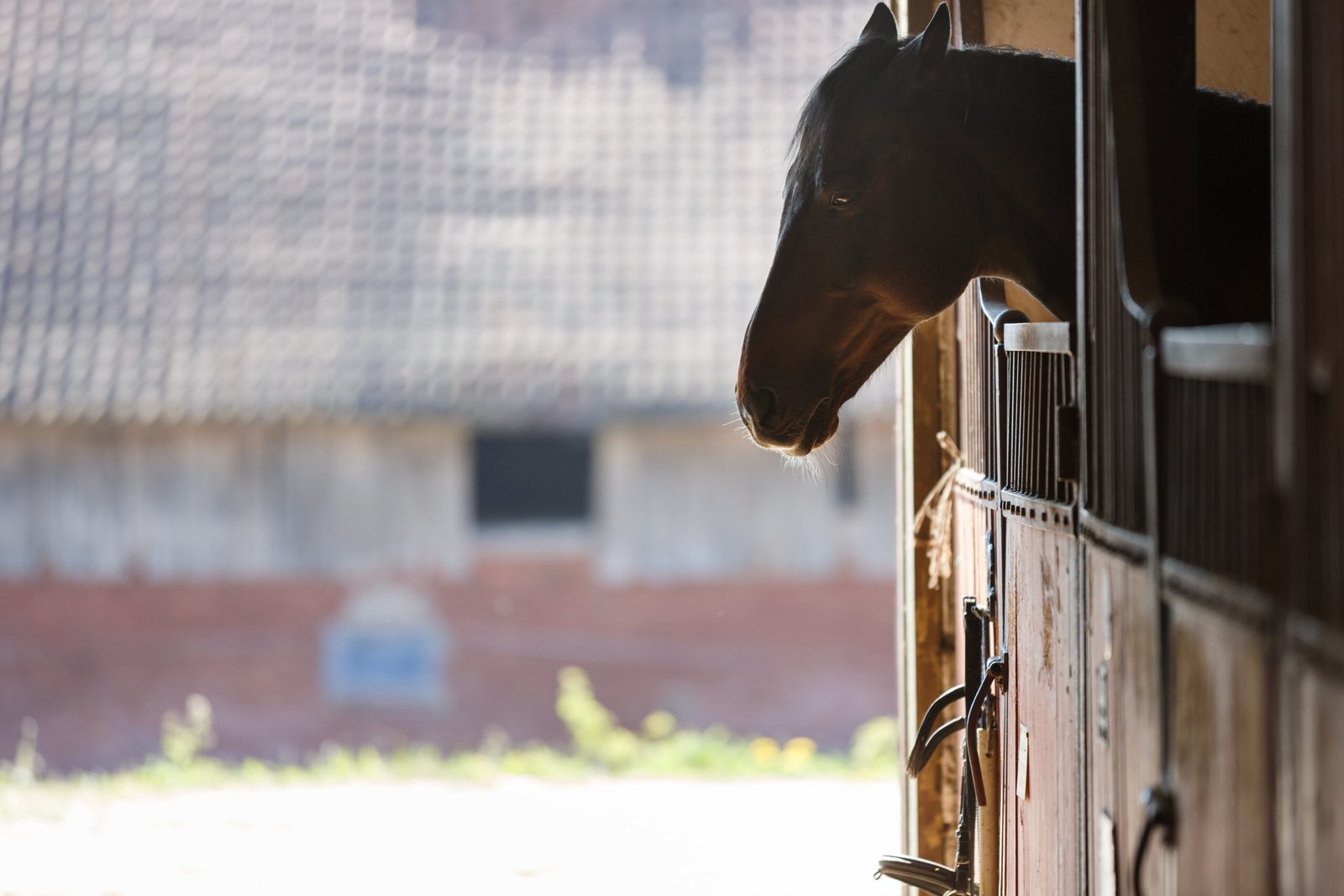
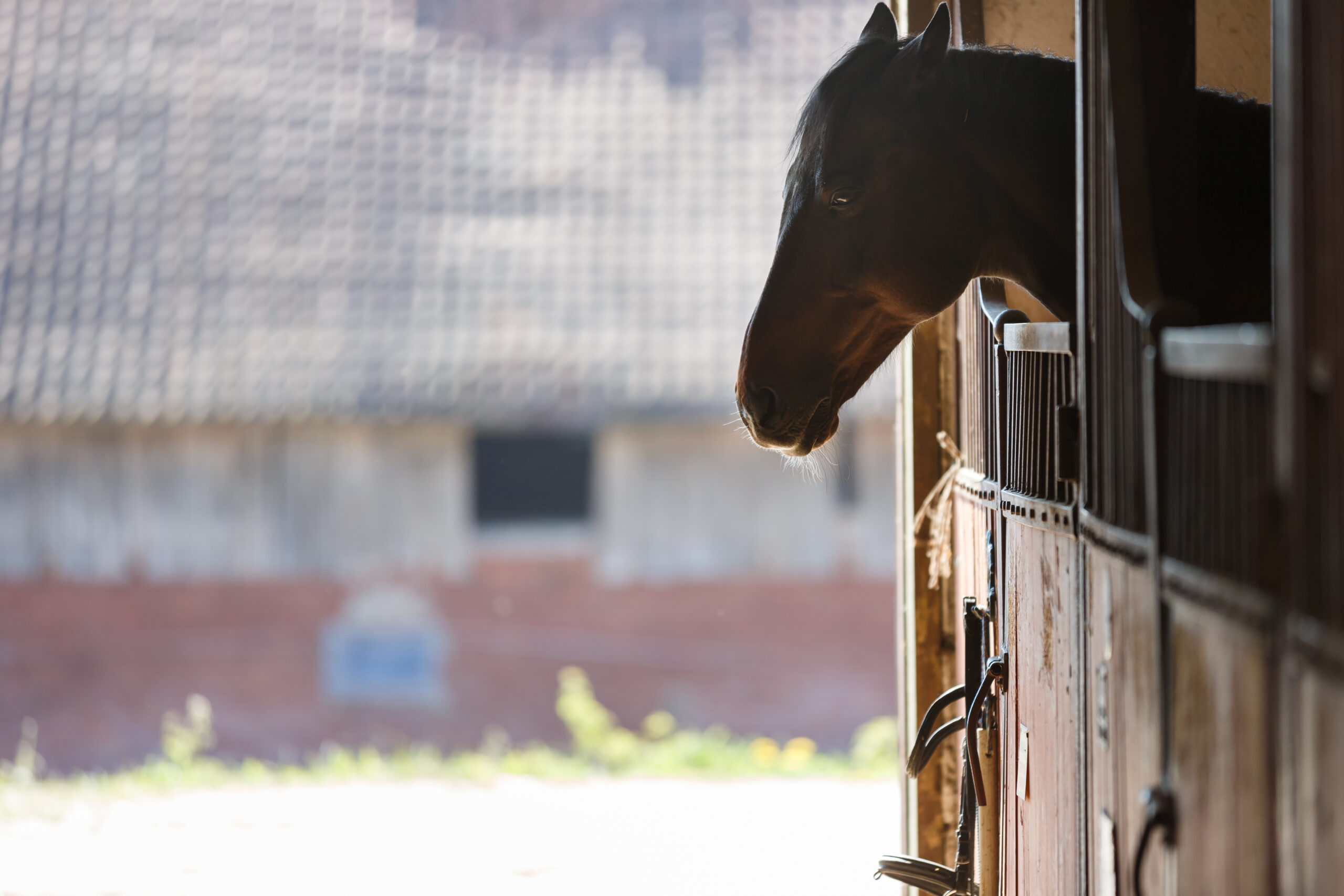
An 8-year-old Quarter Horse mare at a boarding facility in Ellis County, Kansas, was diagnosed with equine influenza on March 13. The mare showed symptoms on March 8, including fever, lethargy, nasal discharge, anorexia, and cough. She is currently on the road to recovery.
EDCC Health Watch is a program by Equine Network that utilizes information from the Equine Disease Communication Center (EDCC) to provide verified equine disease reports. The EDCC is a nonprofit organization supported by industry donations to offer accessible infectious disease information.
Understanding Equine Influenza
Equine influenza is a highly contagious respiratory disease that affects horses, ponies, and other equids like donkeys, mules, and zebras. The virus spreads through saliva and respiratory secretions, horse-to-horse contact, aerosol transmission, and contact with contaminated items or humans.
Clinical signs of equine influenza include high fever, cough, depression, weakness, nasal discharge, and enlarged lymph nodes. Monitoring your horse’s health, vaccination, and implementing biosecurity measures are crucial for disease prevention.
Vaccination is an effective way to protect your horse from equine influenza. US Equestrian mandates proof of vaccination within six months prior to attending competitions. Consult your vet for vaccination recommendations and follow biosecurity protocols to reduce infection risk.