Close Menu
  • DIY Projects
  • Home Decor
  • Beauty Products
  • Pets Training
  • Interior Design
  • Pets
  • Pet Care Tips
What's Hot

Massachusetts’ Edilon ‘Cowboy’ Mariano and Alyson Oliveira Win Professional’s Choice #9 Gold Shootout at Cinch RSNC Pennsylvania Ranch Sorting 

April 27, 2026

China’s viral ‘seven dogs’ story not heartwarming, turns out to be fake – The Tribune

April 27, 2026

Birdie’s New Tween Girl Wall Color (Bye Bye Butterflly Wallpaper)

April 27, 2026
Facebook X (Twitter) Instagram
  • Contact
  • Privacy policy
  • Terms & Conditions
Facebook X (Twitter) Instagram Pinterest VKontakte
  • DIY Projects
  • Home Decor
  • Beauty Products
  • Pets Training
  • Interior Design
  • Pets
  • Pet Care Tips
Home»Pet Care Tips»Kansas Quarter Horse Tests Positive for Equine Influenza
Pet Care Tips

Kansas Quarter Horse Tests Positive for Equine Influenza

March 16, 2026No Comments1 Min Read
Facebook Twitter Pinterest LinkedIn Tumblr Email
Share
Facebook Twitter LinkedIn Pinterest Email

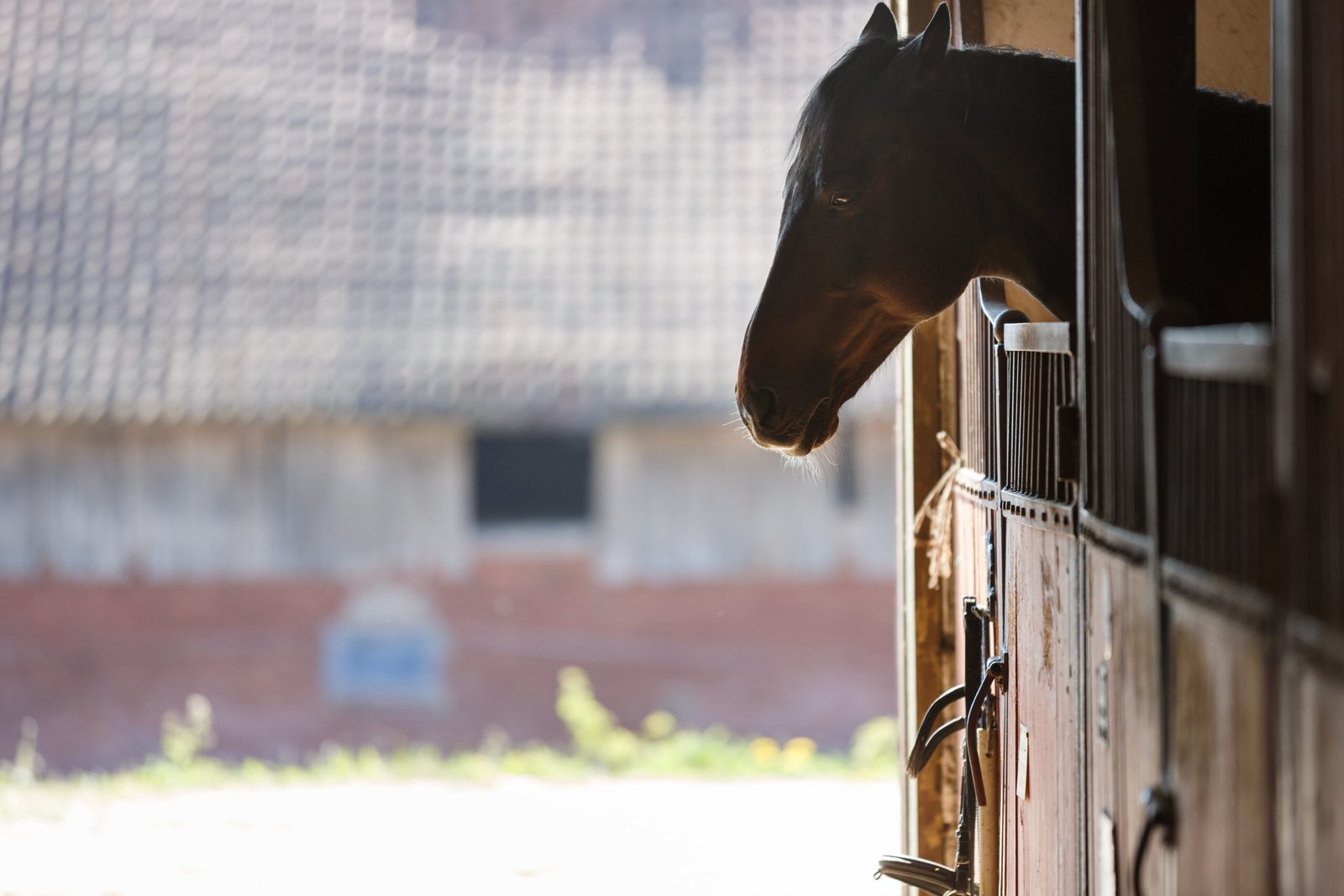
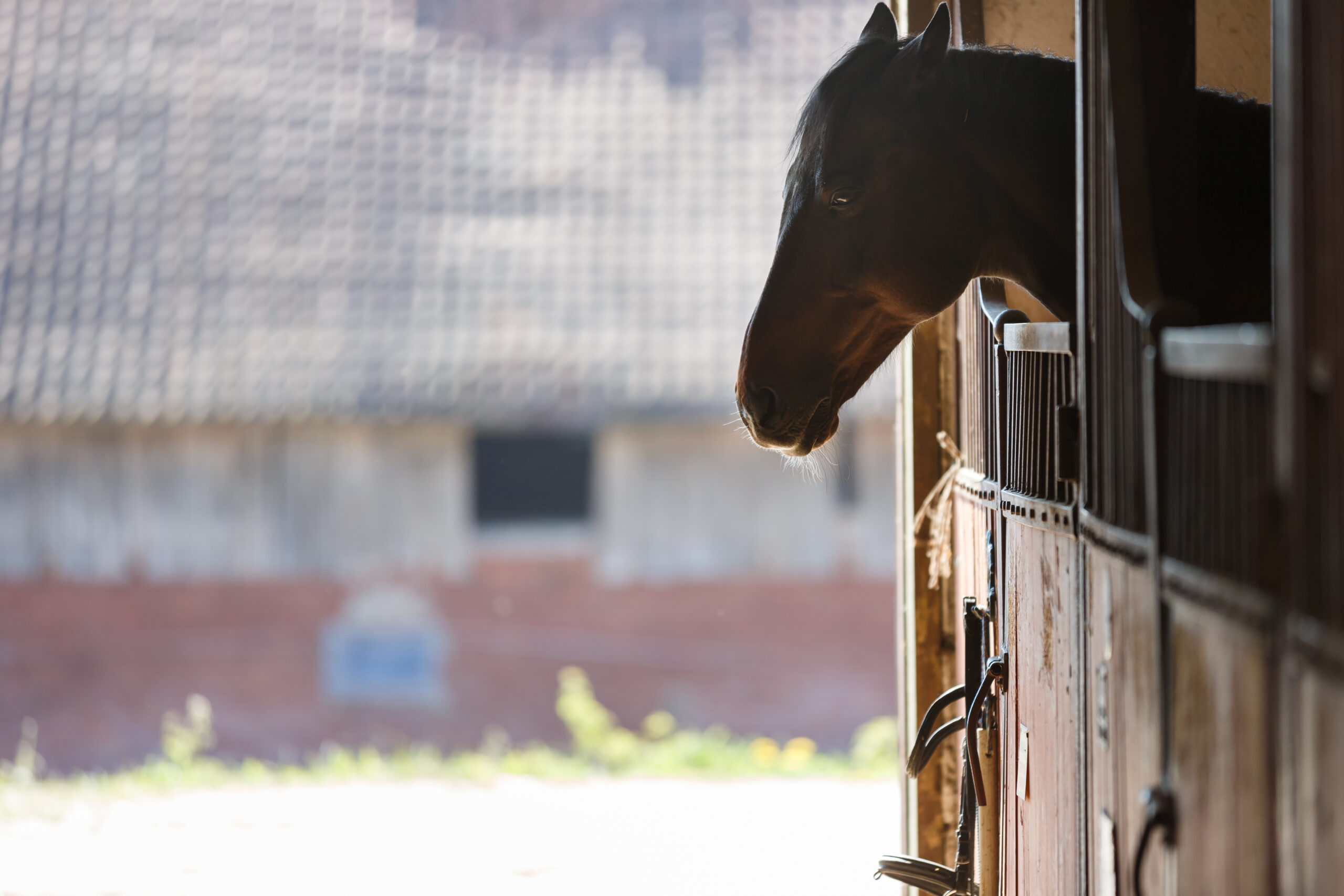
An 8-year-old Quarter Horse mare at a boarding facility in Ellis County, Kansas, was diagnosed with equine influenza on March 13. The mare showed symptoms on March 8, including fever, lethargy, nasal discharge, anorexia, and cough. She is currently on the road to recovery.

EDCC Health Watch is a program by Equine Network that utilizes information from the Equine Disease Communication Center (EDCC) to provide verified equine disease reports. The EDCC is a nonprofit organization supported by industry donations to offer accessible infectious disease information.

Understanding Equine Influenza

Equine influenza is a highly contagious respiratory disease that affects horses, ponies, and other equids like donkeys, mules, and zebras. The virus spreads through saliva and respiratory secretions, horse-to-horse contact, aerosol transmission, and contact with contaminated items or humans.

Clinical signs of equine influenza include high fever, cough, depression, weakness, nasal discharge, and enlarged lymph nodes. Monitoring your horse’s health, vaccination, and implementing biosecurity measures are crucial for disease prevention.

Vaccination is an effective way to protect your horse from equine influenza. US Equestrian mandates proof of vaccination within six months prior to attending competitions. Consult your vet for vaccination recommendations and follow biosecurity protocols to reduce infection risk.

Equine Horse Influenza Kansas Positive Quarter Tests
Share. Facebook Twitter Pinterest LinkedIn Tumblr Email

Related Posts

2 Wisconsin Fillies Test Positive for Strangles

April 24, 2026

From the Cutting Pen to the Barrel Pattern: Missy Jean Etheridge is Running For $2 Million

April 24, 2026

2 Strangles Cases Confirmed at Colorado Boarding Facility

April 23, 2026

The Ride Podcast Ep. 133: Ben Beckett and Qualifying for The Run For A Million

April 23, 2026
Add A Comment
Leave A Reply Cancel Reply

Editors Picks

Massachusetts’ Edilon ‘Cowboy’ Mariano and Alyson Oliveira Win Professional’s Choice #9 Gold Shootout at Cinch RSNC Pennsylvania Ranch Sorting 

April 27, 2026

China’s viral ‘seven dogs’ story not heartwarming, turns out to be fake – The Tribune

April 27, 2026

Birdie’s New Tween Girl Wall Color (Bye Bye Butterflly Wallpaper)

April 27, 2026

This Elderly Blind Dog Immediately Recognized Its Foster Parent, Quickly Causing The Hearts Of Everyone On The Internet To Melt – TwistedSifter

April 27, 2026
Top Post

Why Does My Dog Smell So Bad? 7 Verified Reasons & Helpful Tips – Dogster

Paws And Cuddles: Cute Pet Adventures

Essential Pet Care Tips For First-Time Pet Owners

Facebook X (Twitter) Instagram Pinterest Vimeo YouTube
  • Contact
  • Privacy policy
  • Terms & Conditions
© 2026 Doorpicker.com - All rights reserved.

Type above and press Enter to search. Press Esc to cancel.