
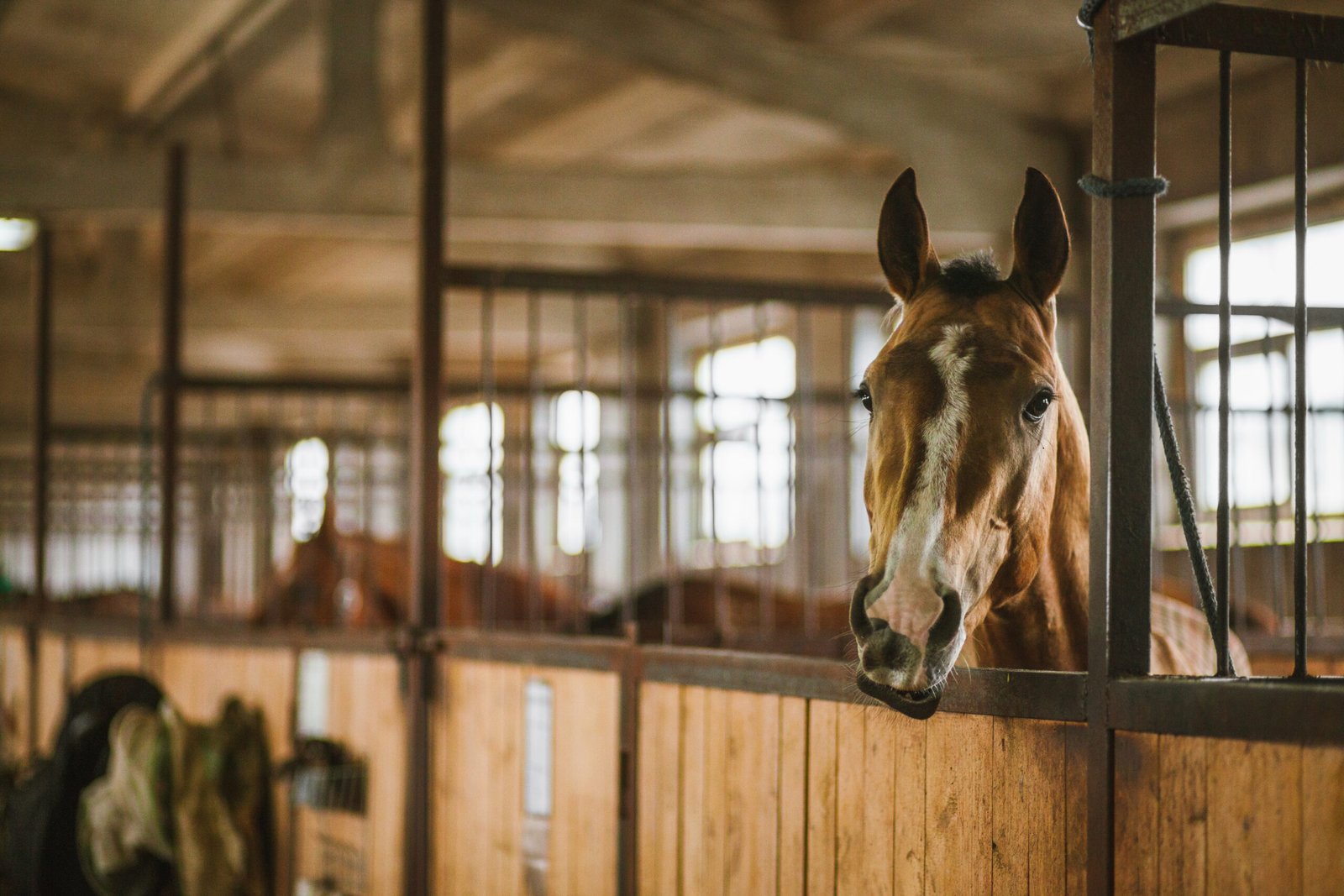
On April 30, a horse in Minitonas-Bowsman, Manitoba, was found to have tested positive for equine infectious anemia (EIA). The horse had undergone testing at the owner’s request for export purposes and did not display any clinical signs at the time of testing.
Movement restrictions have been implemented for the infected horse and any other animals that may have been exposed. Reports suggest that there are multiple other horses on the affected property.
EDCC Health Watch is a marketing program by Equine Network that uses information from the Equine Disease Communication Center (EDCC) to produce and distribute verified equine disease updates. The EDCC is a nonprofit organization independent of industry support, dedicated to offering accessible infectious disease information.
Understanding EIA
Equine infectious anemia is a viral illness that targets horses’ immune systems. The virus spreads through the exchange of bodily fluids from an infected to an uninfected animal, often via blood-feeding insects like horseflies. It can also be transmitted through the use of contaminated instruments or needles.
A Coggins test examines horses’ blood for antibodies that indicate the presence of the EIA virus. Most states in the U.S. mandate horses to have proof of a negative Coggins test for interstate travel.
Once a horse is infected with EIA, it remains infected for life and can act as a source for disease transmission. While not all horses display symptoms, those that do may experience:
- Gradual weight loss;
- Weakened muscles;
- Reduced endurance;
- Fever;
- Depression; and
- Anemia.
There is no vaccine or cure for EIA. An infected horse either succumbs to the disease, is euthanized, or must be isolated under stringent quarantine conditions (at least 200 yards away from unaffected horses) for life.