
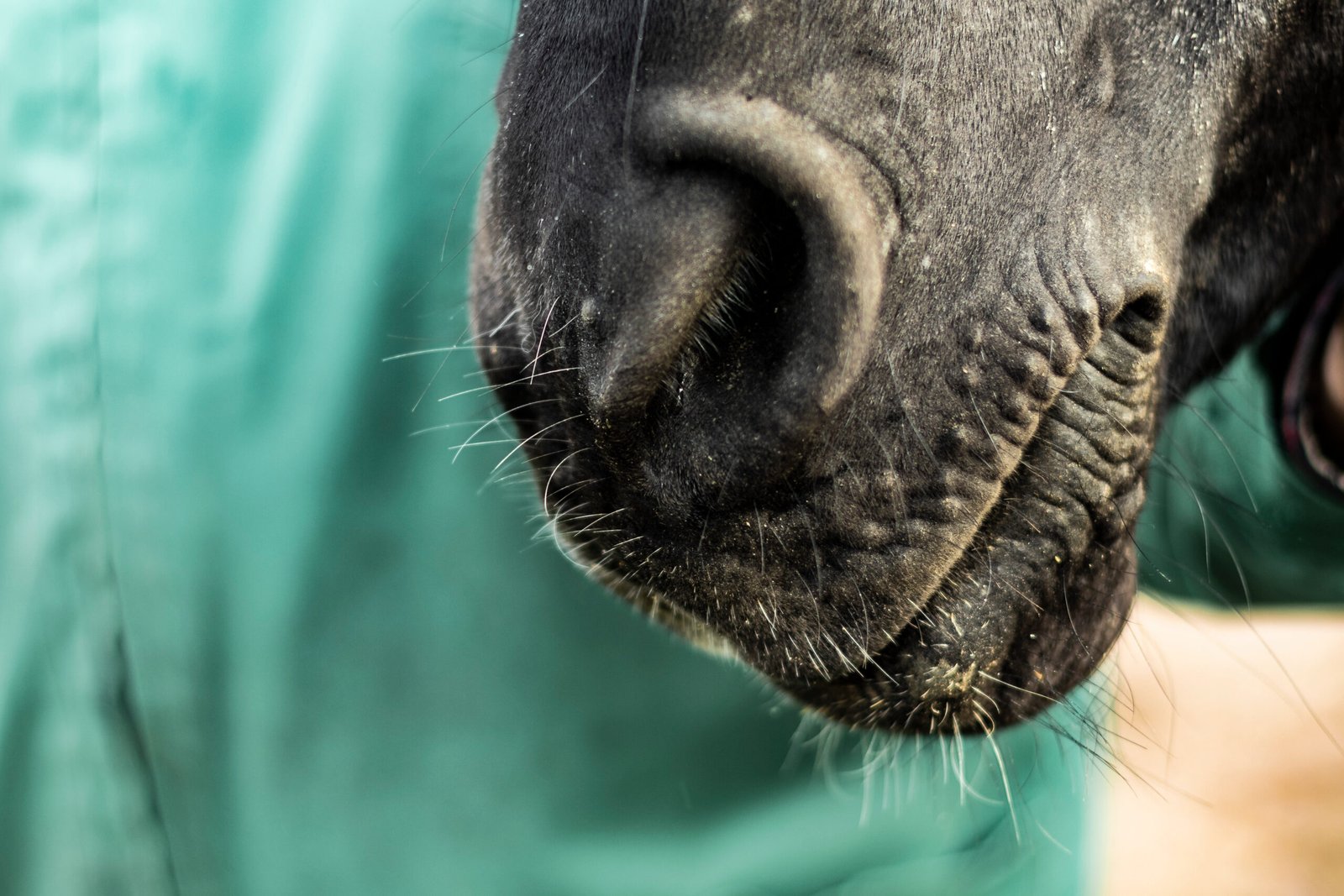

A draft horse gelding, 15 years old, in Dufferin County, Ontario, has been diagnosed with strangles. Clinical signs appeared on Jan. 27, with the horse showing white discharge from both nostrils and a high fever.
Two weeks prior to the onset of clinical signs in this horse, a new horse had arrived at the farm. The new horse displayed unusual behavior and was isolated just before the affected horse fell ill.
EDCC Health Watch is a marketing program of the Equine Network that utilizes data from the Equine Disease Communication Center (EDCC) to produce and distribute verified equine disease reports. The EDCC is a nonprofit organization independent of industry donations that offers open access to information on infectious diseases.
About Strangles
Strangles in horses is an infection caused by Streptococcus equi subspecies equi and is transmitted through direct contact with other equids or contaminated surfaces. Even asymptomatic horses can carry and spread the bacteria, with recovered horses remaining contagious for at least six weeks, potentially leading to long-term outbreaks.
Signs of infection in horses can include:
- Fever
- Swollen and/or abscessed lymph nodes
- Nasal discharge
- Coughing or wheezing
- Muscle swelling
- Difficulty swallowing
Veterinarians typically diagnose cases using polymerase chain reaction (PCR) testing with nasal swabs, washes, or abscess samples. Treatment is usually based on clinical signs, with antibiotics prescribed for severe cases. Excessive antibiotic use can hinder the development of immunity in infected horses. Most horses recover fully within three to four weeks.
Although a vaccine is available, its effectiveness can vary. Implementing biosecurity measures such as quarantining new horses and maintaining strict hygiene protocols, including surface disinfection, can help reduce the risk of outbreaks or contain them if they occur. Learn more about how to protect your horse from strangles here.