Close Menu
  • DIY Projects
  • Home Decor
  • Beauty Products
  • Pets Training
  • Interior Design
  • Pets
  • Pet Care Tips
What's Hot

35 Inspiring Rescue Stories From 35 Years of PETA – PETA

April 17, 2026

Kody Ward’s Ranch Sorting Bit Guide 

April 17, 2026

New Jersey Warmblood Confirmed Positive for EHM

April 16, 2026
Facebook X (Twitter) Instagram
  • Contact
  • Privacy policy
  • Terms & Conditions
Facebook X (Twitter) Instagram Pinterest VKontakte
  • DIY Projects
  • Home Decor
  • Beauty Products
  • Pets Training
  • Interior Design
  • Pets
  • Pet Care Tips
Home»Pets Training»Ontario Foal Tests Positive for Strangles
Pets Training

Ontario Foal Tests Positive for Strangles

February 3, 2026No Comments2 Mins Read
Facebook Twitter Pinterest LinkedIn Tumblr Email
Share
Facebook Twitter LinkedIn Pinterest Email

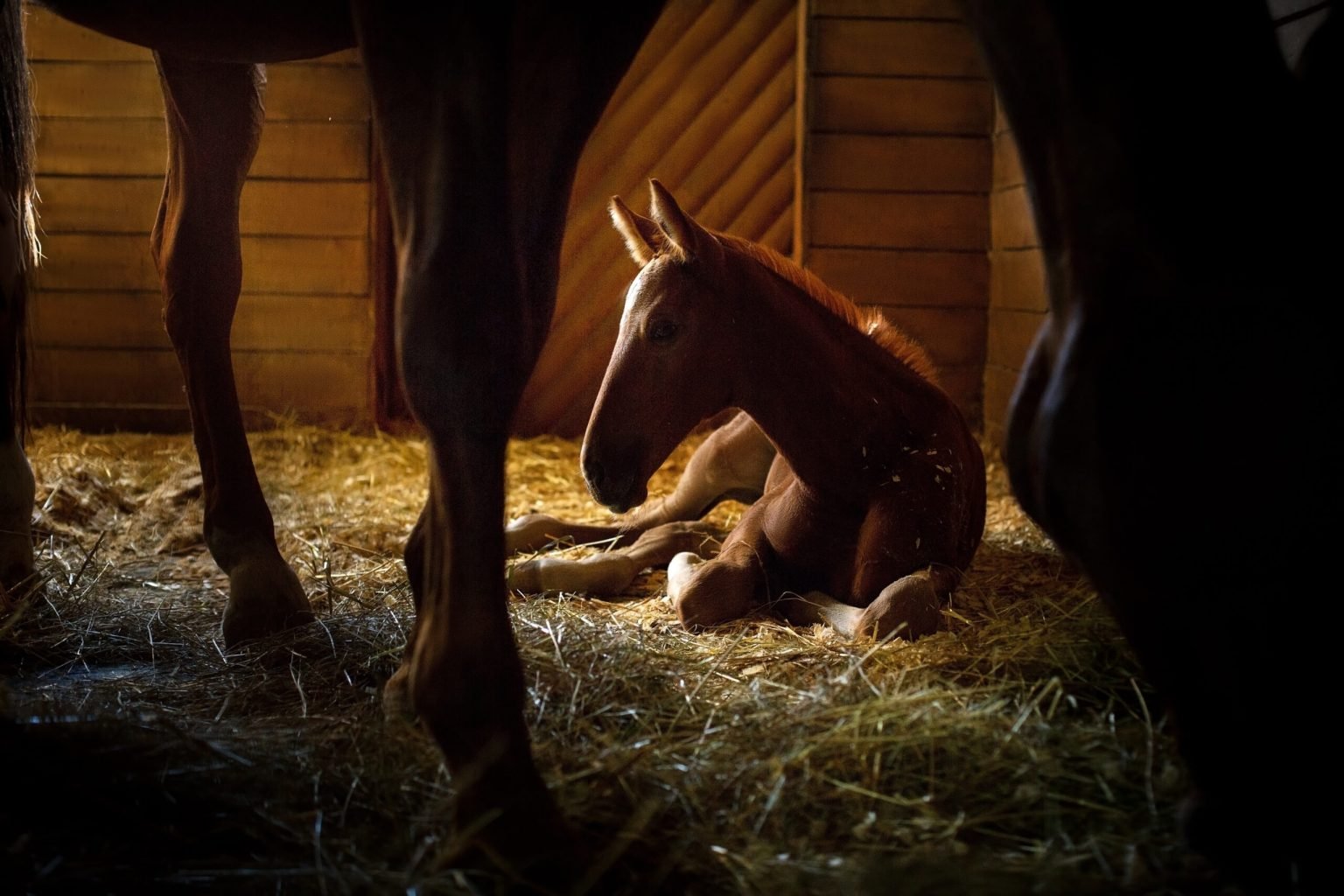
A draft cross filly in the United Counties of Stormont, Dundas, and Glengarry, Ontario, has been diagnosed with strangles. The filly showed symptoms on Jan. 19, including fever, nasal discharge, and a swollen lymph node.

The filly and her dam were purchased from a sale a week before the filly started showing symptoms. The mare also had mild nasal discharge and is suspected to have strangles as well.

EDCC Health Watch is a program by Equine Network that uses information from the Equine Disease Communication Center (EDCC) to provide verified equine disease reports. The EDCC is a nonprofit organization supported by industry donations to offer accessible infectious disease information.

Understanding Strangles

Strangles in horses is caused by the bacteria Streptococcus equi subspecies equi and spreads through direct contact or contaminated surfaces. Infected horses can spread the bacteria even without showing symptoms, and recovered horses can remain contagious for up to six weeks, potentially leading to outbreaks in the long term.

Common clinical signs of strangles include:

  • Fever
  • Swollen or abscessed lymph nodes
  • Nasal discharge
  • Coughing or wheezing
  • Muscle swelling
  • Difficulty swallowing

Veterinarians diagnose strangles using PCR testing with samples from nasal swabs, washes, or abscesses. Treatment is usually based on clinical signs, with antibiotics prescribed for severe cases. Overusing antibiotics can hinder the horse’s immunity development. Most horses recover fully within three to four weeks.

Although a vaccine is available, its effectiveness varies. Implementing biosecurity measures such as quarantining new horses and maintaining high hygiene standards can help reduce the risk of outbreaks or contain them when they occur.

Foal Ontario Positive Strangles Tests
Share. Facebook Twitter Pinterest LinkedIn Tumblr Email

Related Posts

New Jersey Warmblood Confirmed Positive for EHM

April 16, 2026

2025 National Reining Breeder’s Classic Results

April 15, 2026

Strangles Case Confirmed at Private Wisconsin Facility

April 15, 2026

From Brain Lesion to NCHA Champion

April 14, 2026
Add A Comment
Leave A Reply Cancel Reply

Editors Picks

35 Inspiring Rescue Stories From 35 Years of PETA – PETA

April 17, 2026

Kody Ward’s Ranch Sorting Bit Guide 

April 17, 2026

New Jersey Warmblood Confirmed Positive for EHM

April 16, 2026

Five Below's $5 Pet Cuddler Bed Offers Cozy Comfort for Your Furry Friend – AOL.com

April 16, 2026
Top Post

The Link Up: Em’s Go-To Stocking Stuffers, The Tights Cailtin Swears By, And A Great Gift Idea For The Chef In Your Life

113 Dog Instagram Captions to Use in Your Next Post

Calm Your Pet for Just $5 with This Effective Silicone Licking Mat – AOL.com

Facebook X (Twitter) Instagram Pinterest Vimeo YouTube
  • Contact
  • Privacy policy
  • Terms & Conditions
© 2026 Doorpicker.com - All rights reserved.

Type above and press Enter to search. Press Esc to cancel.