

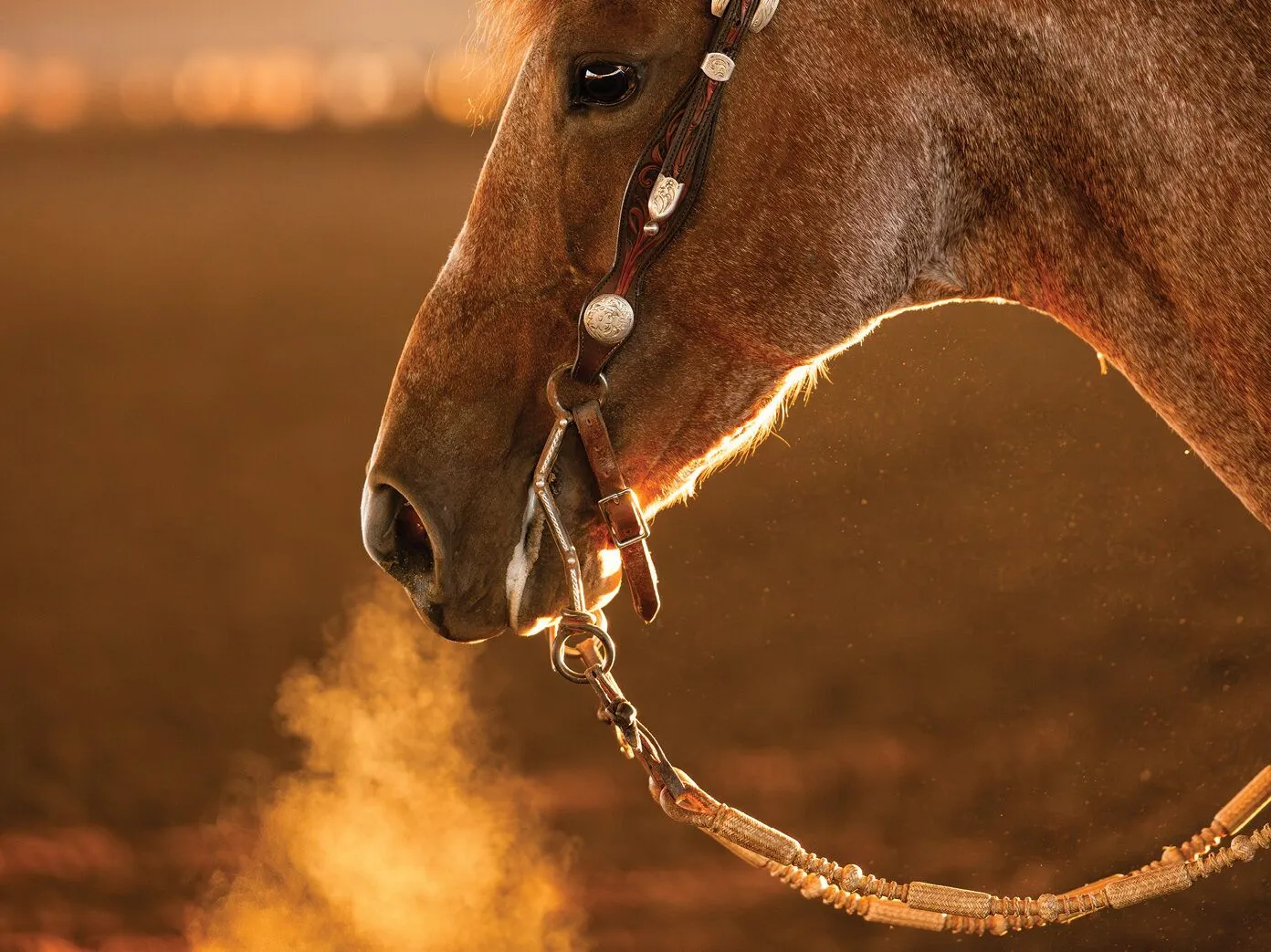
We’ve experienced it as horse owners—the sneezes, sniffles, and coughs that come from too much time indoors and not enough ventilation during the winter months. Our horses aren’t that different. With hay filled with dust and allergens, a lack of airflow in sheltered stable areas and poor bedding options, even horses without allergies or asthma can experience inflamed airways and respiratory symptoms.
Management Over Meds
Most veterinarians suggest working with your horse’s environment before turning to medication for management. Depending on the situation, your horse may need some additional support.
Flare-ups: For a horse with known asthma or that has a flare-up, your vet can provide systemic corticosteroids, like dexamethasone, to get control of inflammation quickly.
Maintenance: To manage symptoms in horses with known inflammation or a history of flare-ups, your vet may prescribe an inhaled corticosteroid, such as fluticasone.
Airflow improvement: Sometimes used alongside steroids, bronchodilators can be used to increase airflow while treating the inflammation and managing the environment.
Respiratory Health Tips
Keep the air moving. Barns without airflow are more humid, have more ammonia (from urine), and higher levels of carbon dioxide (from breathing). These are all respiratory irritants. Fans or vents can increase airflow.
Feed low-dust forage. Stored hay can collect dust and other particles that irritate your horse’s airway. By soaking or steaming his feed, you can reduce the impact. For extra sensitive horses, you can feed hay pellets.
Mind his stall. Dust and ammonia can cause respiratory inflammation, so choose dust-reduced wood shavings or shavings mixes over straw and remove wet bedding daily, even if it’s just picking out the wet spots.
Maximize fresh air time. Turnout decreases dust exposure and allows your horse to get fresh air. If possible, try to ride outside. If you only have an indoor, water the arena regularly to reduce dust while riding.
Vaccinate and separate. Like people, crowding and time indoors increase infection risk. Follow the AAEP’s risk-based vaccine guidelines for vaccinations, isolate new or sick horses, and clean equipment and tools regularly.
—H&R—