
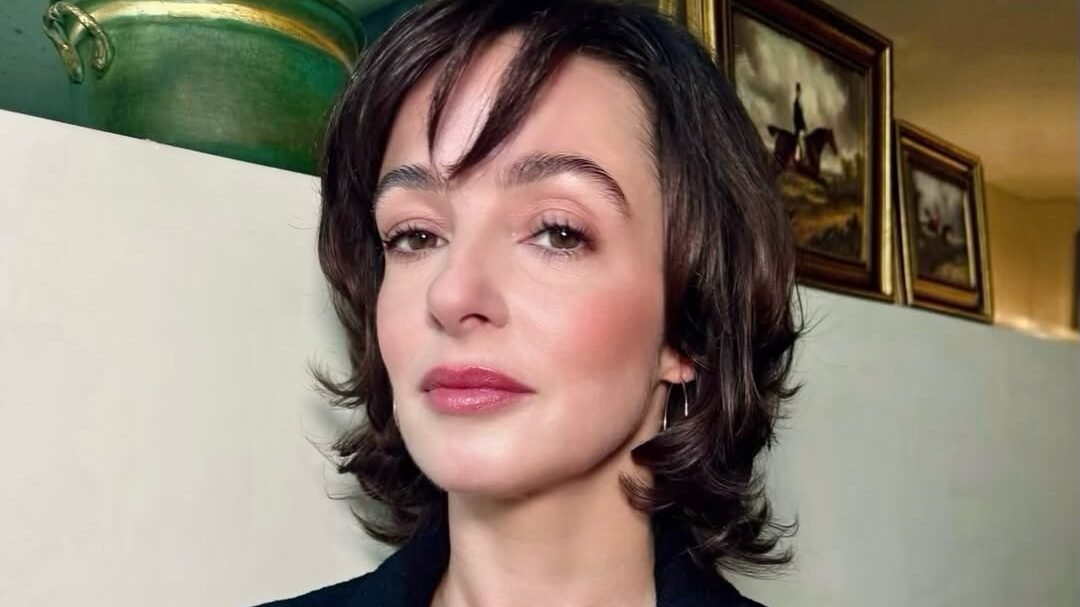
Blush is in a league of its own when it comes to makeup trends. With a variety of styles like sunset, sunburnt, boyfriend, babydoll, and ombré, the world of blush has seen it all—and the demand for more is only increasing. This year has made it clear that blush is meant to make a statement.
Introducing blush draping, a technique that uses color placement to achieve a flushed yet softly sculpted look. Celebrity makeup artist Christian Briceno describes it as similar to contouring, but with color instead of bronzer. The result falls between Rihanna’s bold 2017 Met Gala blush moment and today’s more wearable versions.
Here, two celebrity makeup artists delve into the trend, from its origins to the current modern interpretation.
Featured Experts
What Is Blush Draping?
Blush draping is a technique that uses intentional blush placement to shape and lift the face, similar to bronzer-based contouring but with a softer touch. “Like contouring, blush draping can enhance your facial features, but it looks more seamless and natural,” explains celebrity makeup artist Jamie Greenberg. While bold blush placement is not new, today’s approach focuses on creating a lifted, skin-forward finish rather than a heavy flush.
Briceno credits American makeup artist Way Bandy with the technique, who used bold sweeps of blush along the cheekbones and towards the temples in the 1970s to sculpt with color. Today’s version is more precise and intentional, aiming for lift by sweeping blush higher and wider across the cheekbone, even extending towards the temples or blending into the eye area.
What Formulas Work Best?
If you’re a blush enthusiast, you likely have a range of formulas at your disposal—and for draping, you have choices. “Cream and liquid blushes are the best options as they blend easily and provide a skin-like appearance,” says Greenberg. “But powder can also work, as long as it’s buildable.”
The ideal formula depends on the desired finish. “Liquid blush creates a more editorial drape, while cream-to-powder formulas offer a softly blurred look with a matte finish,” notes Briceno.
For a more intense flush, Briceno recommends ultra-fine powders. “They provide a clean gradient from cheekbone to temple and help blur imperfections in textured and oily skin,” he explains. The finish is also crucial, as dewy or ultra-shimmery blushes might not work well with this technique. “Extra-creamy or glittery formulas can slide, crease, and turn your sculpt into a hot spot instead of a softly lifted flush,” he adds.
How to Get the Look
Prior to applying blush, determine where you want the most impact. “Think of it as mapping,” advises Briceno. “Placement should be based on where you want the most emphasis, but without creating harsh lines.” For blush draping, this typically involves starting at the highest point of the cheekbone, just below the outer corner of the eye, and sweeping the color up and out towards the temple in a C-shape, extending slightly onto the temple and hairline.
Placement plays a significant role. Greenberg warns against placing blush too low on the cheeks, as it can counteract the desired effect. “This will pull down the face rather than achieving a lifted look,” she cautions.
Face shape should also influence placement. “If you have a round face, consider placing the color slightly higher and angling it less towards the center of the face,” suggests Briceno. Bringing blush higher into the brow and eye area can complement more defined cheekbones, while longer face shapes may benefit from adding a touch of color to the apples for balance.
Products to Try
/
/

/

He advises starting by laying down the powder in a full draping shape, then gently tapping the cream onto the highest points of the face. It’s important to blend and diffuse any lines as you apply, seamlessly blending the edges until there is no visible distinction between the two products.