Close Menu
  • DIY Projects
  • Home Decor
  • Beauty Products
  • Pets Training
  • Interior Design
  • Pets
  • Pet Care Tips
What's Hot

A Japanese aquarium's sunfish got lonely. Their low-tech solution was brilliantly adorable. – good.is

January 22, 2026

Gut Health Support For Dogs: How PetLabCo.’s Probiotics Chews Can Help

January 22, 2026

50 Adorable Cat Paw Prints That Told A Whole Story Without A Single Meow – AOL.com

January 21, 2026
Facebook X (Twitter) Instagram
  • Contact
  • Privacy policy
  • Terms & Conditions
Facebook X (Twitter) Instagram Pinterest VKontakte
  • DIY Projects
  • Home Decor
  • Beauty Products
  • Pets Training
  • Interior Design
  • Pets
  • Pet Care Tips
Home»Pet Care Tips»Maryland Horse Tests Positive for Strangles
Pet Care Tips

Maryland Horse Tests Positive for Strangles

January 20, 2026No Comments2 Mins Read
Facebook Twitter Pinterest LinkedIn Tumblr Email
Share
Facebook Twitter LinkedIn Pinterest Email

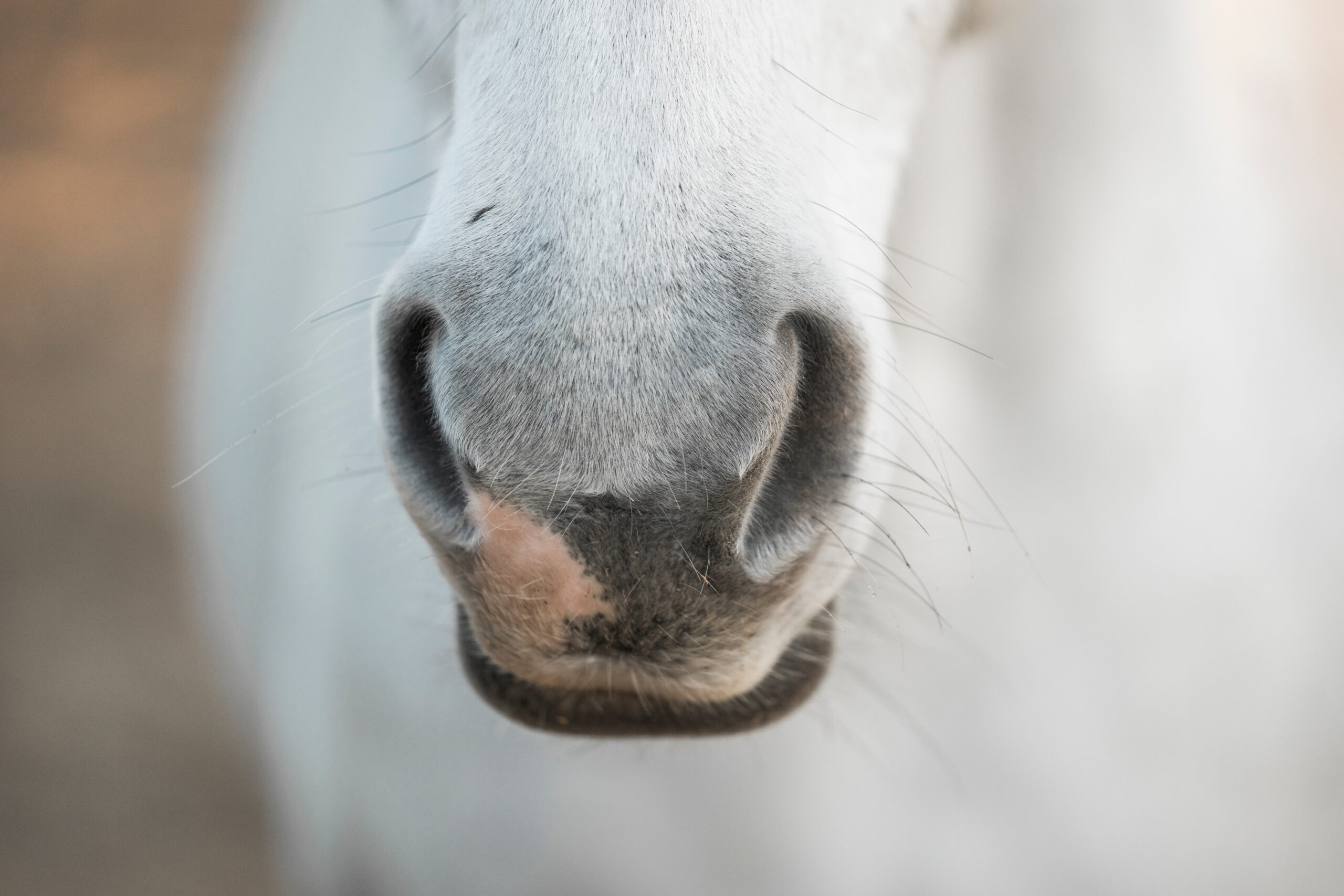
On Jan. 15, a Miniature Horse in Dorchester County, Maryland, was diagnosed with strangles after showing clinical signs on Jan. 12. The horse is currently under quarantine.

EDCC Health Watch is a program by Equine Network that uses information from the Equine Disease Communication Center (EDCC) to create and share verified equine disease reports. The EDCC is a nonprofit organization supported by industry donations, offering open access to infectious disease information.

About Strangles

Strangles is an equine infection caused by Streptococcus equi subspecies equi, transmitted through direct contact with infected horses or contaminated surfaces. Even asymptomatic horses can carry and spread the bacteria, and recovered horses can remain contagious for up to six weeks, potentially leading to long-term outbreaks.

Common clinical signs of strangles include:

  • Fever
  • Swollen or abscessed lymph nodes
  • Nasal discharge
  • Coughing or wheezing
  • Muscle swelling
  • Difficulty swallowing

Veterinarians typically diagnose strangles using polymerase chain reaction (PCR) testing with samples from nasal swabs, washes, or abscesses. Treatment is usually based on clinical signs, with antibiotics prescribed for severe cases. Excessive antibiotic use can hinder the horse’s ability to develop immunity. Most horses recover fully within three to four weeks.

While a vaccine is available, its efficacy can vary. Implementing biosecurity measures such as quarantining new arrivals and maintaining strict hygiene practices can help reduce the risk of outbreaks and contain them if they occur. Learn more about protecting your horse from strangles and managing outbreaks on the farm.

Horse Maryland Positive Strangles Tests
Share. Facebook Twitter Pinterest LinkedIn Tumblr Email

Related Posts

Gut Health Support For Dogs: How PetLabCo.’s Probiotics Chews Can Help

January 22, 2026

The Gross Dog Pee Habit That Might Be a Health Warning

January 21, 2026

The Safe Christmas Foods Guide Every Dog Parent Needs

January 21, 2026

Michigan Appaloosa Confirmed Positive for Strangles

January 20, 2026
Add A Comment
Leave A Reply Cancel Reply

Editors Picks

A Japanese aquarium's sunfish got lonely. Their low-tech solution was brilliantly adorable. – good.is

January 22, 2026

Gut Health Support For Dogs: How PetLabCo.’s Probiotics Chews Can Help

January 22, 2026

50 Adorable Cat Paw Prints That Told A Whole Story Without A Single Meow – AOL.com

January 21, 2026

The Gross Dog Pee Habit That Might Be a Health Warning

January 21, 2026
Top Post

Pet Care Tips For Keeping Your Pet Fit And Active

How To Care For Rabbits As Pets?

Home Decor For An Eclectic Look

Facebook X (Twitter) Instagram Pinterest Vimeo YouTube
  • Contact
  • Privacy policy
  • Terms & Conditions
© 2026 Doorpicker.com - All rights reserved.

Type above and press Enter to search. Press Esc to cancel.