Close Menu
  • DIY Projects
  • Home Decor
  • Beauty Products
  • Pets Training
  • Interior Design
  • Pets
  • Pet Care Tips
What's Hot

10 Times Raccoons Stole Hearts Online With Their Unexpectedly Sweet Antics – Bored Panda

October 23, 2026

Crue Dowers Wins Snaffle Bit Futurity Non-Pro

October 23, 2026

MERIT New Wave Review: A Warm Fall Fragrance

October 23, 2026
Facebook X (Twitter) Instagram
  • Contact
  • Privacy policy
  • Terms & Conditions
Facebook X (Twitter) Instagram Pinterest VKontakte
DoorPickerDoorPicker
  • DIY Projects
  • Home Decor
  • Beauty Products
  • Pets Training
  • Interior Design
  • Pets
  • Pet Care Tips
DoorPickerDoorPicker
Home»Pet Care Tips»Equine WNV Confirmed in Washington County, Tennessee
Pet Care Tips

Equine WNV Confirmed in Washington County, Tennessee

October 22, 2026No Comments2 Mins Read
Facebook Twitter Pinterest LinkedIn Tumblr Email
Share
Facebook Twitter LinkedIn Pinterest Email

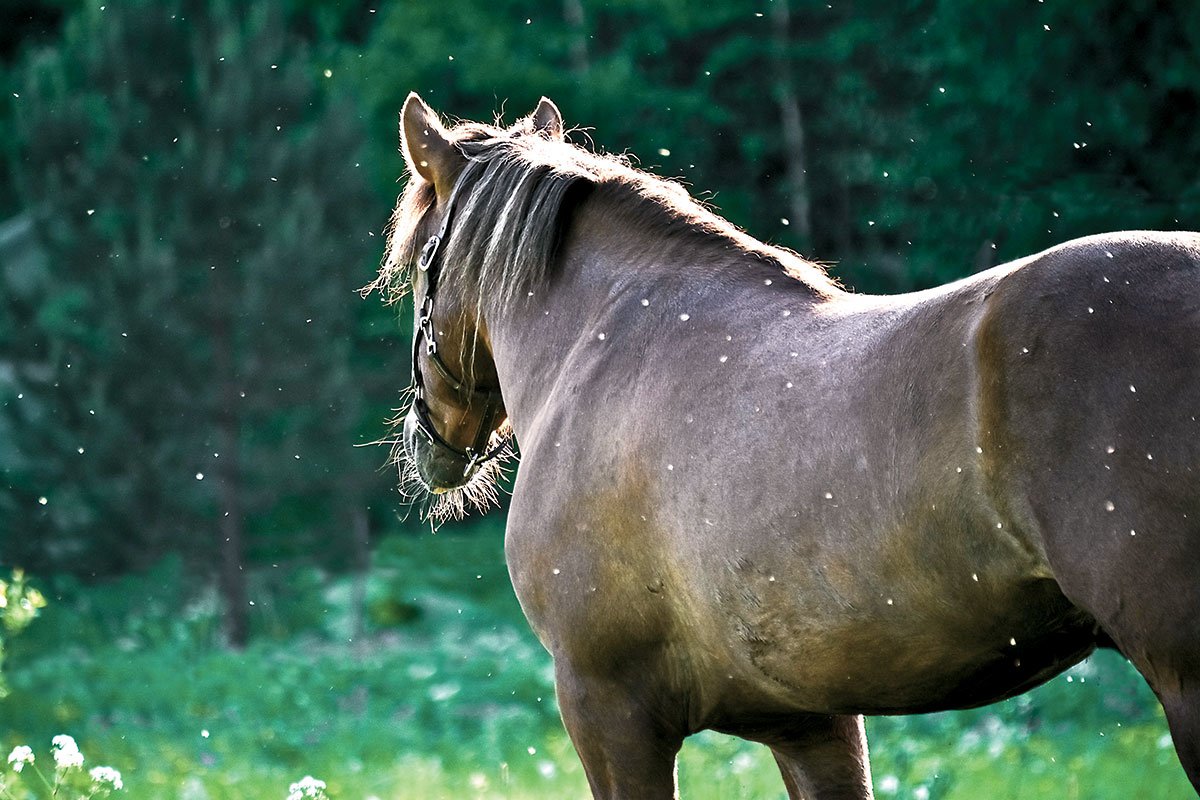
The Tennessee Department of Agriculture has reported that a horse in Washington County has tested positive for West Nile virus (WNV).

EDCC Health Watch is a marketing program by Equine Network that uses information from the Equine Disease Communication Center (EDCC) to create and share verified equine disease reports. The EDCC is a nonprofit organization supported by industry donations to provide open access to infectious disease information.

WNV 101

West Nile virus is transmitted to horses through bites from infected mosquitoes. While not all infected horses show symptoms, those that do may display:

  • Flulike signs such as mild anorexia and depression;
  • Muscle and skin twitching;
  • Hypersensitivity to touch and sound;
  • Changes in mental activity;
  • Drowsiness;
  • Propulsive walking;
  • Spinal signs like weakness or ataxia.

There is no cure for West Nile virus, but some horses can recover with supportive care. Mortality rates in horses can be as high as 30-40%.

Research has shown that vaccines are effective in preventing WNV. Horses that have been vaccinated before need an annual booster shot, while unvaccinated horses may require a two-shot series over a few weeks. It takes time for horses to develop immunity after vaccination.

In addition to vaccinations, horse owners can reduce the risk of WNV by managing mosquito populations and limiting exposure by:

  • Eliminating stagnant water;
  • Cleaning and refilling water sources regularly;
  • Keeping horses indoors during peak mosquito times;
  • Using approved mosquito repellents for horses.
Confirmed County Equine Tennessee Washington WNV
Share. Facebook Twitter Pinterest LinkedIn Tumblr Email

Related Posts

Crue Dowers Wins Snaffle Bit Futurity Non-Pro

October 23, 2026

Washington Horse Tests Positive for Equine Influenza

October 23, 2026

232! Haven Meged, Justin Wright Win Big Guns in Cowtown

October 22, 2026

10 Horse Blanketing Mistakes to Avoid

October 21, 2026
Add A Comment
Leave A Reply Cancel Reply

Editors Picks

10 Times Raccoons Stole Hearts Online With Their Unexpectedly Sweet Antics – Bored Panda

October 23, 2026

Crue Dowers Wins Snaffle Bit Futurity Non-Pro

October 23, 2026

MERIT New Wave Review: A Warm Fall Fragrance

October 23, 2026

Washington Horse Tests Positive for Equine Influenza

October 23, 2026
Top Post

8 cute teacup dog breeds that will melt your heart – The Times of India

Charlotte Tilbury’s Blush Wand Made Me a Red Blush Girlie

Cow Horse Stallion Zak 34 Purchased by Shad Mayfield

DoorPicker
Facebook X (Twitter) Instagram Pinterest Vimeo YouTube
  • Contact
  • Privacy policy
  • Terms & Conditions
© 2026 Doorpicker.com - All rights reserved.

Type above and press Enter to search. Press Esc to cancel.