Close Menu
  • DIY Projects
  • Home Decor
  • Beauty Products
  • Pets Training
  • Interior Design
  • Pets
  • Pet Care Tips
What's Hot

Golden Retriever Puppy Turns Dad’s Running Shower Into His Own Splash Party – ParadePets

May 19, 2026

Your Gray Sofa Isn’t The Problem, Your Color Palette Is: 4 Ways To Make It Fresh Again

May 19, 2026

Furry friends and other critters that made Minnesota headlines in 2025 – CBS News

May 19, 2026
Facebook X (Twitter) Instagram
  • Contact
  • Privacy policy
  • Terms & Conditions
Facebook X (Twitter) Instagram Pinterest VKontakte
  • DIY Projects
  • Home Decor
  • Beauty Products
  • Pets Training
  • Interior Design
  • Pets
  • Pet Care Tips
Home»Pet Care Tips»Kansas Quarter Horse Tests Positive for Equine Influenza
Pet Care Tips

Kansas Quarter Horse Tests Positive for Equine Influenza

March 16, 2026No Comments1 Min Read
Facebook Twitter Pinterest LinkedIn Tumblr Email
Share
Facebook Twitter LinkedIn Pinterest Email

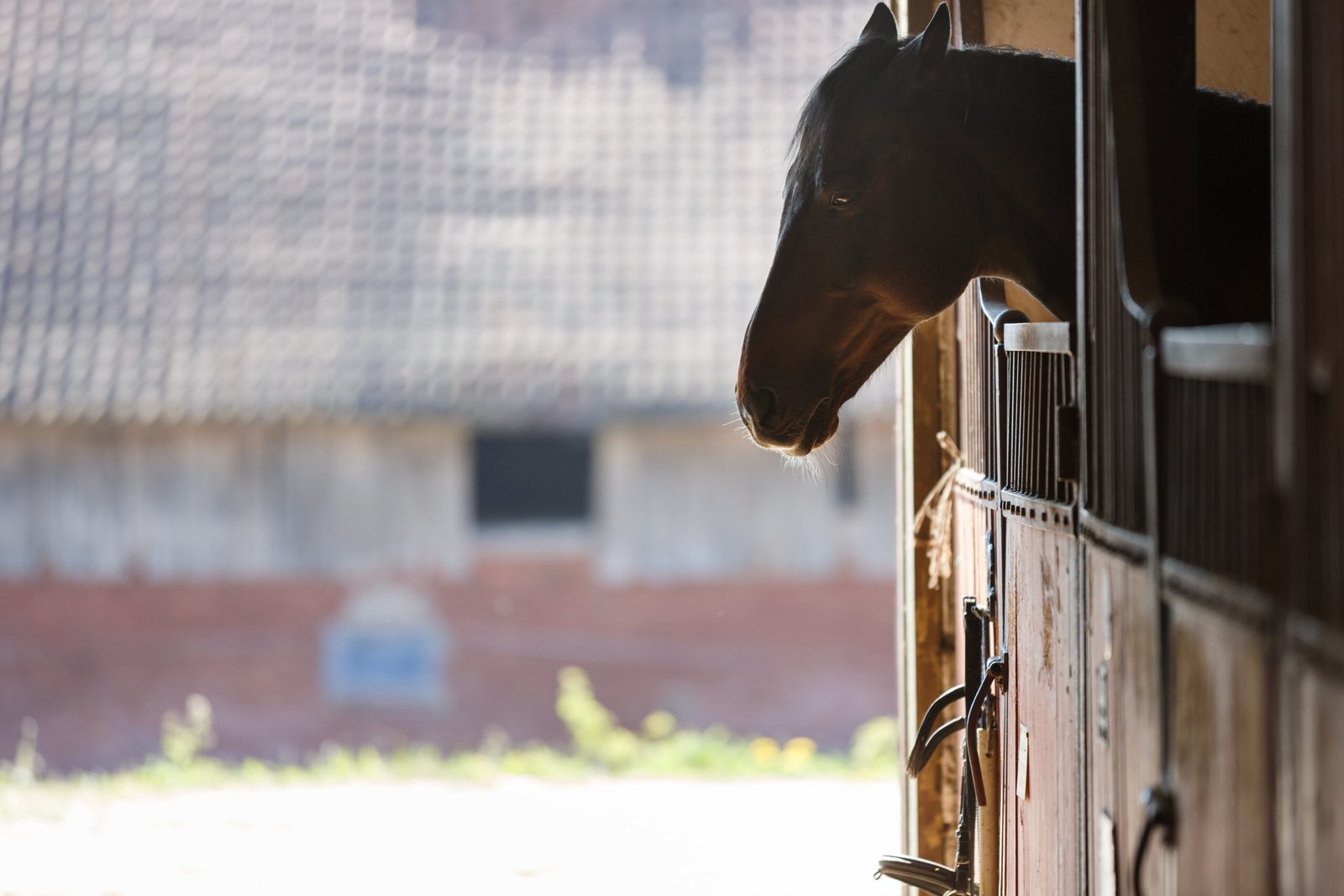
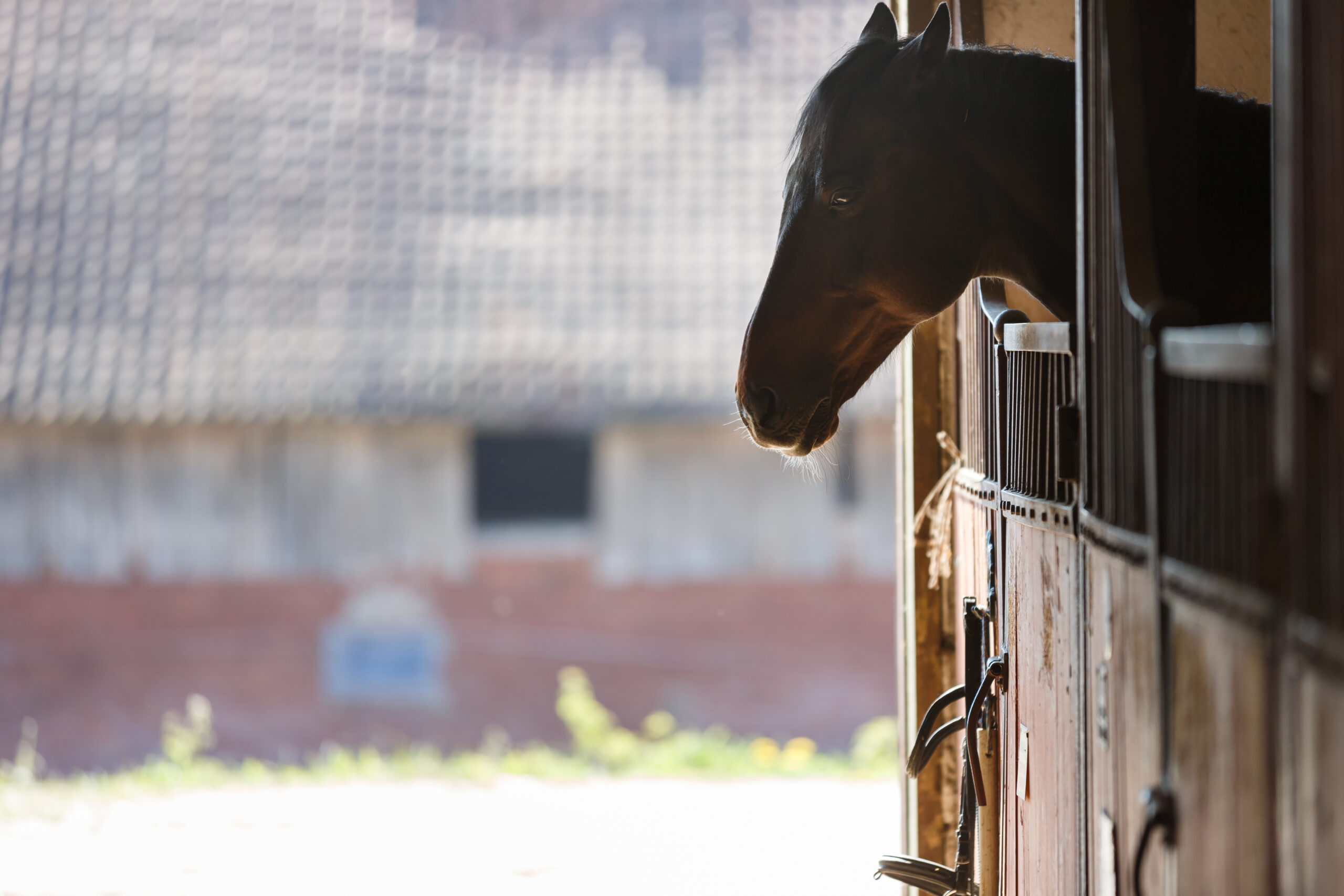
An 8-year-old Quarter Horse mare at a boarding facility in Ellis County, Kansas, was diagnosed with equine influenza on March 13. The mare showed symptoms on March 8, including fever, lethargy, nasal discharge, anorexia, and cough. She is currently on the road to recovery.

EDCC Health Watch is a program by Equine Network that utilizes information from the Equine Disease Communication Center (EDCC) to provide verified equine disease reports. The EDCC is a nonprofit organization supported by industry donations to offer accessible infectious disease information.

Understanding Equine Influenza

Equine influenza is a highly contagious respiratory disease that affects horses, ponies, and other equids like donkeys, mules, and zebras. The virus spreads through saliva and respiratory secretions, horse-to-horse contact, aerosol transmission, and contact with contaminated items or humans.

Clinical signs of equine influenza include high fever, cough, depression, weakness, nasal discharge, and enlarged lymph nodes. Monitoring your horse’s health, vaccination, and implementing biosecurity measures are crucial for disease prevention.

Vaccination is an effective way to protect your horse from equine influenza. US Equestrian mandates proof of vaccination within six months prior to attending competitions. Consult your vet for vaccination recommendations and follow biosecurity protocols to reduce infection risk.

Equine Horse Influenza Kansas Positive Quarter Tests
Share. Facebook Twitter Pinterest LinkedIn Tumblr Email

Related Posts

5 Things Corey Cushing Looks for in a Cow Horse 

May 18, 2026

Oregon Horse Euthanized After Contracting Strangles

May 18, 2026

Loveland Luck: Champions Rise at the 2026 Cinch RSNC North Central Regional Super Sort

May 17, 2026

Brea Vardas, Steve Cawthon Win $11K in RSNC #9 Gold Shootout

May 16, 2026
Add A Comment
Leave A Reply Cancel Reply

Editors Picks

Golden Retriever Puppy Turns Dad’s Running Shower Into His Own Splash Party – ParadePets

May 19, 2026

Your Gray Sofa Isn’t The Problem, Your Color Palette Is: 4 Ways To Make It Fresh Again

May 19, 2026

Furry friends and other critters that made Minnesota headlines in 2025 – CBS News

May 19, 2026

EltaMD’s New SPF Is Made for Acne-Prone, Oily Skin

May 18, 2026
Top Post

Interior Design For Wellness: Creating A Healthy Home

Hot Take: This Is How Nate Berkus Really Feels About Gallery Walls

DIY Projects For A Bohemian Vibe

Facebook X (Twitter) Instagram Pinterest Vimeo YouTube
  • Contact
  • Privacy policy
  • Terms & Conditions
© 2026 Doorpicker.com - All rights reserved.

Type above and press Enter to search. Press Esc to cancel.