Close Menu
  • DIY Projects
  • Home Decor
  • Beauty Products
  • Pets Training
  • Interior Design
  • Pets
  • Pet Care Tips
What's Hot

2 Potomac Horse Fever Cases Confirmed in Tennessee

August 30, 2026

Looks like a dog, flies like a bat: Meet nature’s unusual mammal – The Indian Express

August 29, 2026

100x Reining Classic Returns to Tulsa with $1.8M in Added Money

August 29, 2026
Facebook X (Twitter) Instagram
  • Contact
  • Privacy policy
  • Terms & Conditions
Facebook X (Twitter) Instagram Pinterest VKontakte
  • DIY Projects
  • Home Decor
  • Beauty Products
  • Pets Training
  • Interior Design
  • Pets
  • Pet Care Tips
Home»Pet Care Tips»Indiana Horse Tests Positive for EHM
Pet Care Tips

Indiana Horse Tests Positive for EHM

April 21, 2026No Comments2 Mins Read
Facebook Twitter Pinterest LinkedIn Tumblr Email
Share
Facebook Twitter LinkedIn Pinterest Email

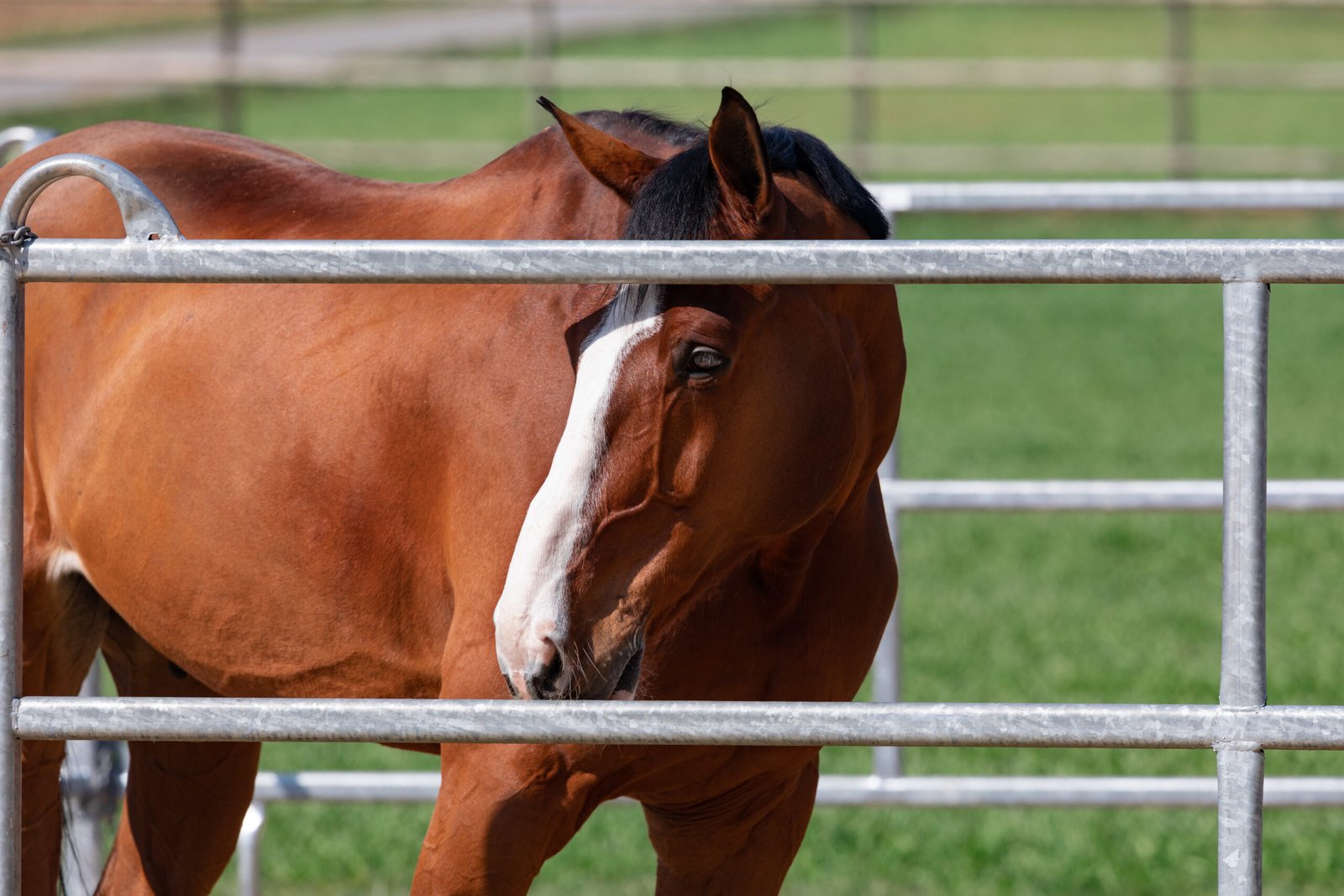
On April 17, a 2-year-old draft horse stallion in Elkhart County, Indiana, was diagnosed with equine herpesvirus myeloencephalopathy (EHM). The affected horse is currently under quarantine, and two other horses are suspected to be infected as well.

EDCC Health Watch, sponsored by the Equine Network, provides verified equine disease reports sourced from the Equine Disease Communication Center (EDCC). The EDCC is a non-profit organization that relies on industry donations to offer accessible infectious disease information.

Understanding EHV

Equine herpesvirus (EHV) is highly contagious and can lead to various health issues in horses, including respiratory problems, abortion in pregnant mares, and EHM.

Fever is often the initial symptom of EHV-1 infection in horses, which can sometimes go unnoticed. Other common signs include coughing, reduced appetite, lethargy, and nasal discharge. Pregnant mares may not display any symptoms before experiencing a late-term abortion, which typically occurs around eight months of gestation but can happen earlier. Abortions can take place anywhere from two weeks to several months after EHV-1 infection.

Horses with EHM typically start with a fever and may exhibit respiratory symptoms. Neurological signs like incoordination, limb weakness or paralysis, urinary issues, tail tone loss, and recumbency usually appear a few days later.

EHV spreads easily through direct contact with infected horses, sharing contaminated equipment or clothing, and contact with individuals who have been in proximity to infected animals. Adhering to biosecurity measures such as proper hygiene and equipment disinfection is crucial in preventing disease transmission.

While current EHV-1 vaccines may reduce viral shedding, they do not offer protection against the neurological form of the disease. Prioritizing biosecurity practices is key to minimizing the spread of the virus, with disease prevention being the most effective method of control.

EHM Horse Indiana Positive Tests
Share. Facebook Twitter Pinterest LinkedIn Tumblr Email

Related Posts

2 Potomac Horse Fever Cases Confirmed in Tennessee

August 30, 2026

100x Reining Classic Returns to Tulsa with $1.8M in Added Money

August 29, 2026

Ranch Sorting Events: September 2026

August 29, 2026

Conformation Clinic: Ranch Geldings

August 28, 2026
Add A Comment
Leave A Reply Cancel Reply

Editors Picks

2 Potomac Horse Fever Cases Confirmed in Tennessee

August 30, 2026

Looks like a dog, flies like a bat: Meet nature’s unusual mammal – The Indian Express

August 29, 2026

100x Reining Classic Returns to Tulsa with $1.8M in Added Money

August 29, 2026

My Cozy Fall Reset Rituals

August 29, 2026
Top Post

How To Incorporate Color In Interior Design

Do Dogs Have Period Cramps? Vet-Verified Health Fact & FAQ – Dogster

You Should Be Cocktailing Your Black and Brown Mascaras

Facebook X (Twitter) Instagram Pinterest Vimeo YouTube
  • Contact
  • Privacy policy
  • Terms & Conditions
© 2026 Doorpicker.com - All rights reserved.

Type above and press Enter to search. Press Esc to cancel.