
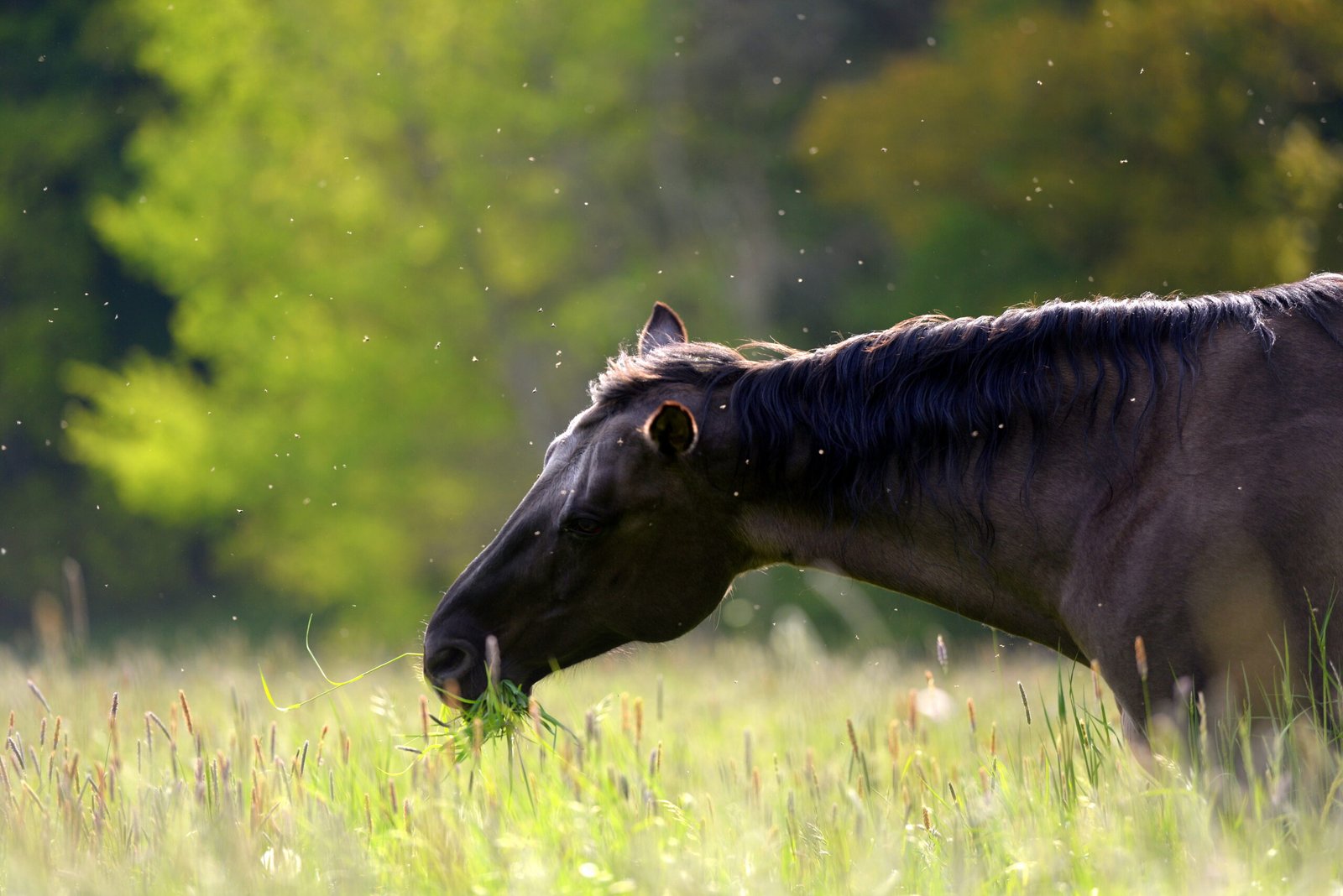
A 6-year-old Standardbred gelding in Todd County, Minnesota, who was not vaccinated, has tested positive for West Nile virus (WNV), as confirmed by the state animal health official. The gelding began showing clinical signs on Aug. 3, including lethargy and ataxia, but is currently still alive.
EDCC Health Watch is an Equine Network marketing program that utilizes information from the Equine Disease Communication Center (EDCC) to create and disseminate verified equine disease reports. The EDCC is an independent nonprofit organization that is supported by industry donations in order to provide open access to infectious disease information.
WNV 101
West Nile virus is transmitted to horses through bites from infected mosquitoes. Clinical signs in infected horses can include:
- Flulike symptoms such as mild anorexia and depression;
- Involuntary twitching of muscles and skin;
- Hypersensitivity to touch and sound;
- Changes in mental activity;
- Occasional drowsiness;
- Propulsive walking without control;
- Spinal weakness;
- Ataxia (loss of control over body movements).
While there is no cure for West Nile virus, some horses can recover with supportive care. Mortality rates in horses can be as high as 30-40%.
Vaccination has been shown to be an effective prevention method for WNV. Horses vaccinated in previous years require an annual booster shot, while unvaccinated horses need a two-shot vaccination series within a three- to six-week period. It takes several weeks for horses to develop immunity after vaccination.
In addition to vaccination, owners can reduce the risk of WNV by controlling mosquito populations and limiting horse exposure to mosquitoes. This can be done by:
- Removing stagnant water sources;
- Cleaning and refilling water buckets regularly;
- Avoiding outdoor activities during peak mosquito times;
- Using approved mosquito repellents for horses.