Close Menu
  • DIY Projects
  • Home Decor
  • Beauty Products
  • Pets Training
  • Interior Design
  • Pets
  • Pet Care Tips
What's Hot

Meet Mori, a Cute Robot Mushroom That Doesn’t Really Say (or Do) Anything – WIRED

October 22, 2026

Equine WNV Confirmed in Washington County, Tennessee

October 22, 2026

The DEEP Dive: How We Chose Our Lowe’s Kitchen Cabinetry + What It Cost

October 22, 2026
Facebook X (Twitter) Instagram
  • Contact
  • Privacy policy
  • Terms & Conditions
Facebook X (Twitter) Instagram Pinterest VKontakte
DoorPickerDoorPicker
  • DIY Projects
  • Home Decor
  • Beauty Products
  • Pets Training
  • Interior Design
  • Pets
  • Pet Care Tips
DoorPickerDoorPicker
Home»Pet Care Tips»Equine WNV Confirmed in Washington County, Tennessee
Pet Care Tips

Equine WNV Confirmed in Washington County, Tennessee

October 22, 2026No Comments2 Mins Read
Facebook Twitter Pinterest LinkedIn Tumblr Email
Share
Facebook Twitter LinkedIn Pinterest Email

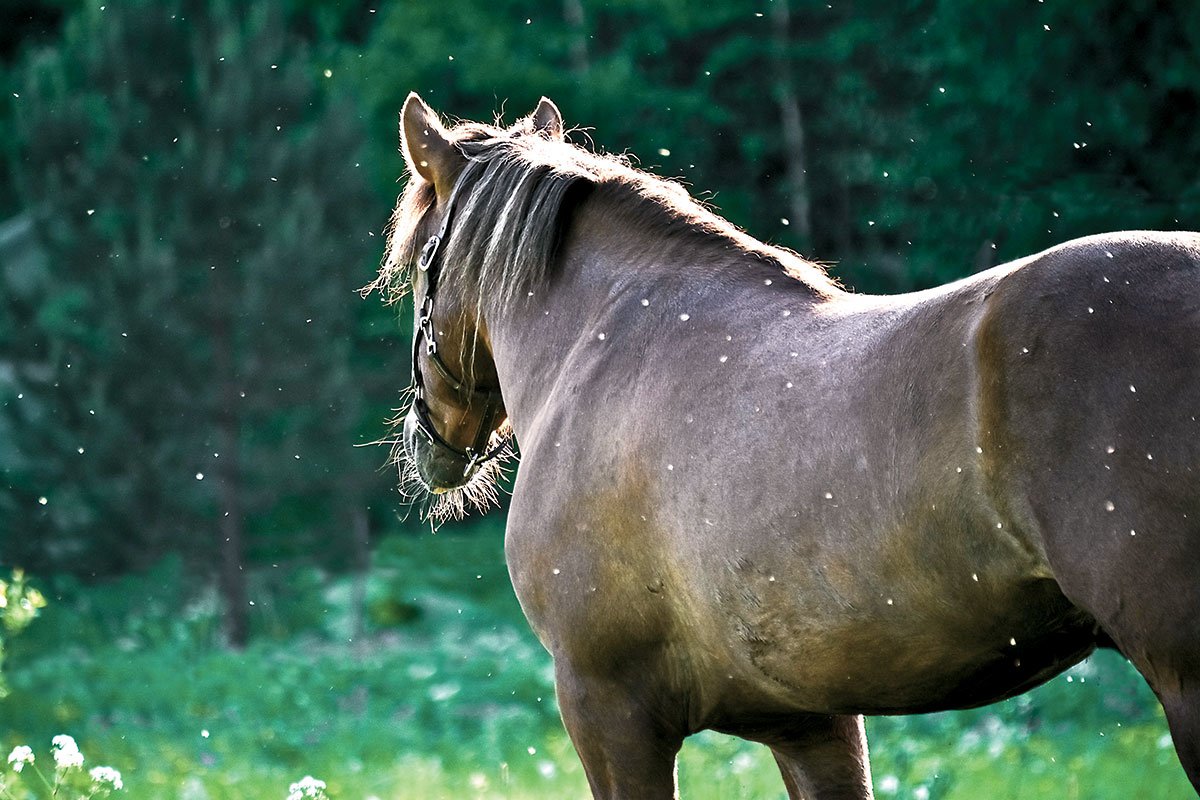
The Tennessee Department of Agriculture has reported that a horse in Washington County has tested positive for West Nile virus (WNV).

EDCC Health Watch is a marketing program by Equine Network that uses information from the Equine Disease Communication Center (EDCC) to create and share verified equine disease reports. The EDCC is a nonprofit organization supported by industry donations to provide open access to infectious disease information.

WNV 101

West Nile virus is transmitted to horses through bites from infected mosquitoes. While not all infected horses show symptoms, those that do may display:

  • Flulike signs such as mild anorexia and depression;
  • Muscle and skin twitching;
  • Hypersensitivity to touch and sound;
  • Changes in mental activity;
  • Drowsiness;
  • Propulsive walking;
  • Spinal signs like weakness or ataxia.

There is no cure for West Nile virus, but some horses can recover with supportive care. Mortality rates in horses can be as high as 30-40%.

Research has shown that vaccines are effective in preventing WNV. Horses that have been vaccinated before need an annual booster shot, while unvaccinated horses may require a two-shot series over a few weeks. It takes time for horses to develop immunity after vaccination.

In addition to vaccinations, horse owners can reduce the risk of WNV by managing mosquito populations and limiting exposure by:

  • Eliminating stagnant water;
  • Cleaning and refilling water sources regularly;
  • Keeping horses indoors during peak mosquito times;
  • Using approved mosquito repellents for horses.
Confirmed County Equine Tennessee Washington WNV
Share. Facebook Twitter Pinterest LinkedIn Tumblr Email

Related Posts

232! Haven Meged, Justin Wright Win Big Guns in Cowtown

October 22, 2026

10 Horse Blanketing Mistakes to Avoid

October 21, 2026

Weekly Performance Report Oct. 18

October 21, 2026

How Missy Fischer is Giving Seth’s Legacy New Life Through Zak 34’s Sale

October 20, 2026
Add A Comment
Leave A Reply Cancel Reply

Editors Picks

Meet Mori, a Cute Robot Mushroom That Doesn’t Really Say (or Do) Anything – WIRED

October 22, 2026

Equine WNV Confirmed in Washington County, Tennessee

October 22, 2026

The DEEP Dive: How We Chose Our Lowe’s Kitchen Cabinetry + What It Cost

October 22, 2026

Chunky White Golden Retriever Puppy Looks Just Like a Polar Bear Cub – AOL.com

October 22, 2026
Top Post

Results: Inaugural Dixie National Super Sort

200+ Strong Dogs Names for the Ruff N' Tough Pup in Your Life – Daily Paws

A Place To Get More Personal – Brian And I Have A New Joint Substack Newsletter

DoorPicker
Facebook X (Twitter) Instagram Pinterest Vimeo YouTube
  • Contact
  • Privacy policy
  • Terms & Conditions
© 2026 Doorpicker.com - All rights reserved.

Type above and press Enter to search. Press Esc to cancel.