
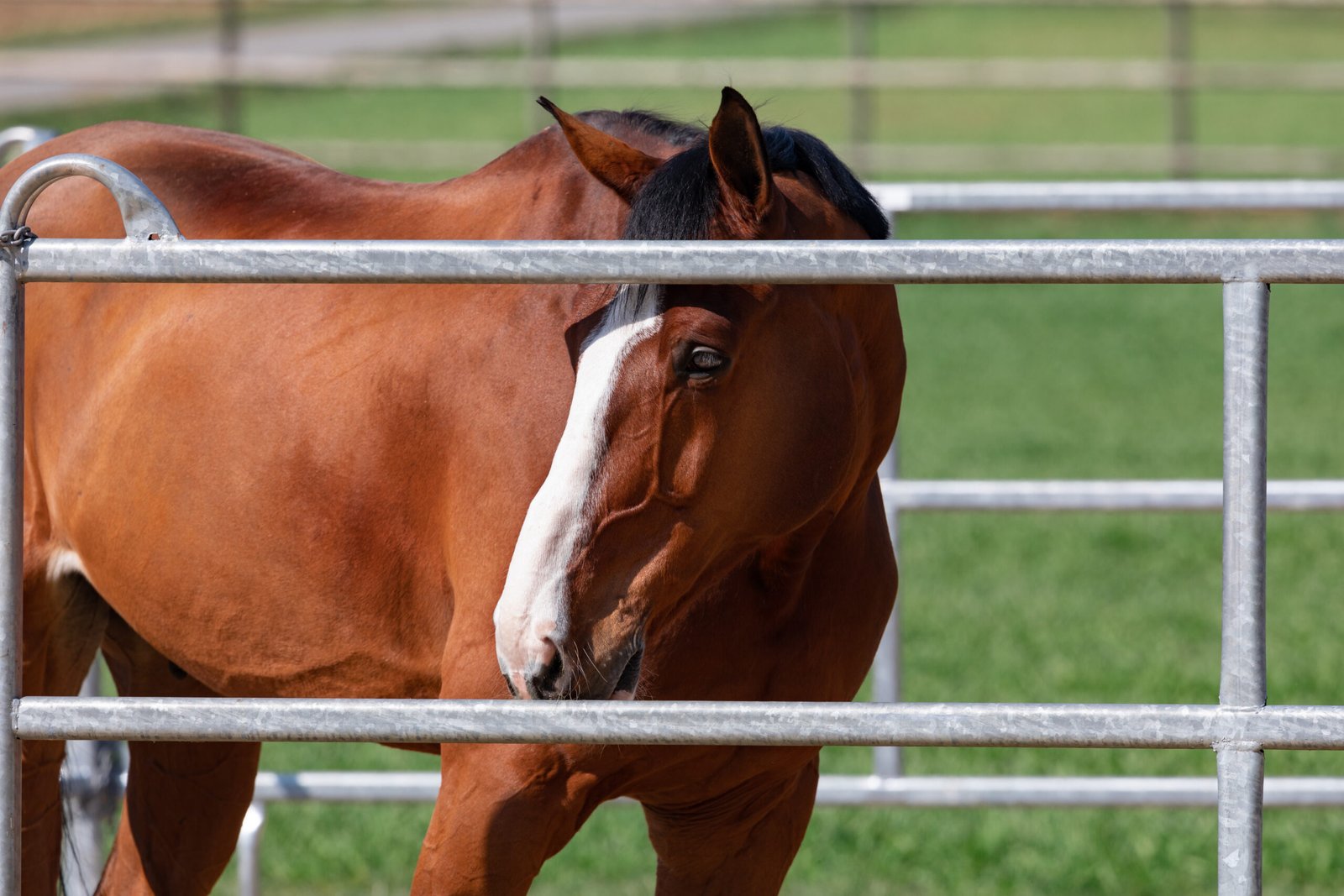

A draft cross gelding, aged 27, has been diagnosed with salmonellosis after undergoing colic surgery at an equine hospital in Loudoun County, Virginia.
Following days of mild colic treatment on his Montgomery County farm starting on Jan. 29, the gelding was transferred to the hospital where he had surgery for a colon displacement and impaction. Subsequent fecal cultures revealed the presence of salmonellosis. The horse is currently in recovery.
EDCC Health Watch is a marketing program by Equine Network that utilizes information from the Equine Disease Communication Center (EDCC) to create and distribute verified equine disease reports. The EDCC is a nonprofit organization supported by industry donations to provide accessible infectious disease information.
About Salmonellosis
Salmonellosis is a contagious bacterial infection caused by Salmonella spp, leading to enterocolitis. Healthy horses may temporarily shed Salmonella, with increased shedding during:
- Illness: antibiotic use, physiological stress
- Stress: travel, social interactions, dietary changes
- Gastrointestinal issues: especially colic, changes in diet
Clinical signs of salmonellosis include diarrhea, fever, fatigue, loss of appetite, colic, localized infections, sepsis, and septic shock. Foals often experience more severe symptoms such as bloody diarrhea, pneumonia, meningitis, growth plate inflammation, and septic arthritis.
Treating severe cases of salmonellosis involves IV fluid and electrolyte replacement and managing the host’s inflammatory responses.
Preventing salmonellosis is challenging due to the organism’s presence in the environment and feces of some healthy animals. Isolation and improved biosecurity measures are necessary to prevent disease spread.