Close Menu
  • DIY Projects
  • Home Decor
  • Beauty Products
  • Pets Training
  • Interior Design
  • Pets
  • Pet Care Tips
What's Hot

Cutest Pet in Wink Country Photo Contest Returns – My Keene Now

March 6, 2026

Pierce and Lesh Top Cinch #13 Gold Shootout at Dixie National

March 6, 2026

Ask Me Anything: The Burning Personal And Design Questions You Want To Know

March 6, 2026
Facebook X (Twitter) Instagram
  • Contact
  • Privacy policy
  • Terms & Conditions
Facebook X (Twitter) Instagram Pinterest VKontakte
  • DIY Projects
  • Home Decor
  • Beauty Products
  • Pets Training
  • Interior Design
  • Pets
  • Pet Care Tips
Home»Pets Training»Gelding Tests Positive for Salmonellosis After Colic Surgery at Virginia Hospital
Pets Training

Gelding Tests Positive for Salmonellosis After Colic Surgery at Virginia Hospital

February 6, 2026No Comments2 Mins Read
Facebook Twitter Pinterest LinkedIn Tumblr Email
Share
Facebook Twitter LinkedIn Pinterest Email

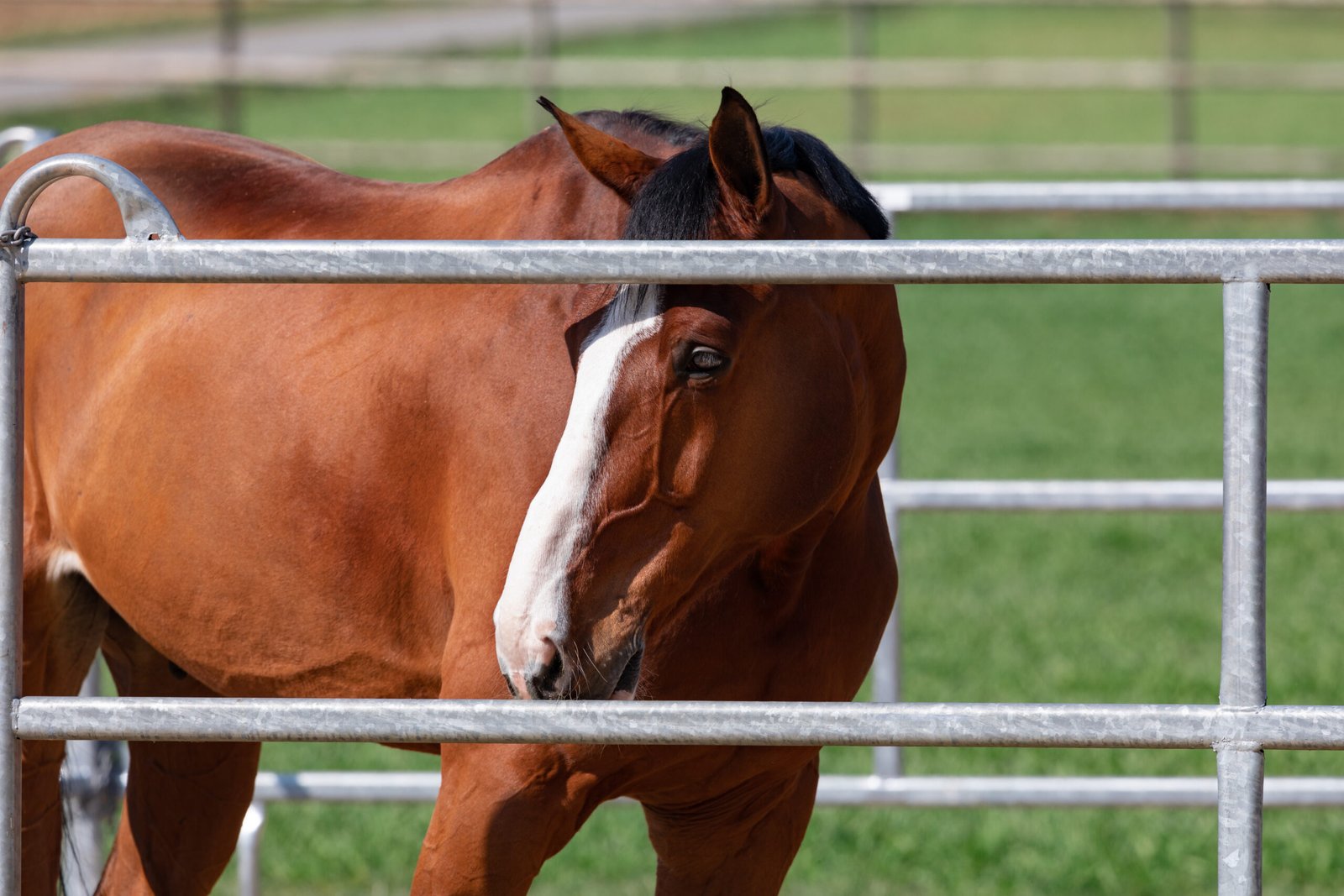
A draft cross gelding, aged 27, has been diagnosed with salmonellosis after undergoing colic surgery at an equine hospital in Loudoun County, Virginia.

Following days of mild colic treatment on his Montgomery County farm starting on Jan. 29, the gelding was transferred to the hospital where he had surgery for a colon displacement and impaction. Subsequent fecal cultures revealed the presence of salmonellosis. The horse is currently in recovery.

EDCC Health Watch is a marketing program by Equine Network that utilizes information from the Equine Disease Communication Center (EDCC) to create and distribute verified equine disease reports. The EDCC is a nonprofit organization supported by industry donations to provide accessible infectious disease information.

About Salmonellosis

Salmonellosis is a contagious bacterial infection caused by Salmonella spp, leading to enterocolitis. Healthy horses may temporarily shed Salmonella, with increased shedding during: 

  • Illness: antibiotic use, physiological stress
  • Stress: travel, social interactions, dietary changes 
  • Gastrointestinal issues: especially colic, changes in diet

Clinical signs of salmonellosis include diarrhea, fever, fatigue, loss of appetite, colic, localized infections, sepsis, and septic shock. Foals often experience more severe symptoms such as bloody diarrhea, pneumonia, meningitis, growth plate inflammation, and septic arthritis. 

Treating severe cases of salmonellosis involves IV fluid and electrolyte replacement and managing the host’s inflammatory responses.

Preventing salmonellosis is challenging due to the organism’s presence in the environment and feces of some healthy animals. Isolation and improved biosecurity measures are necessary to prevent disease spread.

Colic Gelding Hospital Positive Salmonellosis Surgery Tests Virginia
Share. Facebook Twitter Pinterest LinkedIn Tumblr Email

Related Posts

10 Virginia Horses Test Positive for EHV-1

March 5, 2026

Equine Strangles Case Confirmed in Virginia

March 4, 2026

California Horse Euthanized After Contracting EHM

March 3, 2026

Ohio Horse Contracts EHV-1 – Horse and Rider

March 2, 2026
Add A Comment
Leave A Reply Cancel Reply

Editors Picks

Cutest Pet in Wink Country Photo Contest Returns – My Keene Now

March 6, 2026

Pierce and Lesh Top Cinch #13 Gold Shootout at Dixie National

March 6, 2026

Ask Me Anything: The Burning Personal And Design Questions You Want To Know

March 6, 2026

"Refiloe ong loyile neh": Cassper Nyovest's wife shares glimpse into their life – Briefly News

March 5, 2026
Top Post

Mini farm animals are adorable. There’s also a growing demand for them – The Associated Press

How We Created a Cozy Vintage Modern Bedroom

Be Ready Before Disaster Strikes

Facebook X (Twitter) Instagram Pinterest Vimeo YouTube
  • Contact
  • Privacy policy
  • Terms & Conditions
© 2026 Doorpicker.com - All rights reserved.

Type above and press Enter to search. Press Esc to cancel.