Close Menu
  • DIY Projects
  • Home Decor
  • Beauty Products
  • Pets Training
  • Interior Design
  • Pets
  • Pet Care Tips
What's Hot

Aldi's $25 Ladybug Cat Condo Is the Cutest Fall Oasis – AOL.com

October 8, 2026

Alberta Horse Tests Positive for PHF

October 8, 2026

Rare Pink-and-Tan Fluffy French Bulldog Looks Almost Too Cute To Be Real – AOL.com

October 8, 2026
Facebook X (Twitter) Instagram
  • Contact
  • Privacy policy
  • Terms & Conditions
Facebook X (Twitter) Instagram Pinterest VKontakte
  • DIY Projects
  • Home Decor
  • Beauty Products
  • Pets Training
  • Interior Design
  • Pets
  • Pet Care Tips
Home»Pet Care Tips»Alberta Horse Tests Positive for PHF
Pet Care Tips

Alberta Horse Tests Positive for PHF

October 8, 2026No Comments2 Mins Read
Facebook Twitter Pinterest LinkedIn Tumblr Email
Share
Facebook Twitter LinkedIn Pinterest Email

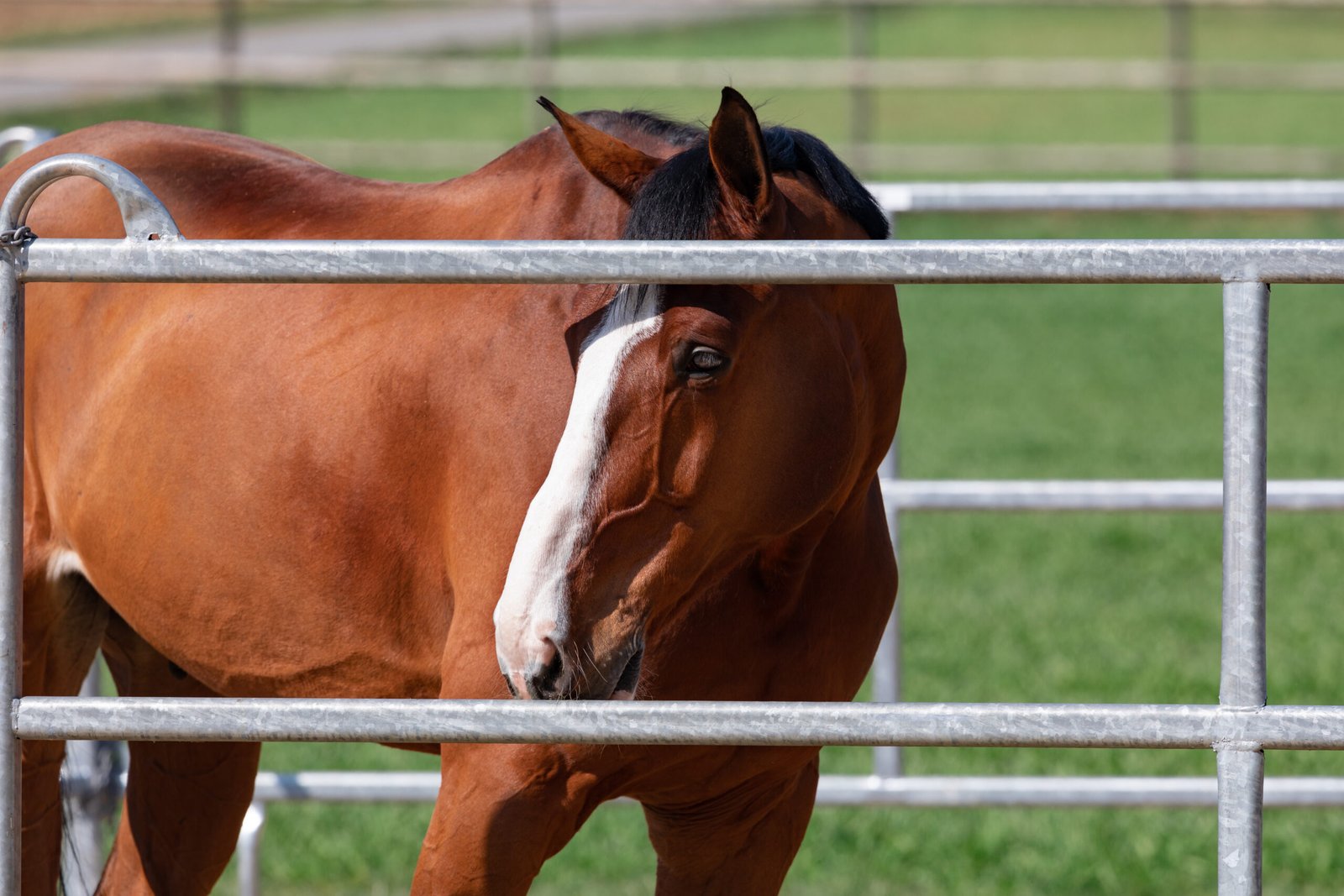
A 4-year-old Quarter Horse gelding in Rocky View County, Alberta, tested positive for Potomac horse fever (PHF) on Oct. 7. The horse showed clinical signs on Sept. 30, such as inappetence, dullness, and diarrhea, but is currently recovering.

EDCC Health Watch is an Equine Network marketing program that utilizes information from the Equine Disease Communication Center (EDCC) to create and disseminate verified equine disease reports. The EDCC is an independent nonprofit organization that is supported by industry donations in order to provide open access to infectious disease information.

About Potomac Horse Fever

Potomac horse fever is caused by Neorickettsia risticii, an organism found in parasites, called flukes (flatworms), that infect aquatic snails and insects. Horses can become infected by consuming insects carrying Potomac horse fever or by drinking water containing N. risticii. Additionally, horses can contract Potomac horse fever by inadvertently ingesting infected insects or parasites in feed, water, or on pasture.

The incubation period for Potomac horse fever is between one and three weeks, with a mortality rate of up to 30%. Although vaccines against Potomac horse fever are not 100% effective, vaccinated horses typically exhibit fewer and less severe clinical signs.

Most cases of Potomac horse fever are reported from July to September, with outbreaks being seasonal.

Horse owners and caretakers, particularly those with horses near creeks and rivers, should be vigilant for signs such as:

  • Diarrhea
  • Colic
  • Loss of appetite
  • Lethargy
  • Toxic shock
  • Dehydration
  • Abortion in pregnant mares
  • Laminitis
  • Mild to severe fever.
Alberta Horse PHF Positive Tests
Share. Facebook Twitter Pinterest LinkedIn Tumblr Email

Related Posts

2026 NRCHA Snaffle Bit Futurity Schedule & Information

October 8, 2026

Strangles Confirmed at Michigan Boarding Facility

October 7, 2026

Teach Your Horse to Ground Tie Step-by-Step with Cody Crow

October 7, 2026

Upgrayed Sweeps Congress as Futurity Contenders Take Shape

October 6, 2026
Add A Comment
Leave A Reply Cancel Reply

Editors Picks

Aldi's $25 Ladybug Cat Condo Is the Cutest Fall Oasis – AOL.com

October 8, 2026

Alberta Horse Tests Positive for PHF

October 8, 2026

Rare Pink-and-Tan Fluffy French Bulldog Looks Almost Too Cute To Be Real – AOL.com

October 8, 2026

2026 NRCHA Snaffle Bit Futurity Schedule & Information

October 8, 2026
Top Post

30 Sad Movies That Will Make You Want to Hug Your Dog – Collider

Vesicular Stomatitis Identified at New Arizona Premises

Why Sweet Potatoes Could Be Your Dog’s New Superfood

Facebook X (Twitter) Instagram Pinterest Vimeo YouTube
  • Contact
  • Privacy policy
  • Terms & Conditions
© 2026 Doorpicker.com - All rights reserved.

Type above and press Enter to search. Press Esc to cancel.