
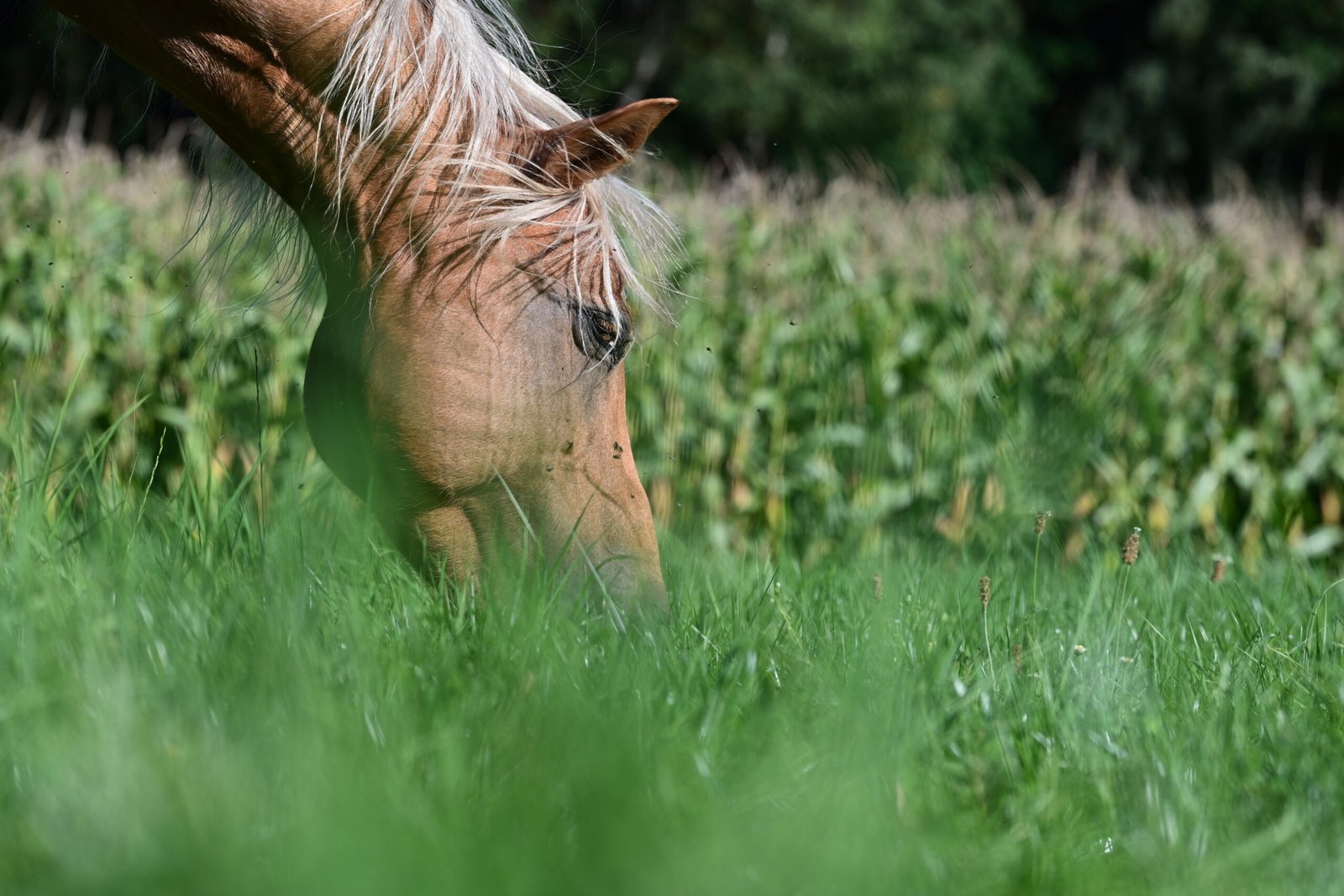
A 15-year-old Quarter Horse mare in Cecil County, Maryland, tested positive for West Nile virus (WNV) on Sept. 18. The mare showed clinical signs starting on Sept. 10 and was euthanized. Her vaccination status is unknown.
EDCC Health Watch is an Equine Network marketing program that utilizes information from the Equine Disease Communication Center (EDCC) to create and disseminate verified equine disease reports. The EDCC is an independent nonprofit organization that is supported by industry donations in order to provide open access to infectious disease information.
WNV 101
West Nile virus is transmitted to horses via bites from infected mosquitoes. Clinical signs in infected horses can include flulike symptoms, muscle twitching, hypersensitivity, changes in mentation, drowsiness, propulsive walking, and spinal signs. Equine mortality rates from WNV can reach 30-40%.
While there is no cure for West Nile virus, vaccination can be an effective prevention tool. Horses should receive annual booster shots, with some veterinarians recommending two boosters per year in areas with prolonged mosquito seasons. Unvaccinated horses require a two-shot vaccination series. It takes several weeks for horses to develop immunity following vaccination.
In addition to vaccination, owners can help prevent WNV by reducing mosquito populations and limiting exposure, such as removing stagnant water sources, cleaning water containers regularly, keeping animals indoors during peak mosquito activity times, and using approved mosquito repellents for horses.