
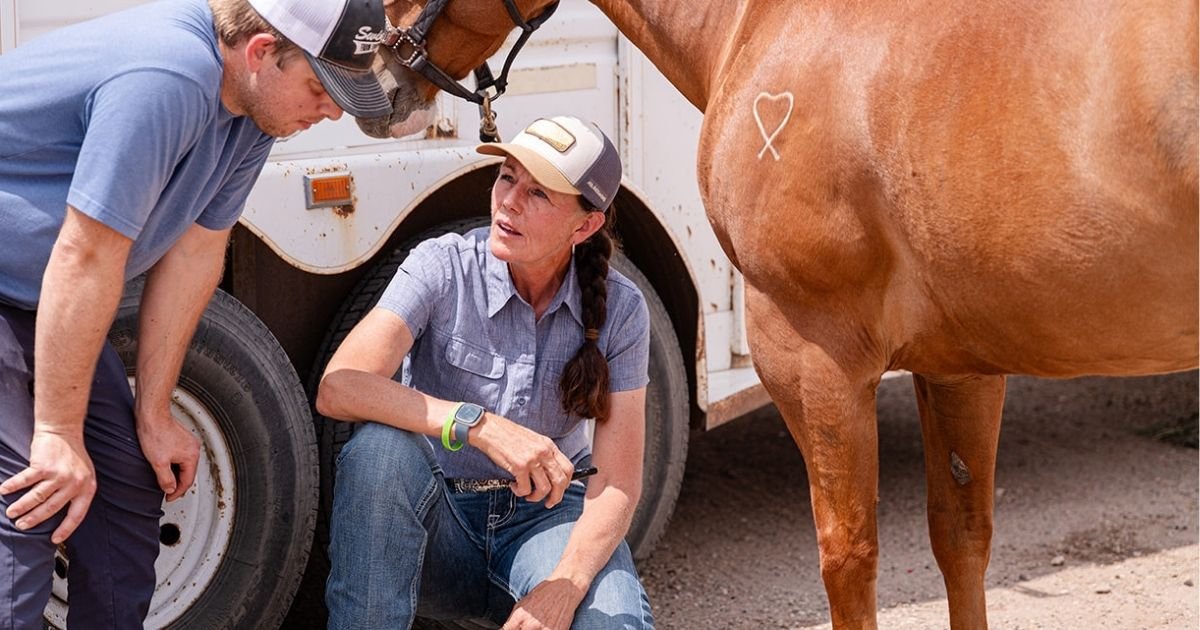
When it comes to saddle fit, the first step is not to focus on the saddle itself, but rather on the horse and rider. As an equine biomechanist and fourth-generation horsewoman, I analyze how the horse and rider are structured, how they move, and where any imbalances may exist. The saddle is just one piece of the puzzle, and understanding how all components work together is essential for assessing fit.
In the initial part of this saddle-fitting series, let’s talk about balance. Even if you have a well-fitted saddle, if there is an imbalance in another part of the system, the saddle may not perform as expected and could wrongly be blamed.
When addressing a saddle-fit problem, I consider four main components: a balanced foot, a balanced horse, a balanced rider, and a balanced saddle. If any of these elements are out of sync, it can impact the entire system. Before assuming the saddle is the issue, it’s important to examine what’s happening both below and above it.
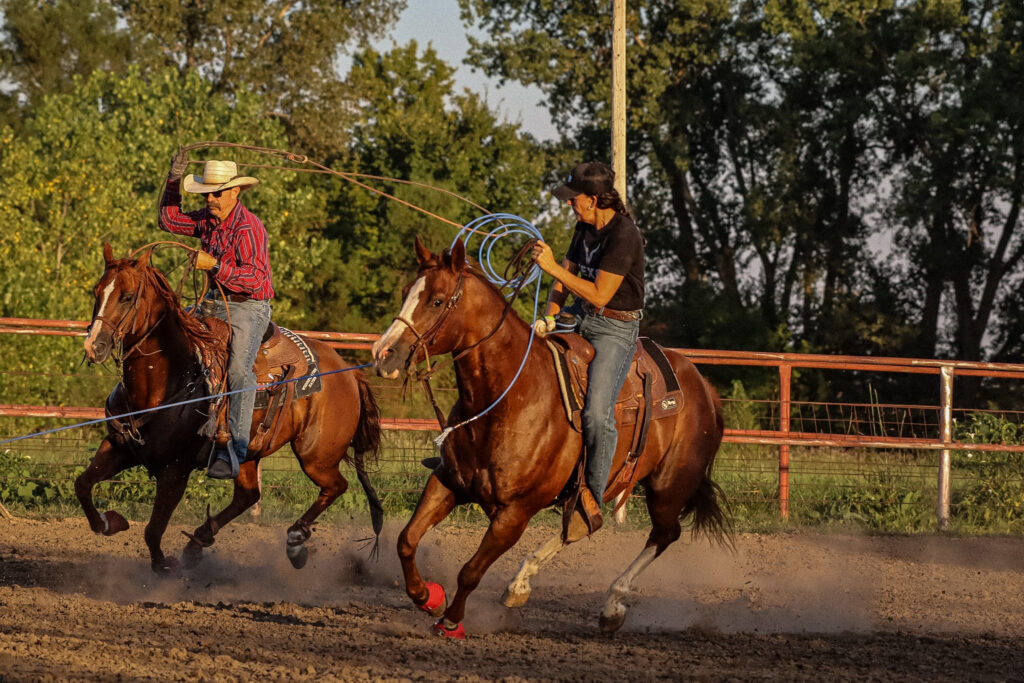
No. 1 Balance in Hooves
The first area to examine for balance in your horse is its hooves. Proper foot alignment is crucial for correct loading and movement, affecting joints up to the shoulder. An issue under the saddle is often attributed to poor fit, but foot balance is the primary factor to consider.
Key considerations for balanced hooves:
- Trim Frequency – Are the hooves overgrown?
- Is there a noticeable difference in height between hooves, impacting shoulder alignment?
- Are the frog and coronet band symmetrical?
An unbalanced foot or a past injury may not directly cause a saddle fit problem, but understanding foot balance can help interpret how the saddle interacts with your horse.
No. 2 Balance in the Horse’s Body
Foot imbalances can manifest in the horse’s body as they adjust to stay comfortable. Observing body balance can reveal how the horse compensates for foot issues, which may not immediately point to saddle fit problems.
Considerations for body balance:
- Are the shoulders symmetrical?
- Is the back muscling even?
- Do both sides of the topline feel consistent?
- Is there any noticeable asymmetry in the horse’s stance?
These body patterns can be adaptations to foot issues, highlighting the importance of assessing overall balance before saddle evaluation.
Equine anatomy fact: Sternal (True) Ribs are the first 8 pairs that connect directly to the sternum via sternocostal joints. They anchor the forelimb attachment via the serratus ventralis muscle, forming a “muscular sling” that suspends the thorax between the front legs.
No. 3 Balance in the Rider’s Body
Rider balance is crucial for saddle fit and performance. Maintaining alignment while riding ensures proper weight distribution and motion. The saddle seat shape plays a role in supporting rider balance, positioning them neutrally for optimal performance.
The saddle’s seat depth should aid in maintaining rider balance without tipping forward or backward.
Read more about riding position here.
No. 4 Balance in the Saddle
Saddle balance is achieved when pressure distribution is even under the saddle from front to back. The saddle should rest comfortably on the horse’s back, with the lowest part of the seat aligning with the horse’s center of mass. Proper saddle placement is crucial to prevent discomfort and ensure optimal performance.
Misalignment of the saddle can lead to pressure points and muscle strain, affecting the horse’s movement and comfort.
Imbalances in multiple factors can quickly lead to issues. For instance, if the horse’s feet are not properly trimmed, leading to shoulder imbalance, combined with a misaligned saddle and rider position, it can result in discomfort and performance issues.
Understanding the interplay of balance between the horse, rider, and saddle is key to ensuring optimal saddle fit and performance.
Continue reading part two of Wendy Winn’s saddle fitting series here.
Wendy Winn is an experienced clinician and equine biomechanics expert, offering valuable insights into saddle fit and performance. She has a wealth of knowledge in the equestrian industry and works closely with leading saddle manufacturers to develop innovative solutions. Explore her online community for more biomechanics resources and educational content.