Close Menu
  • DIY Projects
  • Home Decor
  • Beauty Products
  • Pets Training
  • Interior Design
  • Pets
  • Pet Care Tips
What's Hot

10 Times Raccoons Stole Hearts Online With Their Unexpectedly Sweet Antics – Bored Panda

October 23, 2026

Crue Dowers Wins Snaffle Bit Futurity Non-Pro

October 23, 2026

MERIT New Wave Review: A Warm Fall Fragrance

October 23, 2026
Facebook X (Twitter) Instagram
  • Contact
  • Privacy policy
  • Terms & Conditions
Facebook X (Twitter) Instagram Pinterest VKontakte
DoorPickerDoorPicker
  • DIY Projects
  • Home Decor
  • Beauty Products
  • Pets Training
  • Interior Design
  • Pets
  • Pet Care Tips
DoorPickerDoorPicker
Home»Pet Care Tips»Tennessee Horse Contracts Potomac Horse Fever
Pet Care Tips

Tennessee Horse Contracts Potomac Horse Fever

September 24, 2026No Comments2 Mins Read
Facebook Twitter Pinterest LinkedIn Tumblr Email
Share
Facebook Twitter LinkedIn Pinterest Email

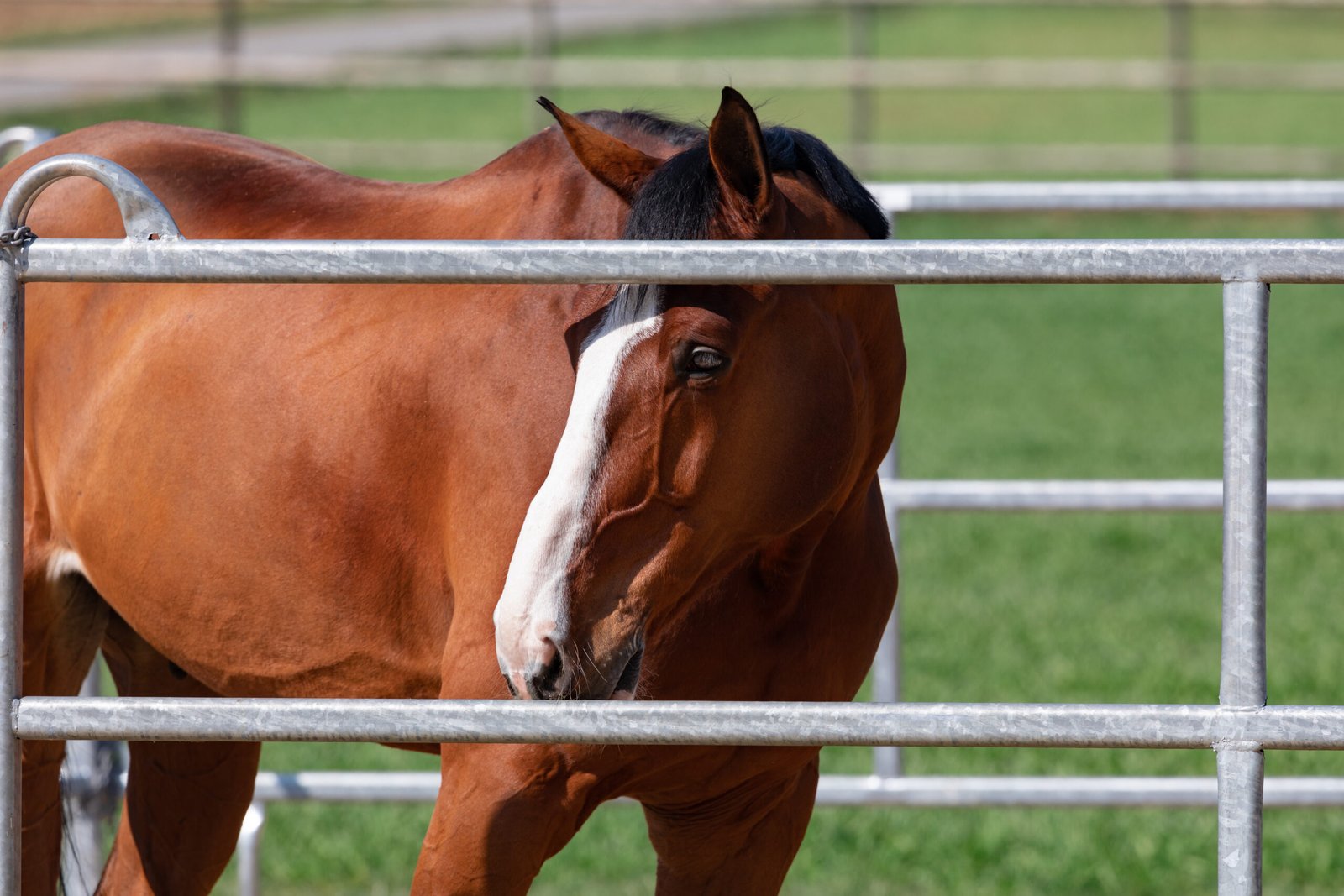
The Tennessee Department of Agriculture has identified a case of Potomac horse fever (PHF) in a horse located in Washington County. At this time, no further details have been released.

EDCC Health Watch is a marketing program from Equine Network that utilizes information provided by the Equine Disease Communication Center (EDCC) to create and distribute verified equine disease reports. The EDCC is an independent nonprofit organization that relies on industry donations to offer accessible infectious disease information.

About Potomac Horse Fever

Potomac horse fever is caused by Neorickettsia risticii, a microorganism found in parasites known as flukes (flatworms) that infect aquatic snails and insects. Horses can contract Potomac horse fever by ingesting insects carrying the organism or by consuming water contaminated with N. risticii. Moreover, horses can become infected with Potomac horse fever by accidentally ingesting contaminated insects or parasites present in their feed, water, or pasture.

The incubation period for Potomac horse fever ranges from one to three weeks, and the mortality rate can be as high as 30%. Although vaccines for Potomac horse fever are not completely effective, vaccinated horses typically exhibit fewer and less severe symptoms.

Most cases of Potomac horse fever are reported between July and September, with outbreaks occurring seasonally.

Horse owners and caregivers, particularly those with horses near bodies of water like creeks and rivers, should be vigilant for symptoms such as:

  • Diarrhea
  • Colic
  • Loss of appetite
  • Lethargy
  • Toxic shock
  • Dehydration
  • Abortion in pregnant mares
  • Laminitis
  • Mild to severe fever.
Contracts Fever Horse Potomac Tennessee
Share. Facebook Twitter Pinterest LinkedIn Tumblr Email

Related Posts

Crue Dowers Wins Snaffle Bit Futurity Non-Pro

October 23, 2026

Washington Horse Tests Positive for Equine Influenza

October 23, 2026

Equine WNV Confirmed in Washington County, Tennessee

October 22, 2026

232! Haven Meged, Justin Wright Win Big Guns in Cowtown

October 22, 2026
Add A Comment
Leave A Reply Cancel Reply

Editors Picks

10 Times Raccoons Stole Hearts Online With Their Unexpectedly Sweet Antics – Bored Panda

October 23, 2026

Crue Dowers Wins Snaffle Bit Futurity Non-Pro

October 23, 2026

MERIT New Wave Review: A Warm Fall Fragrance

October 23, 2026

Washington Horse Tests Positive for Equine Influenza

October 23, 2026
Top Post

Why This Hair Tool Is Worth All the Hype

Orlando Is BACK: Helping His Bestie Chad Transform A Spanish Bungalow Into A… Spanish Bungalow!

Alberta Horse Tests Positive for Strangles

DoorPicker
Facebook X (Twitter) Instagram Pinterest Vimeo YouTube
  • Contact
  • Privacy policy
  • Terms & Conditions
© 2026 Doorpicker.com - All rights reserved.

Type above and press Enter to search. Press Esc to cancel.