
As the weather warms up and the trails beckon, it’s time to enjoy spring!
However, instead of gearing up for long rides, you’re faced with a horse that has gained some extra weight. Despite a strict diet and plenty of exercise, those stubborn fat pockets won’t go away, and now your veterinarian has diagnosed your beloved gelding with Equine Metabolic Syndrome (EMS).
You’re not alone. EMS is more common than you think, and with the right plan and close collaboration with your veterinarian, it can be managed. Here’s what you need to know.
Don’t lose hope. EMS is a common condition characterized by insulin dysregulation, which affects the body’s ability to metabolize carbohydrates and regulate blood insulin levels correctly. This disorder has been known by various names in the past, such as hypothyroidism, pre-laminitic syndrome, peripheral Cushing’s disease, or “syndrome X.”
Insulin, a hormone secreted by the pancreas, plays a crucial role in glucose metabolism. However, in insulin resistance, fat deposits in affected horses release hormones that interfere with the body’s normal response to insulin, leading to a buildup of excess glucose in the blood. This condition, known as Equine Metabolic Syndrome in horses, is similar to type 2 diabetes in humans.
SO … WHAT EXACTLY IS EMS?
EMS is a disorder characterized by insulin dysregulation, affecting the body’s ability to metabolize carbohydrates and regulate blood insulin levels correctly.
One of the primary functions of insulin is to transfer glucose from the blood into the body’s cells to create energy. However, in insulin resistance, this process is disrupted, leading to elevated blood glucose levels and increased insulin release, overwhelming the pancreas.
In horses, EMS can result from a diet high in sugar, lack of exercise, and genetic predisposition. Typical signs include increased appetite, excessive weight, fat deposits, laminitis, fatigue, and infertility in breeding animals.
1. Breed, environment, and other factors affect a horse’s susceptibility to EMS
Several factors, including genetics, environment, and physiology, can contribute to EMS. Certain breeds like Arabians, Morgans, Paso Finos, Saddlebreds, warmbloods, donkeys, and ponies are more prone to this disorder. However, any horse that becomes obese on minimal feed can develop EMS. A diet high in nonstructural carbohydrates (NSCs) and lack of exercise are common triggers for EMS.
Signs of EMS include increased appetite, unexplained weight gain, fat deposits, laminitis, metabolic issues, fatigue, and infertility. Early detection and management are crucial for a favorable outcome.
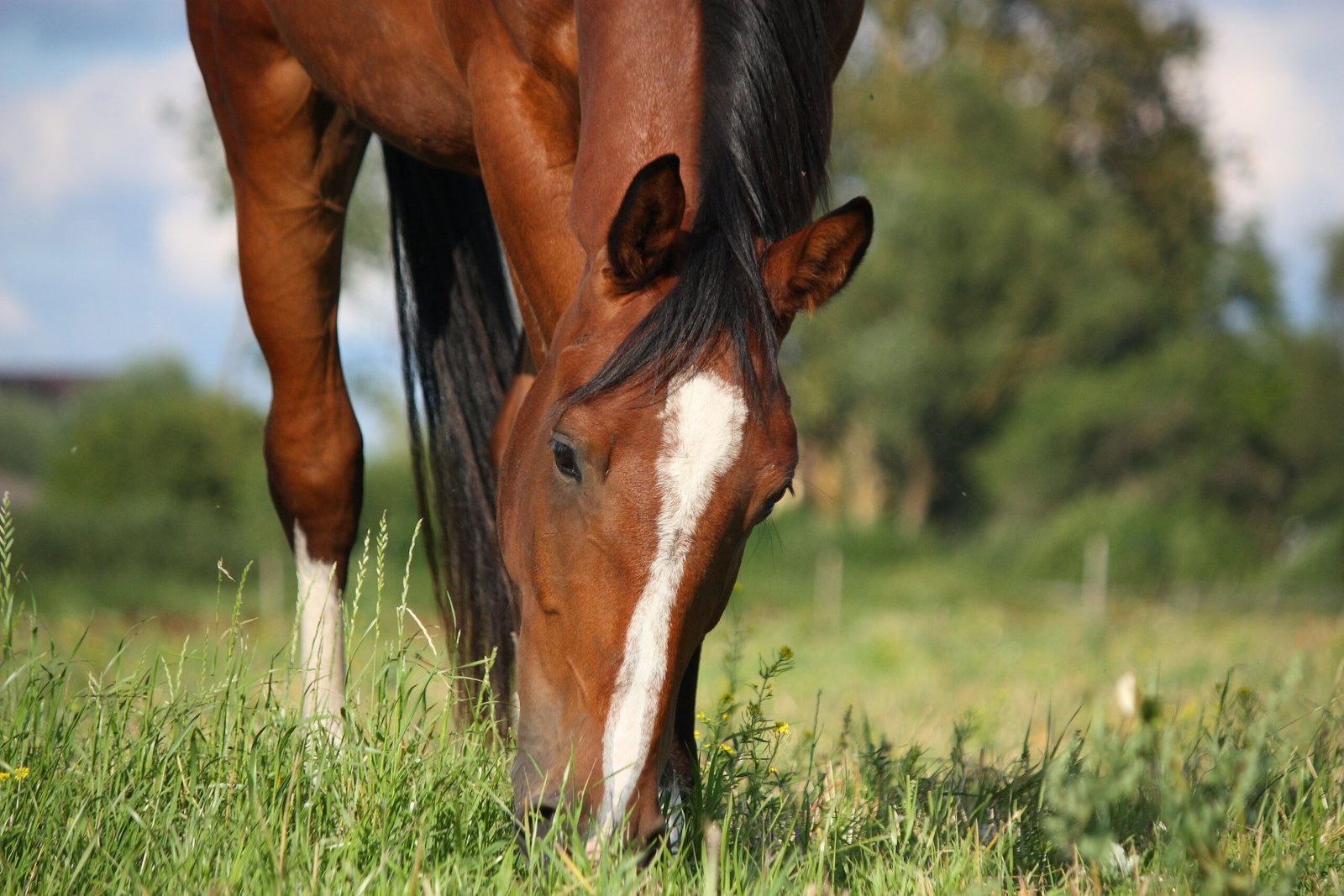
EMS can often be triggered by a diet high in sugar.
Adobestock.com

2. Prompt diagnosis is important
Early diagnosis of Equine Metabolic Syndrome is crucial for effective treatment. If your horse is overweight, has fatty deposits, or shows signs of lameness, it’s advisable to have them evaluated for EMS.
Diagnostic tests, including measuring blood insulin and glucose concentrations, can help confirm EMS. Dynamic tests like the Oral Sugar Test (OST) and insulin tolerance test (ITT) may be conducted for accurate diagnosis.
Dynamic tests
Dynamic tests that assess the body’s responses to glucose challenges can help diagnose EMS in horses with less pronounced metabolic signs. These tests involve monitoring insulin and glucose levels in response to specific stimuli.
It’s essential to differentiate EMS from Pituitary Pars Intermedia Dysfunction (PPID) in older horses, as both conditions can coexist and worsen insulin dysregulation.
3. What treatment can do
Treating EMS is vital to prevent complications like laminitis. Management changes, including dietary modifications, exercise, and, if necessary, medical therapy, can help control the disorder and promote weight loss.
Restricting carbohydrates in the diet, monitoring grazing, and considering specialized feeds or supplements designed for EMS horses can aid in managing the condition. Additional exercise and medical interventions may be recommended based on the horse’s response to initial treatments.
4. Preventive measures
Preventing Equine Metabolic Syndrome involves maintaining an ideal body condition score, feeding low-carbohydrate hay, limiting pasture access during high-sugar periods, and ensuring regular exercise for at-risk horses.
With a targeted plan developed in collaboration with your veterinarian, your horse can lead a healthy, active life despite EMS. Small adjustments in diet, exercise, and management can make a significant difference in maintaining your horse’s well-being for years to come.
To shop Equithrive click here.
BROUGHT TO YOU BY:
