
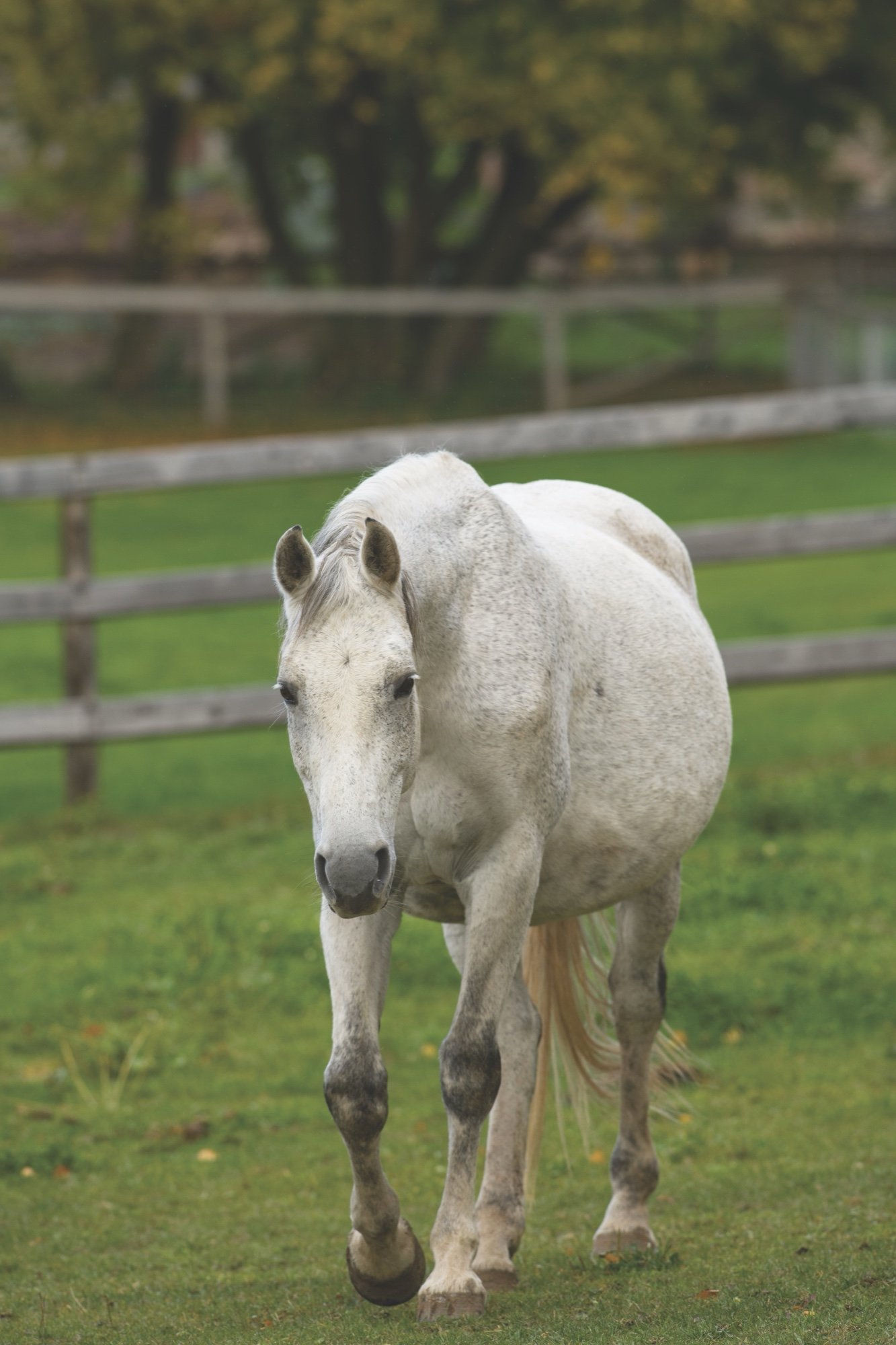
Before the cold weather sets in, it’s important to assess your horse’s body condition. Conducting a hands-on evaluation this fall will help you make necessary adjustments to your horse’s nutrition, exercise, and care to ensure he is prepared for the winter.
As winter approaches, your horse’s body condition becomes crucial in determining how well he will fare in the colder conditions. Fall is the ideal time to assess his body weight, especially if he is a senior horse, to ensure he is in optimal condition.
Whether your horse is overweight or underweight, it’s essential to start working on his diet, exercise routine, and overall care before the harsh winter weather arrives.
In this article, we will discuss the Henneke Body Scoring System, the importance of considering your horse’s age, and ways to prepare for the upcoming winter season.
Henneke Body Scoring System
Introduced by Don Henneke, PhD, in 1983, this scoring system aims to provide a standardized way of assessing a horse’s body condition, moving away from subjective terms like “skinny” or “fat.” It evaluates six key areas of the horse’s body, including the neck, withers, shoulders, ribs, loin, and tailhead.
Each of these areas is rated on a scale from 1 to 9 based on the visible or palpable fat present. The scores from these areas are averaged to determine the horse’s overall body condition score.
While a score of 5 or 6 is considered ideal, the goal is to objectively assess your horse’s condition and make appropriate adjustments. For instance, a broodmare may have a slightly higher score due to her reproductive status.
Ways to Improve the Score
As winter approaches, your aim should be to bring your horse’s score closer to a 5, or a 6 for hard keepers in cold conditions. This may involve the following strategies:
Caloric adjustments: Adjust your horse’s diet by reducing grain and increasing roughage intake as needed to achieve the desired body condition score.
Ensure proper hydration: Monitor your horse’s water intake closely, especially in colder weather. Consider adding electrolytes or flavoring to encourage increased water consumption. Prevent water sources from freezing and maintain a suitable temperature for drinking.
Promote movement: Keep your horse active through regular exercise or turnout, as movement is essential for improving body condition and circulation, especially in cold weather.
The Senior Factor
Senior horses require special attention to thrive in winter due to age-related challenges such as decreased digestive efficiency, reduced temperature regulation, and dental issues. Ensuring they are in good condition before winter sets in can make the season more manageable for them.
Managing hindgut efficiency: Work with a veterinarian or equine nutritionist to address nutrient absorption issues in senior horses and adjust their diet accordingly to maintain weight in winter.
Addressing thermoregulation: Provide adequate shelter and consider blanketing to help senior horses stay warm in cold weather, as they may struggle to maintain body temperature effectively.
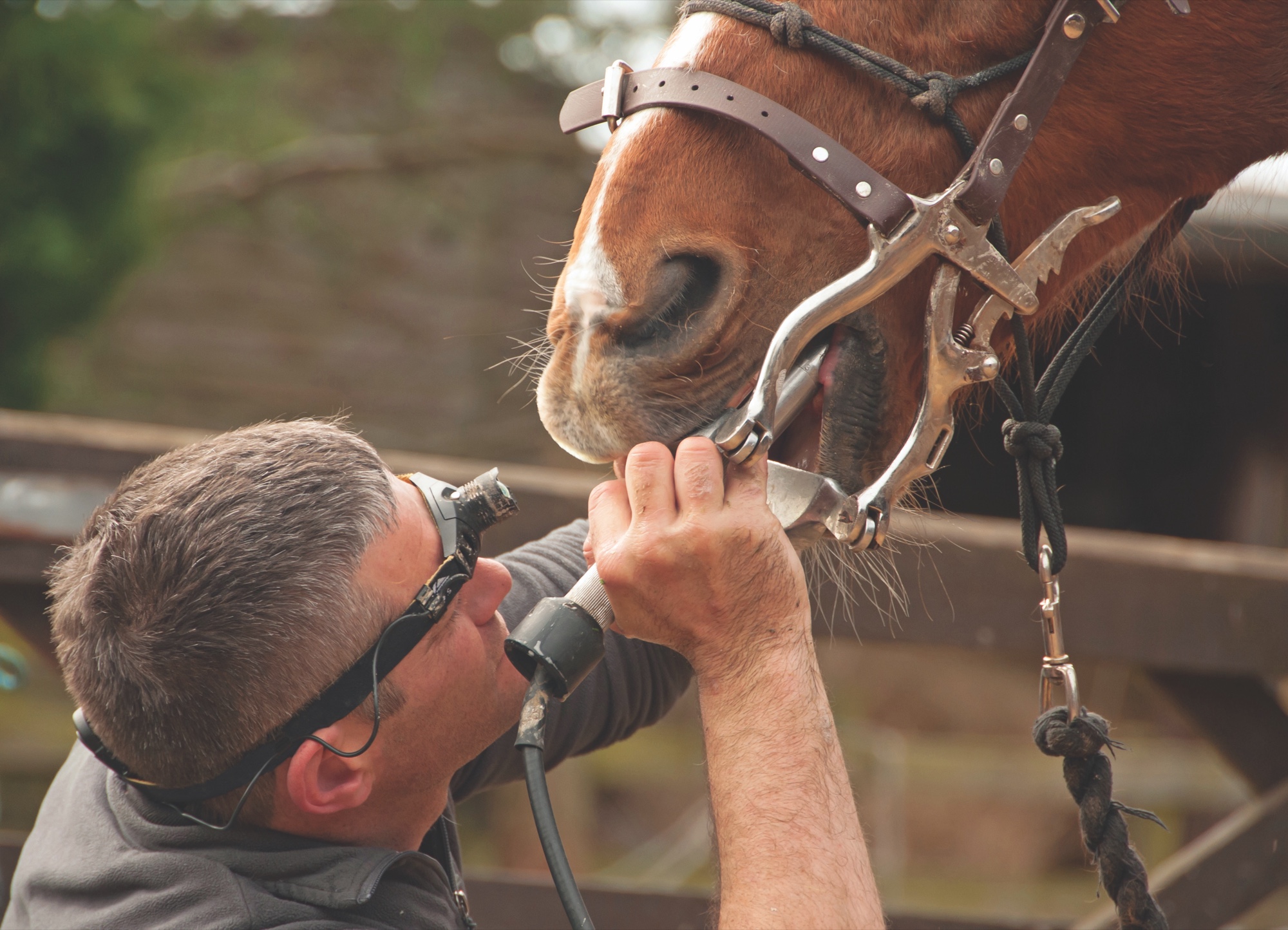
Monitoring dental health: Regularly check your senior horse’s teeth for issues that may affect chewing and overall health. Adjust their diet with softer food options if necessary to support proper chewing and nutrition intake.
Even with a developing winter coat, it’s essential to assess your senior horse’s body condition by feeling for weight changes in key areas like the withers, ribs, and hips.
General Care to Prepare
Maintaining good horse care practices throughout the year is essential to prevent unexpected issues during winter.
Regular hoof care is crucial, especially in winter when ice and snow can impact your horse’s feet. Stay on top of dental care, particularly for horses with existing dental problems, to avoid weight loss due to difficulty chewing. If you use blankets, ensure they are clean and in good condition to provide adequate protection from the cold.
By implementing these general care practices, you can minimize potential problems as winter approaches.